GarmentCare Guide
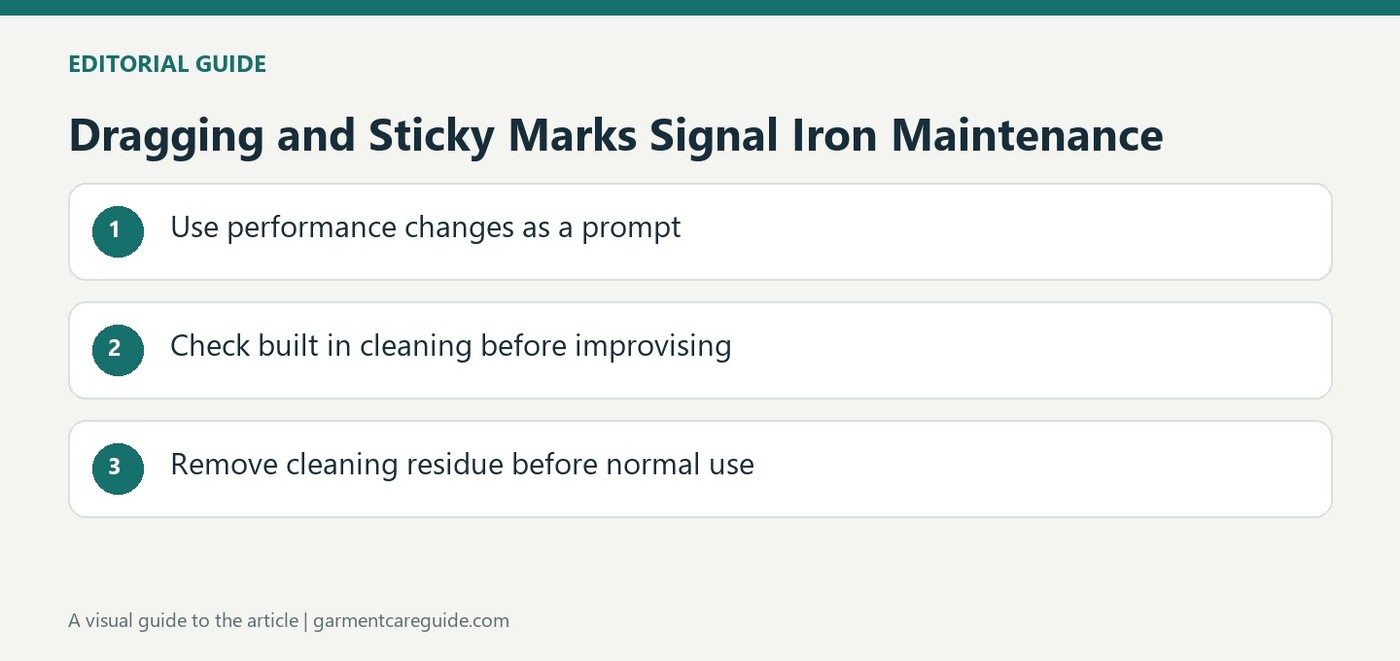
Use performance changes as a prompt
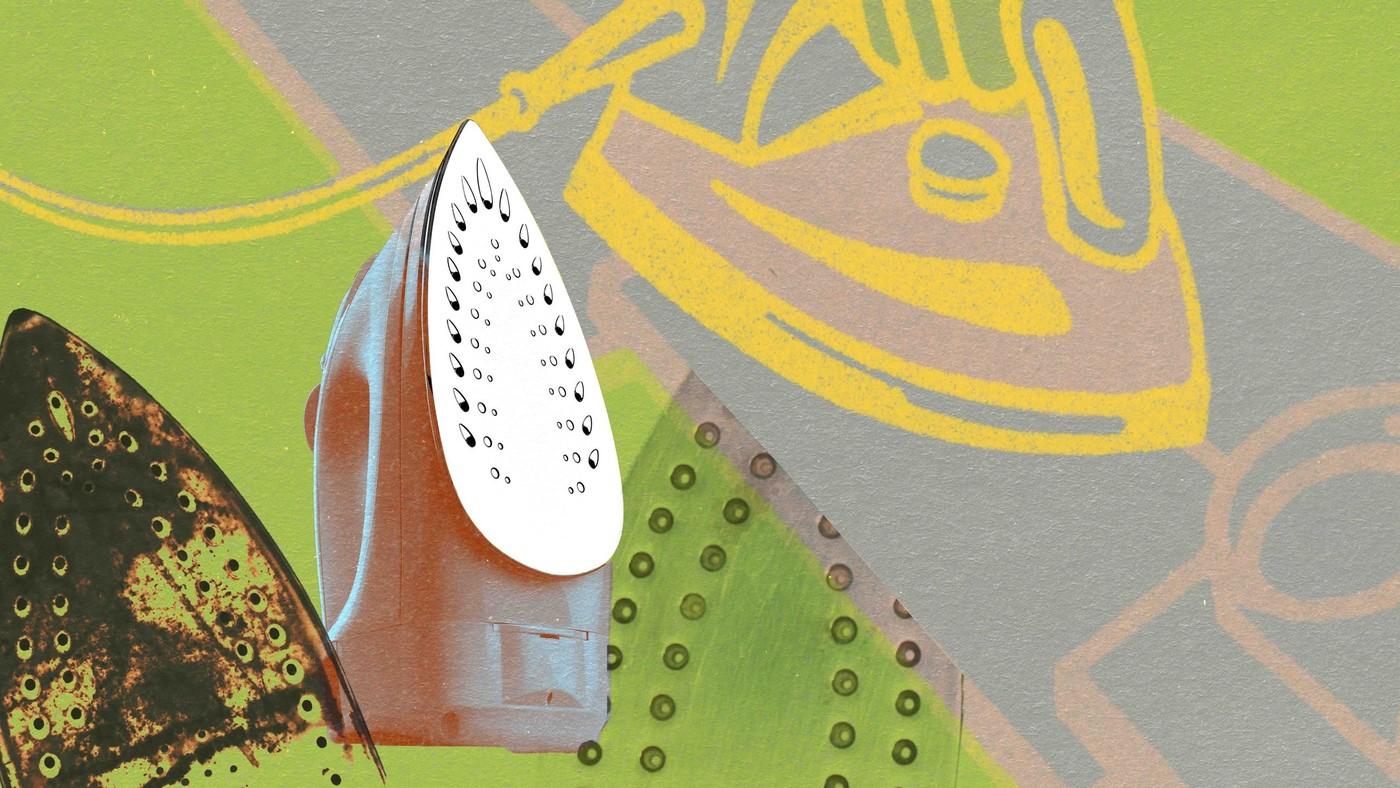
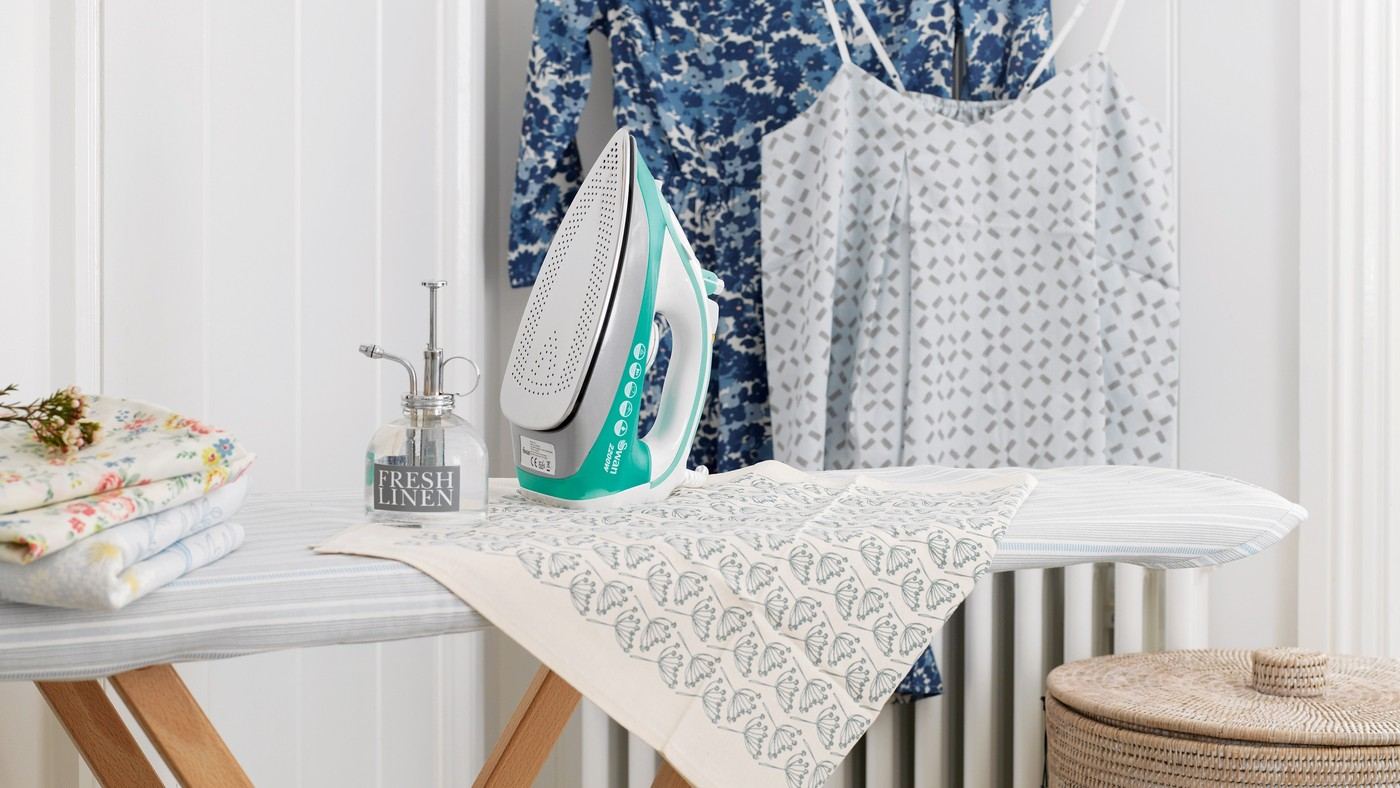
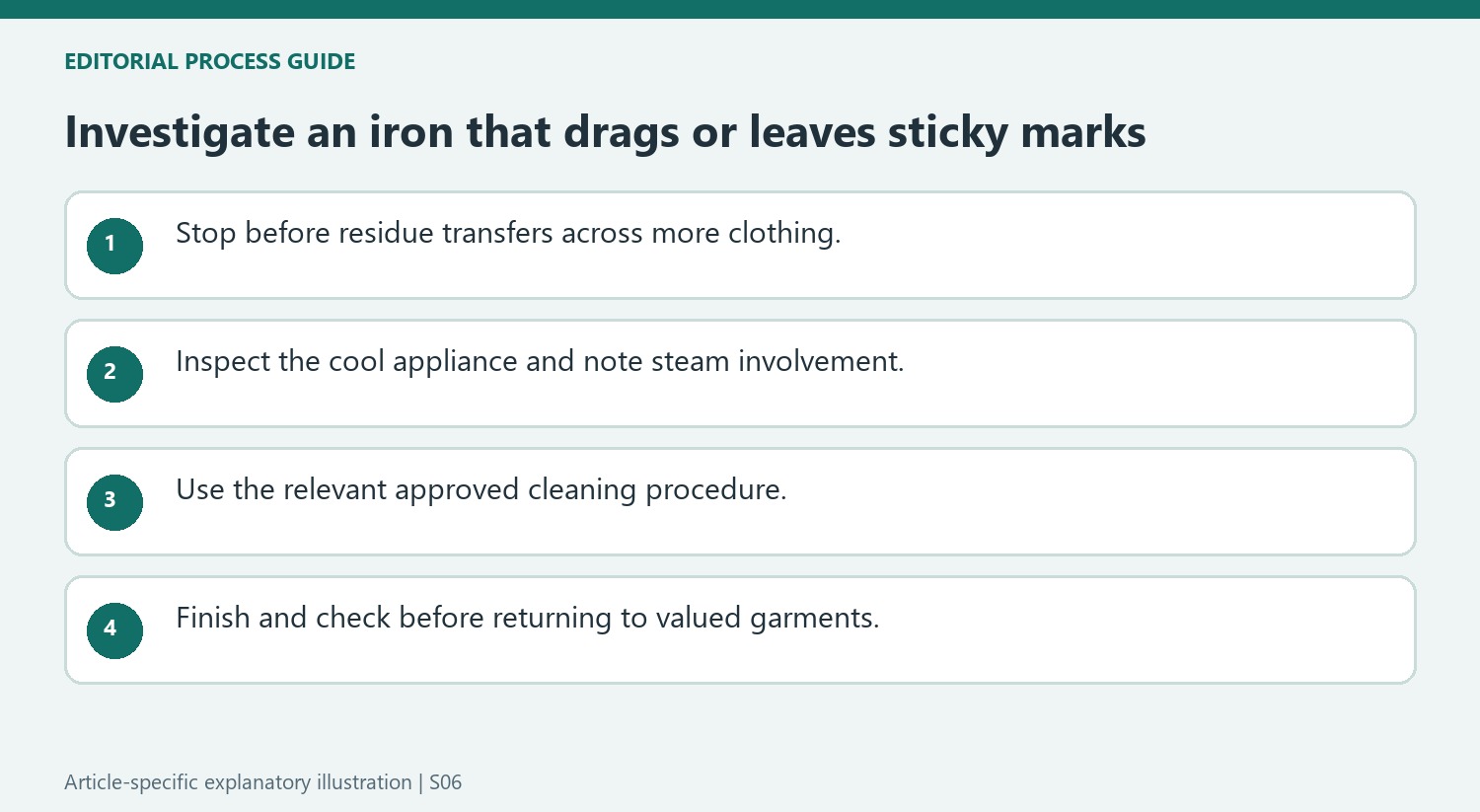
An iron that drags instead of moving smoothly can turn pressing into a struggle. Ideal Home identifies poor glide and sticky marks on freshly ironed clothing as signs that cleaning may be overdue. These clues are useful because the iron can look reasonably familiar while a thin layer of residue changes its behavior. Stop and inspect the soleplate rather than pushing harder across the garment. Continuing through the basket can transfer the same material to more clothes. Note whether the problem appears on the outside plate or with steam, since the location helps determine the next maintenance step.
Check built in cleaning before improvising
The article advises reading the user manual for model specific instructions and warnings. If a self cleaning feature is provided, check how it should be operated and what problem it is intended to address. Do not assume that its name covers every kind of external residue. For manual cleaning, disconnect and cool the iron as required, emptying the reservoir where instructed. Use a cleaner compatible with the surface and keep material from blocking steam holes. The source lists several household approaches, but that variety is not evidence that every ingredient is suitable for every coating or internal system.
Remove cleaning residue before normal use
After following the approved method, finish any required wiping, rinsing or flushing. Test operation according to the manual before returning to valued clothing, using an expendable clean cloth where appropriate. If the iron still drags, stains or releases dirty water, seek further guidance instead of repeatedly changing cleaning mixtures. Surface damage and internal faults need a different response from routine buildup. Keeping an occasional inspection in the laundry routine can make maintenance less disruptive. The objective is consistent clean glide and steam performance, not a polished looking plate achieved through treatment that the manufacturer does not permit.
Use changed glide as evidence worth investigating
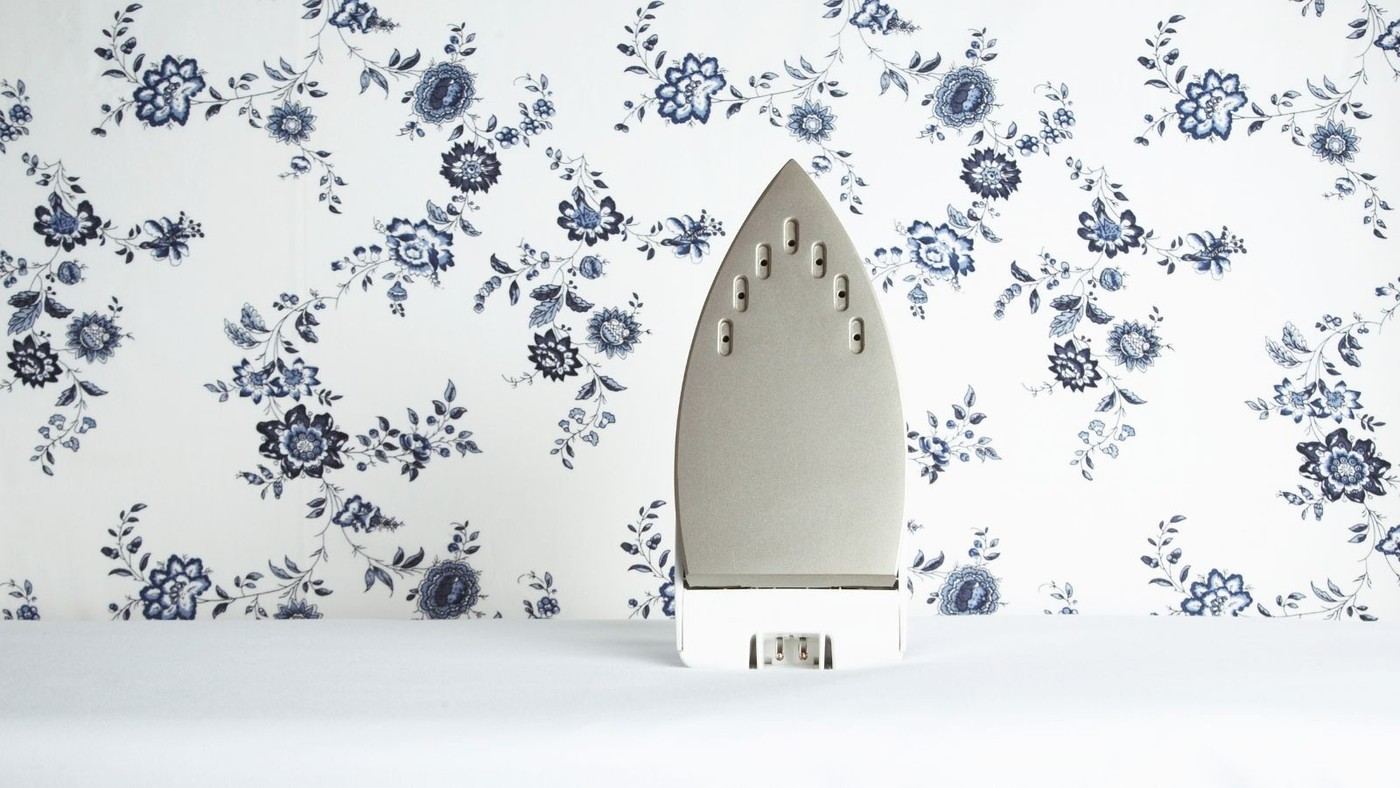
Dragging and fresh sticky marks are the source's practical signs that an iron needs attention. They are more useful than waiting for the whole soleplate to look obviously dirty. Stop and observe which part of the session produces the symptom, including whether steam is involved or whether the plate catches during an otherwise dry pass. Pressing harder can spread residue or put another garment at risk without identifying the cause. Inspect the cool, disconnected appliance under the conditions its manual requires. A thin deposit, an obstructed steam opening, and physical damage are not interchangeable findings. Describing the visible condition before cleaning gives a clearer basis for selecting an approved method and judging whether that method actually changed the problem.
Check what the self-cleaning feature is intended to do
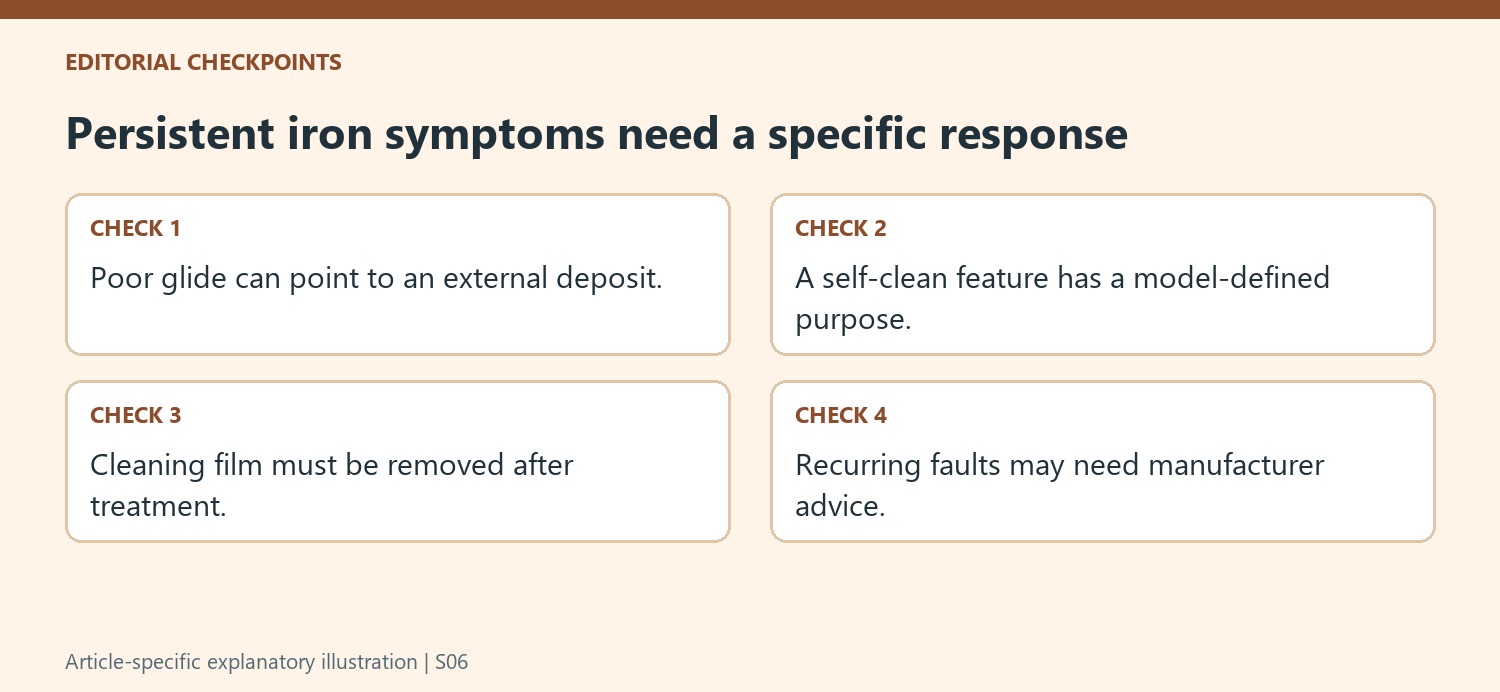
A self-cleaning label can sound comprehensive, but the model's instructions explain the actual function. It may address a part of the water or steam system without removing every external sticky patch. Find the preparation, operating, cooling, and finishing steps and complete them as a sequence. If manual surface cleaning is also needed, choose the product and materials accepted for the soleplate coating. The source lists household options, yet the same source directs readers to the user manual for warnings. Keep those two pieces of advice together. A familiar ingredient is not automatically compatible with every iron, and something used outside the appliance should not be poured into its reservoir without separate approval.
Inspect the result instead of moving straight through the basket
After an approved cleaning, follow the required wiping, flushing, and checking procedure before valuable clothing is pressed. Remaining cleaning film can become another transfer problem, so visible improvement alone is not the end of the task. Compare the original symptom with the result: has the plate stopped dragging, are marks still appearing, or does dirty water remain? If the problem persists, pause and ask for manufacturer guidance rather than successively trying stronger mixtures. Include what was used and when the symptom occurs. This makes the next decision more informative and avoids treating every persistent fault as ordinary dirt. A periodic inspection can catch new deposits early, but it should sit alongside appropriate operating temperature and storage habits rather than replace them.