GarmentCare Guide
Inspect the pressing surface while it is cool
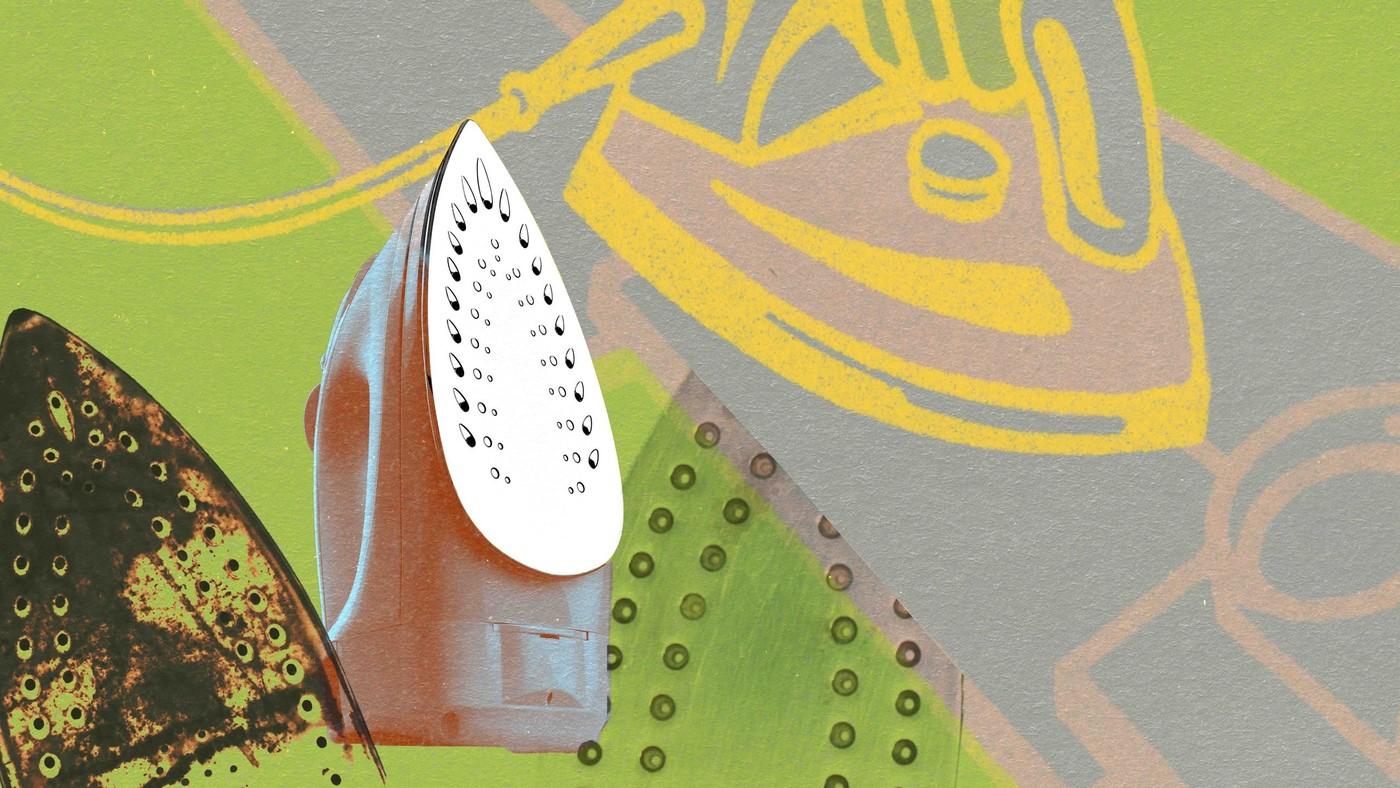
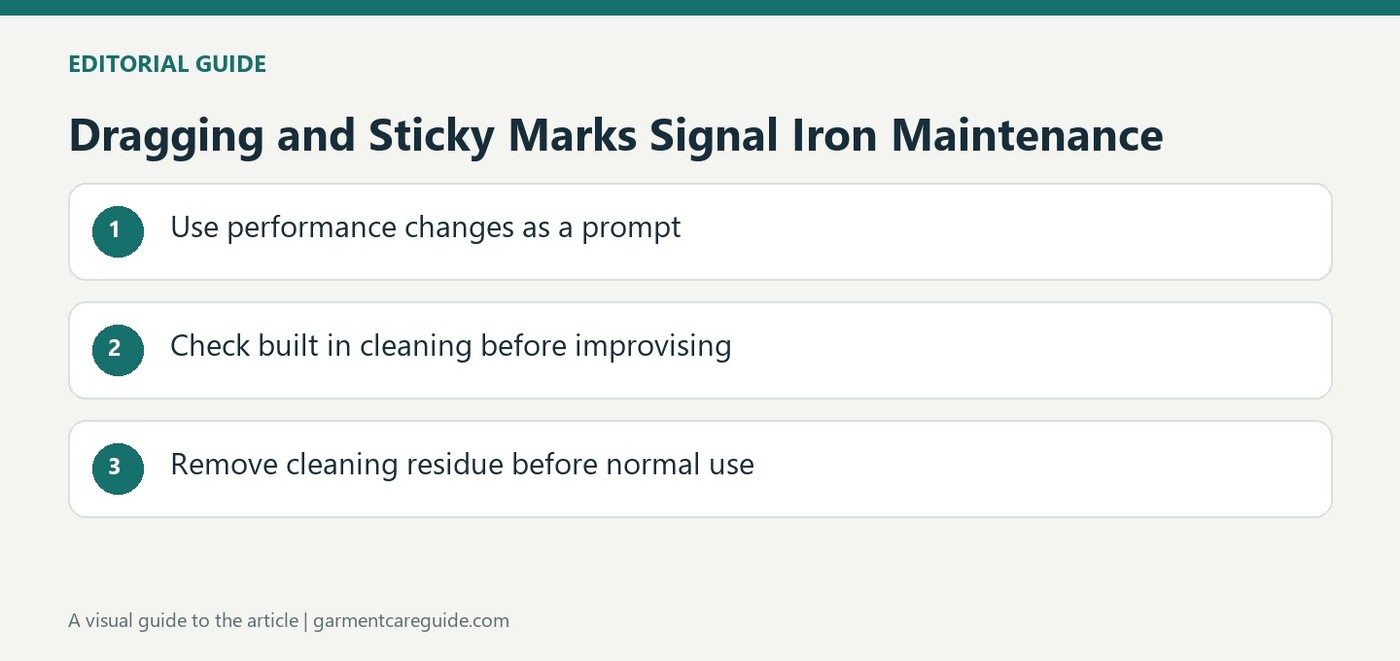
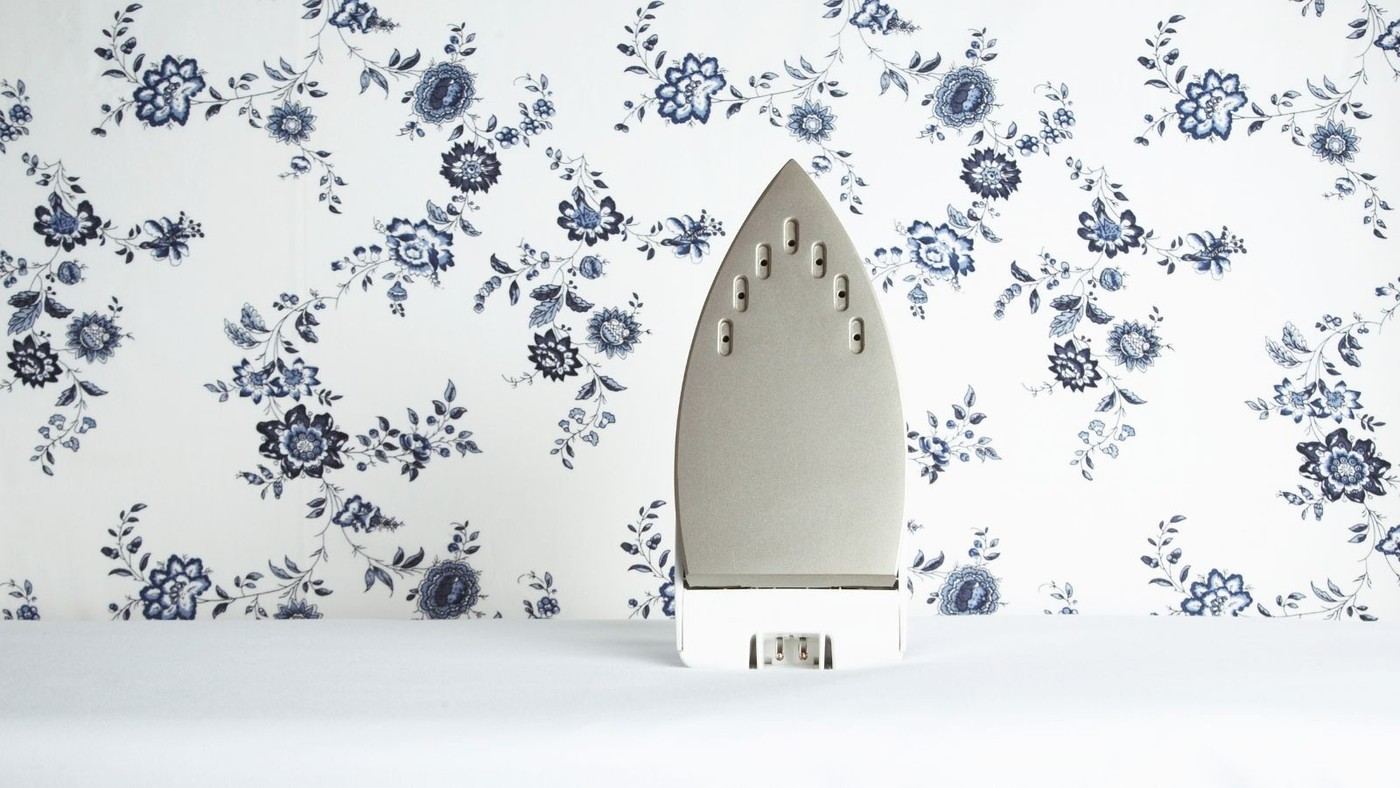
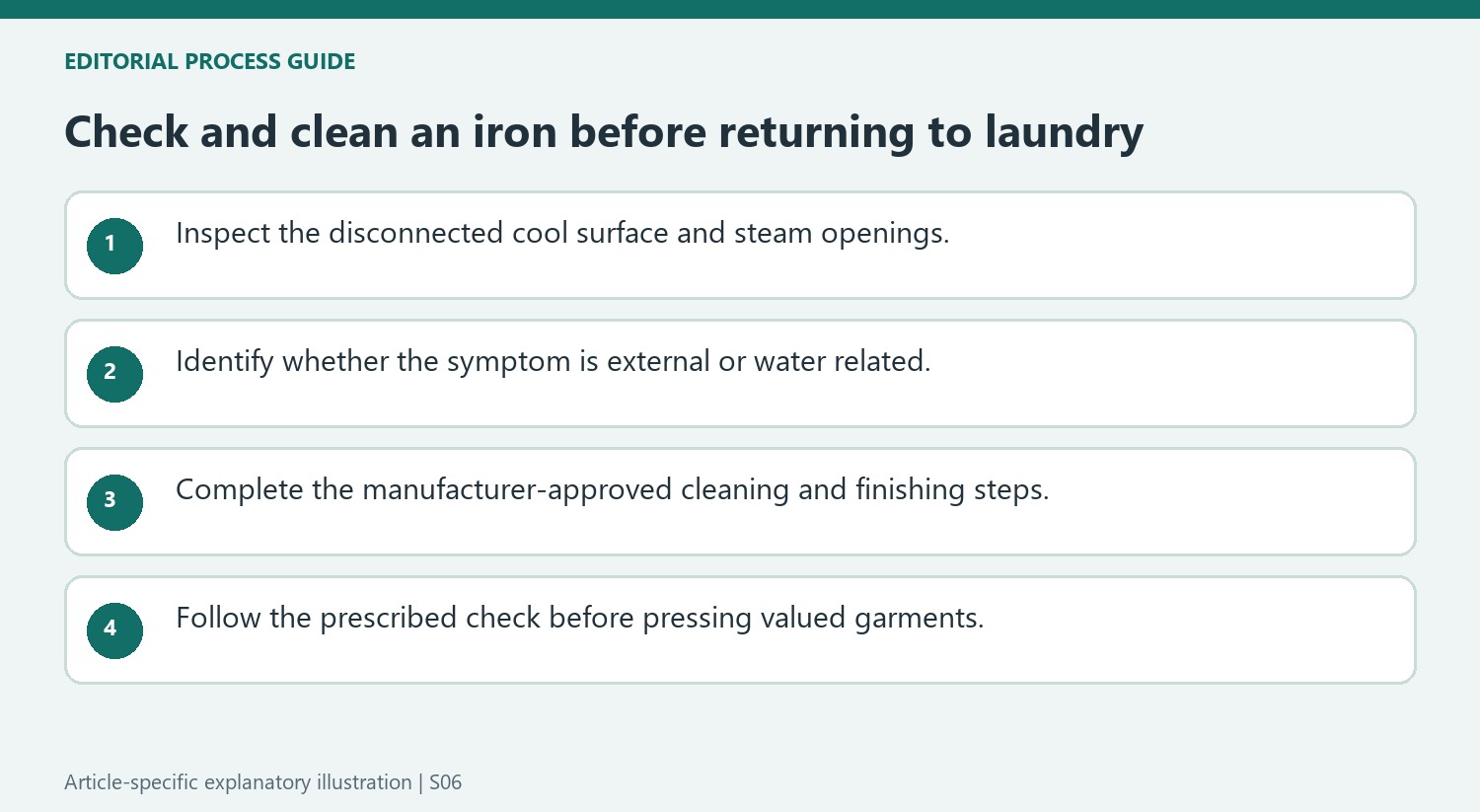
Real Homes highlights a dirty soleplate as an easily overlooked cause of marks on otherwise clean laundry. A sticky patch can interrupt the iron's glide, while dark residue may transfer onto fabric. Start inspection with the iron disconnected and fully cool. Identify whether the issue is material on the outer plate, deposits around steam openings or a problem associated with water coming from inside. That distinction matters because wiping the surface will not necessarily clear internal buildup. Avoid testing a visibly dirty iron on a favorite shirt simply to see whether the residue still transfers.
Choose a compatible cleaning approach
The source presents several household cleaning ideas, but an iron's surface coating and maintenance system determine what is suitable. Use the manufacturer's directions to select a cleaner and method, including any restrictions on abrasives or reservoir additives. A product useful for one household appliance may be unsuitable for an iron. Take care around the steam openings, where leftover cleaning material can dry and obstruct flow. Wipe away residue as instructed rather than treating a visually improved surface as proof that the process is complete. If the soleplate is scratched or damaged, stronger rubbing will not restore its original coating.
Check performance before returning to normal laundry
Once cleaning and any required rinsing or flushing are finished, follow the instructions for a test on an expendable clean cloth. This can reveal remaining material before valuable clothing is exposed. Keep the water type and tank handling consistent with the model's guidance, especially in areas where mineral buildup is common. Regular inspection is easier than waiting for a dirty plate to leave a series of marks. If staining or dragging continues despite appropriate cleaning, seek service advice. The practical goal is smooth, clean operation rather than trying every cleaning ingredient listed in a general guide.
Locate the problem before choosing a cleaner
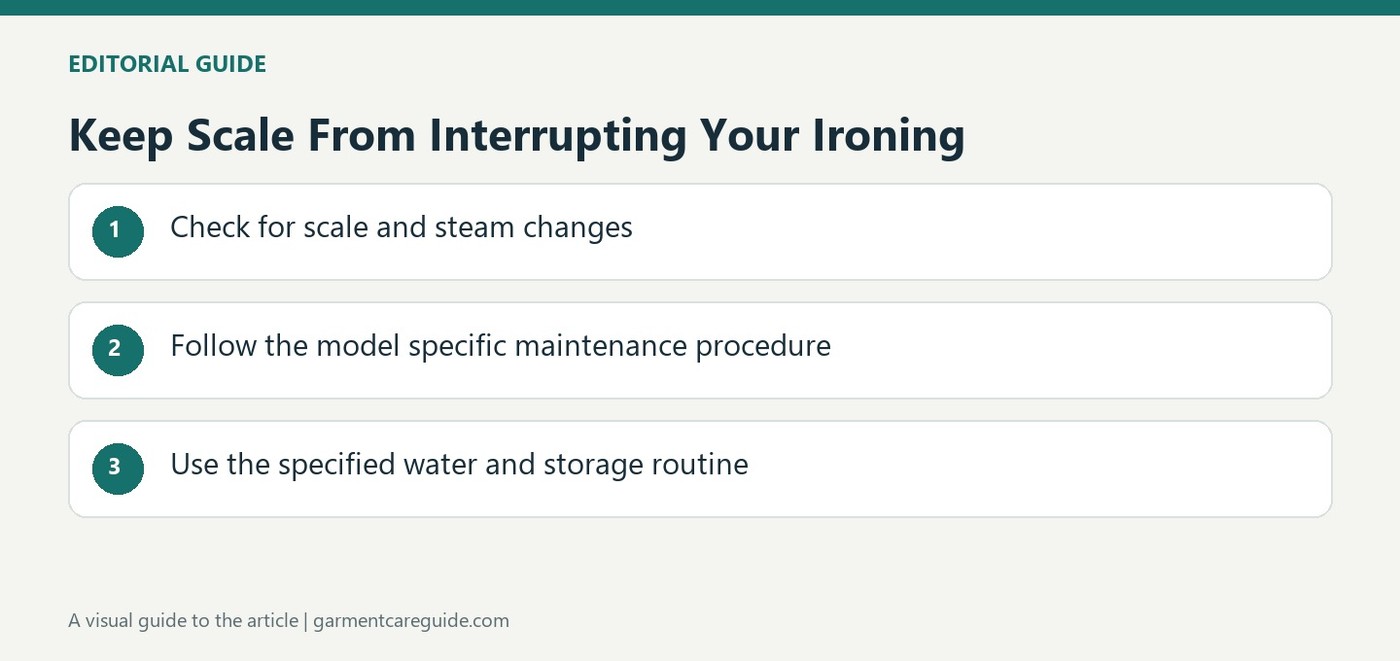
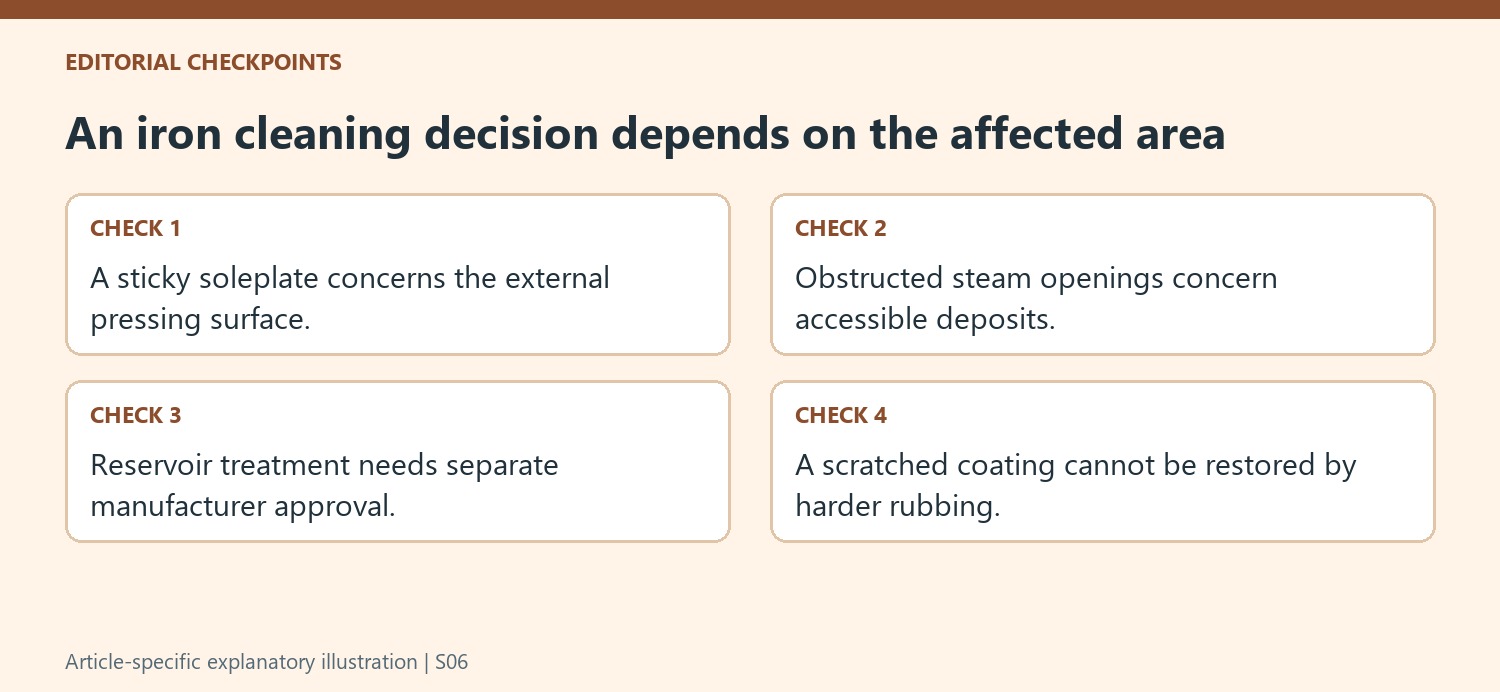
The source distinguishes a stained or sticky base from steam openings that have become obstructed. Begin by identifying where the evidence appears on the cooled appliance. An outer deposit that catches the cloth is not the same observation as discolored water emerging from inside. This matters because an appropriate wipe of the soleplate may leave a reservoir or internal maintenance issue untouched. Avoid treating every mark as a reason to apply a stronger surface product. Note whether the appliance drags, leaves a dry transfer, or produces material with steam, then consult the relevant manufacturer instructions. A clear description is also useful if the issue persists and you need advice about a possible fault rather than another cleaning attempt.
Do not confuse familiar ingredients with compatible methods
The source lists many household approaches, including abrasive materials, mixtures, and treatments carried out on a heated plate. Their familiarity does not establish that they suit every coating or appliance design. Check what the manufacturer permits before choosing among them, and follow the required temperature and power condition for that approved procedure. In particular, cleaning the soleplate and adding a liquid to the reservoir are separate decisions. A cleaner accepted for the outer surface is not automatically safe inside the water system. Keep debris and remaining product from being left around steam openings, and finish the removal process as directed. If the plate itself is scratched or peeling, extra abrasion can compound the problem instead of restoring the original surface.
Make the return to use a deliberate final step
A cleaner-looking plate is useful evidence, but the cleaning sequence is not complete until its prescribed finishing and checking steps have been performed. The source describes using expendable fabric to reveal leftover material before normal laundry is pressed. Follow the appliance's specific test directions and inspect the result rather than moving directly to a valued shirt. Continue with the correct water and storage routine so the next use does not begin under unknown conditions. Maintenance frequency should reflect the manual and actual use instead of a universal calendar promise. If marks recur after an approved cleaning, stop and seek further guidance. Recording the cleaner used and the remaining symptom can make that conversation more useful than repeatedly switching between household ingredients.