GarmentCare Guide
Look for more than a dull exterior
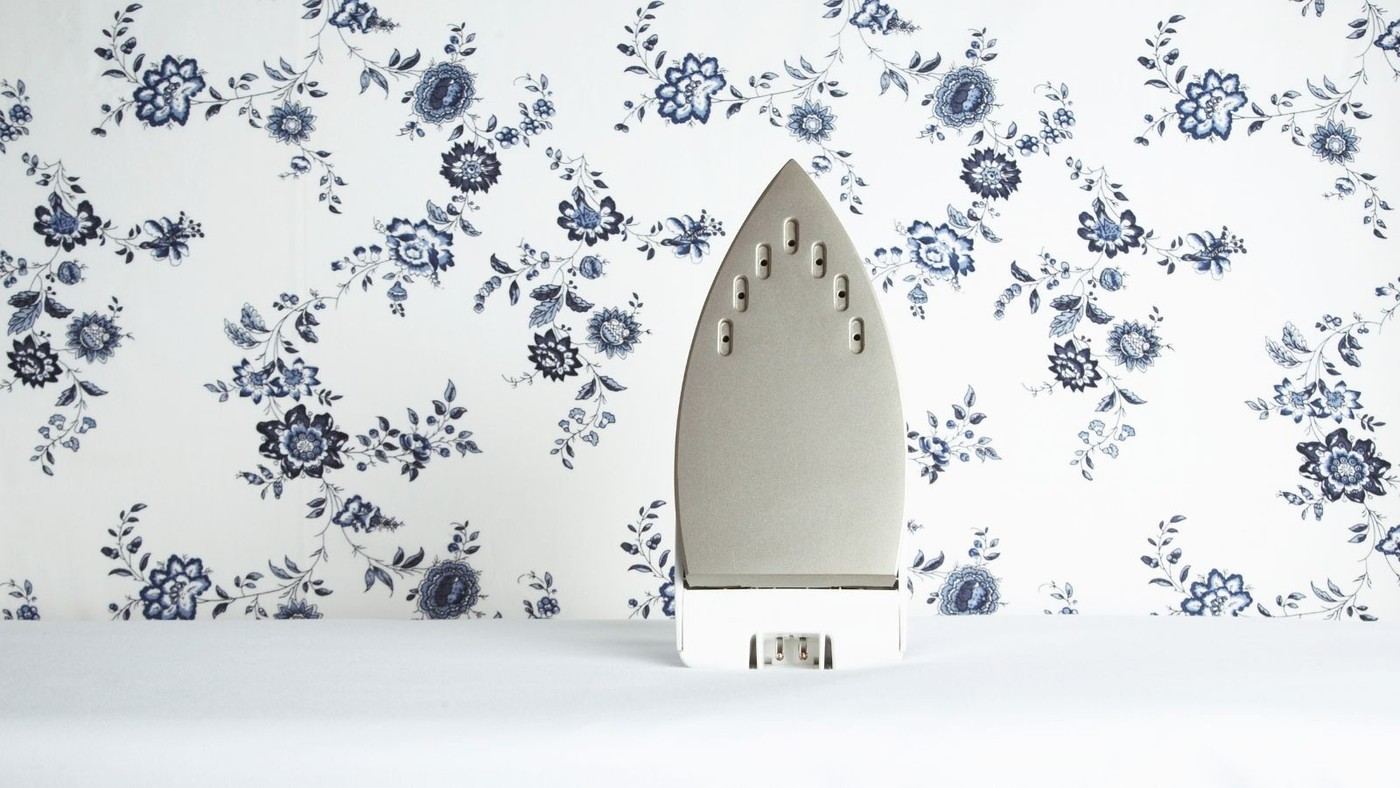
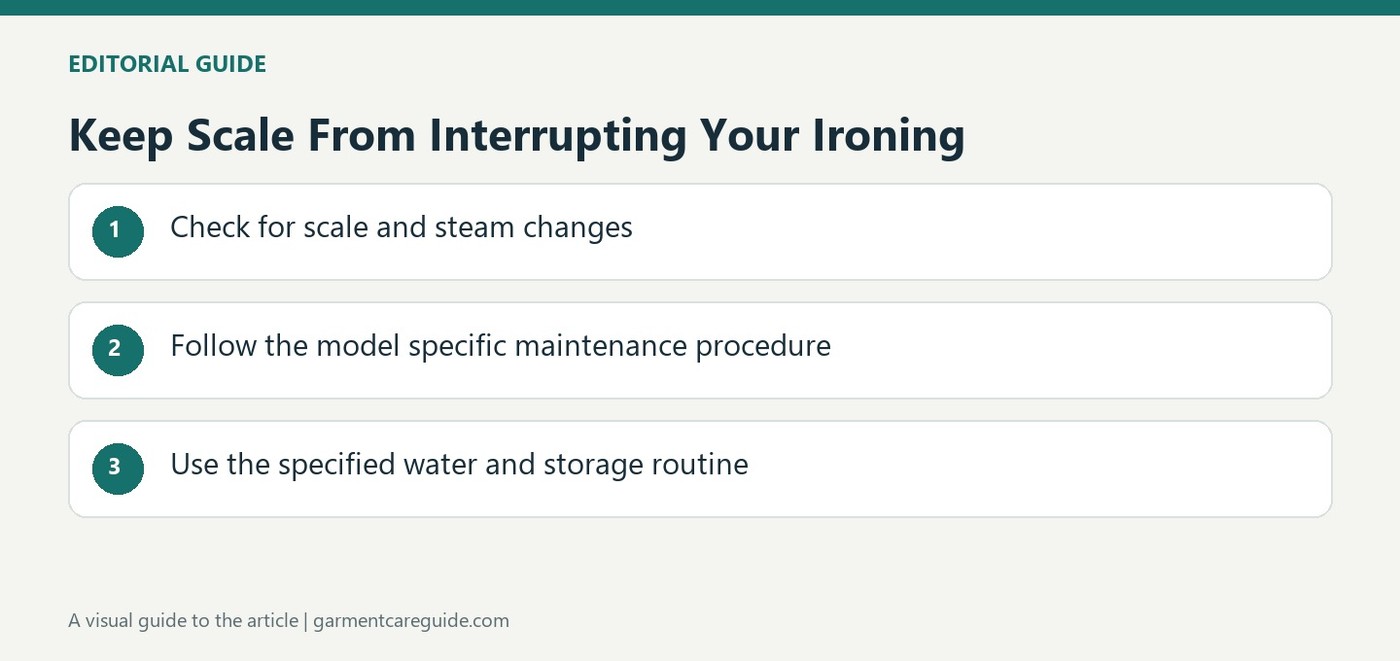
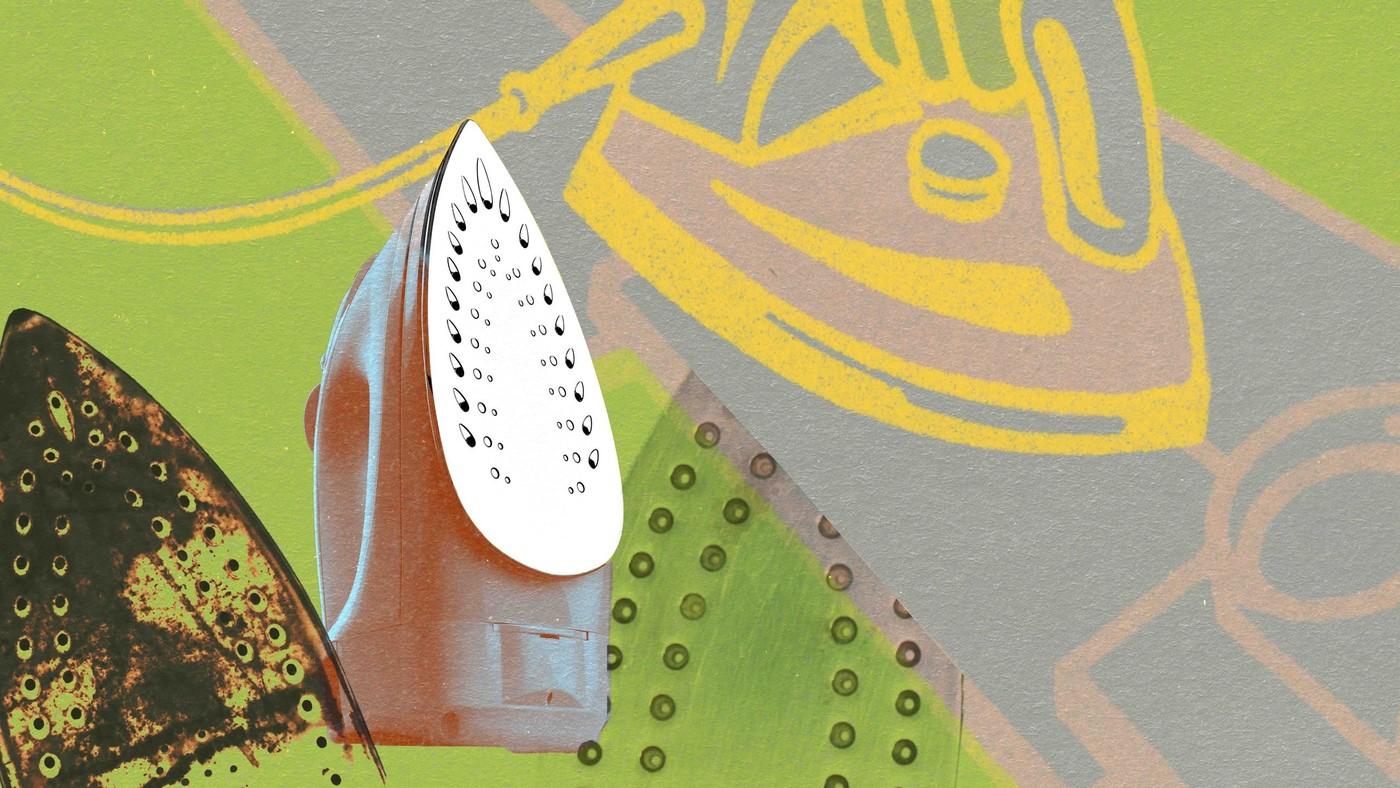
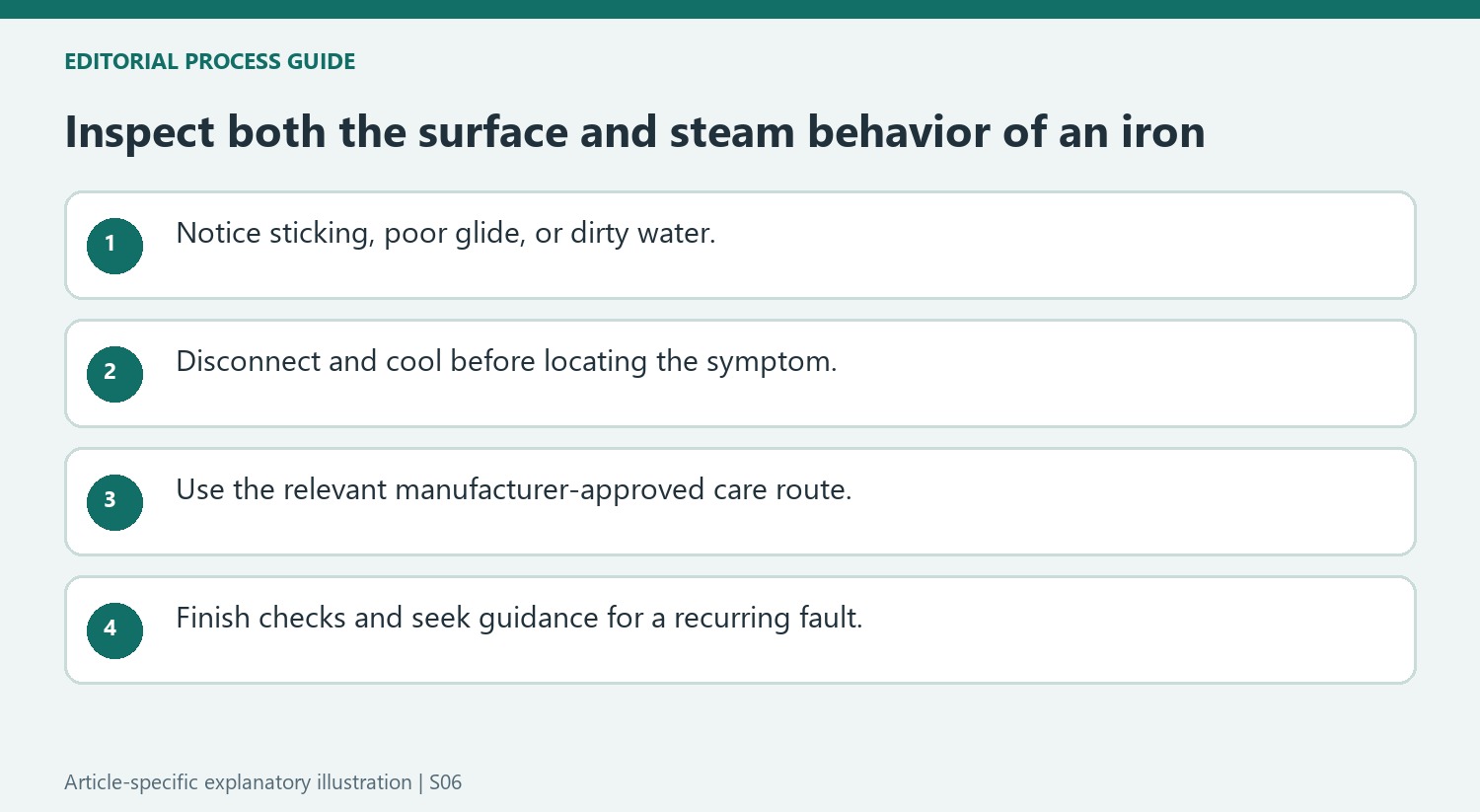
Architectural Digest describes poor glide, sticking and dirty water as signs that iron maintenance may be needed. A marked soleplate is an obvious clue, but trouble can also arise in the water system. Inspect the appliance while disconnected and cool, then consult its manual to distinguish surface cleaning from internal maintenance. The source's experts discuss both tasks because treating one does not necessarily resolve the other. An iron that looks shinier may still release deposits, while a functioning steam system does not prevent an external sticky patch from transferring onto cloth during the next pressing session.
Avoid turning inspection into surface damage
The article cautions against using hard objects such as a paper clip to scrape into difficult areas. Scratches can create a new problem on a plate that needs to move smoothly over fabric. Use tools and cleaners approved for the particular surface instead, with a soft cloth where directed. Some general cleaning recipes include household ingredients, but model compatibility needs checking before any reservoir treatment or abrasive application. Follow all required cooling and flushing stages. The correct level of care is determined by the appliance's design rather than the apparent strength of a cleaner or how quickly it removes a visible mark.
Store the iron with the next use in mind
The source recommends emptying the water container when the iron is being stored, alongside regular cleaning and inspection. Follow the specific manufacturer's storage procedure, allowing the appliance to cool before putting it away. A brief check after use makes it easier to notice changes before important clothing is pressed. If compatible cleaning leaves persistent staining, snagging or erratic steam, obtain further advice rather than escalating through harsher products. An orderly maintenance routine supports the iron's intended performance and protects the finish of garments that depend on it. It is easier to prevent residue transfer than to remove it from a newly pressed outfit.
Describe the behavior before treating the appliance
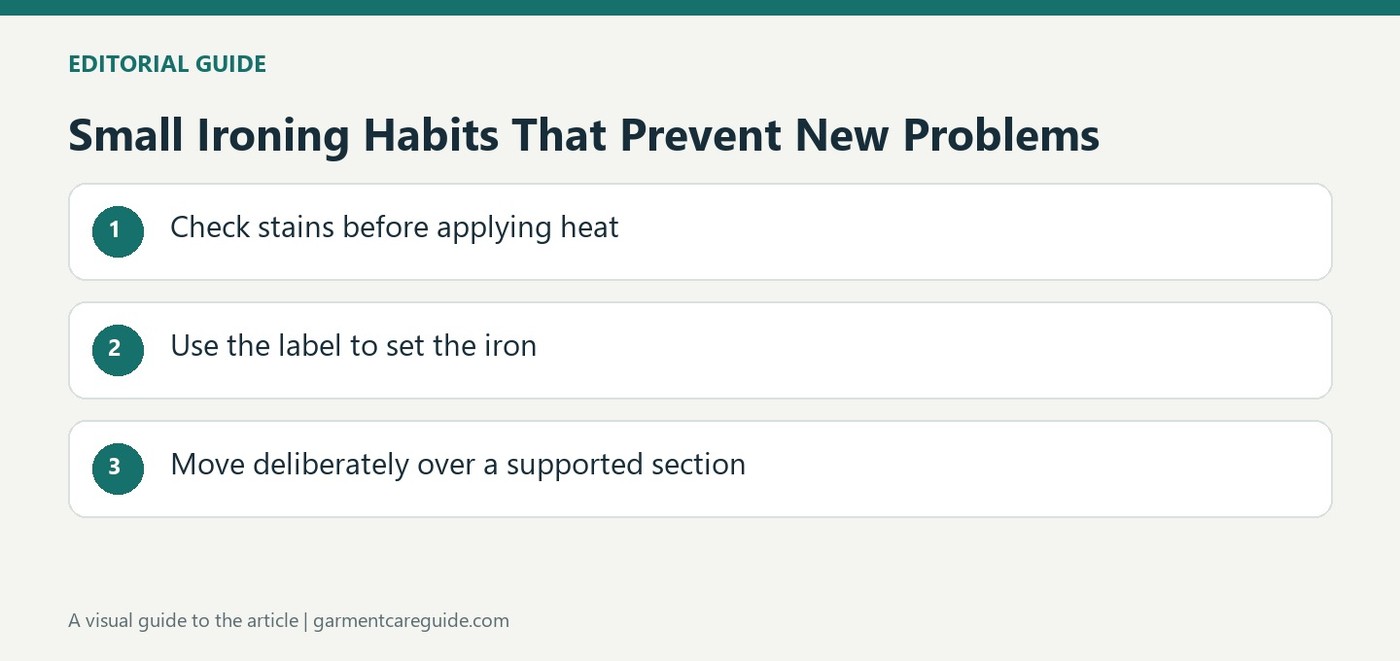
Architectural Digest lists sticking, poor glide, and dirty water among signs of an iron needing attention. Those observations point to different parts of the appliance, so note the behavior before selecting a cleaner. Material transferred from the soleplate during a pass is not identical to debris arriving through steam openings. Begin with a cool, disconnected inspection and the model's instructions for the affected area. A smoother-looking plate does not prove an internal issue has been resolved, just as normal steam does not rule out an external sticky deposit. Separating the observations helps make maintenance more precise and provides useful information if a service inquiry becomes necessary after the approved routine fails to restore normal operation.
Use compatible tools without escalating the force
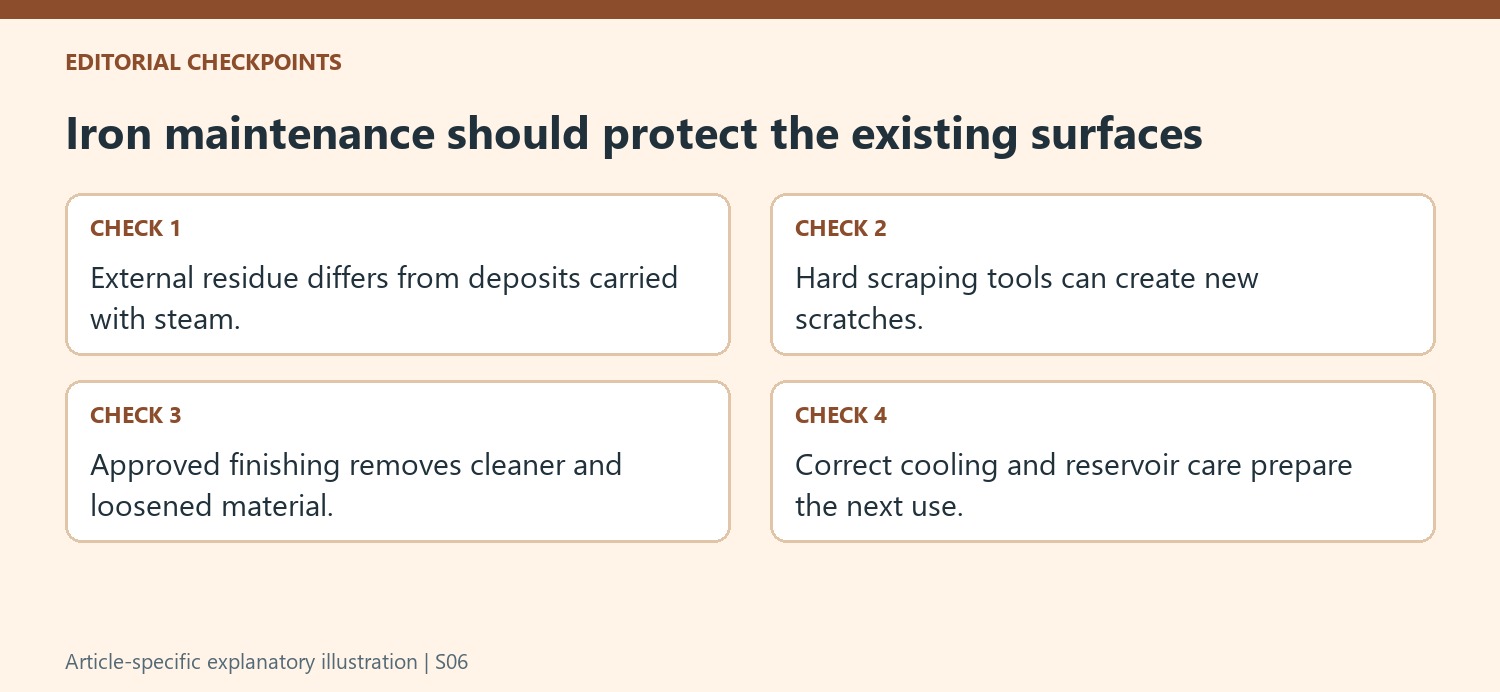
The source specifically cautions against reaching for hard items such as a paper clip to scrape deposits from awkward spaces. A scratch can turn cleaning into another source of snagging or marking. Use the materials and process approved for the actual coating and accessible openings, including any specified soft cloth or brush. Household ingredient lists are not a reason to ignore model restrictions, especially inside a reservoir. Follow the complete finishing procedure so loosened material and cleaning product do not remain on the pressing surface. If the coating has physically changed, harder rubbing cannot return it to its original condition. Ask for appropriate guidance rather than assuming persistence with a stronger tool will eventually produce a safe, smooth result.
Link storage care with the next pressing session
The article recommends emptying the water container when the iron is put away. Follow the manufacturer's timing and method, together with cooling and storage-position directions, so the next session starts from a known condition. Include a visual check of the soleplate after use when it can be handled as directed. This helps identify a change before the appliance meets important clothing, rather than discovering the problem through a new stain. Use frequency and the model guidance should determine maintenance attention; a general monthly suggestion cannot describe every household equally. If correct care still leaves erratic steam or repeated transfers, record the symptoms and cleaning history. That evidence is more useful than repeatedly cycling through unrelated household recipes.
References
- How to Clean an Iron: Expert Tips for Inside, Outside, and Bottom of Your Machine | Architectural Digest. Architectural Digest; Kristi Kellogg.