GarmentCare Guide
Understand the basic design difference
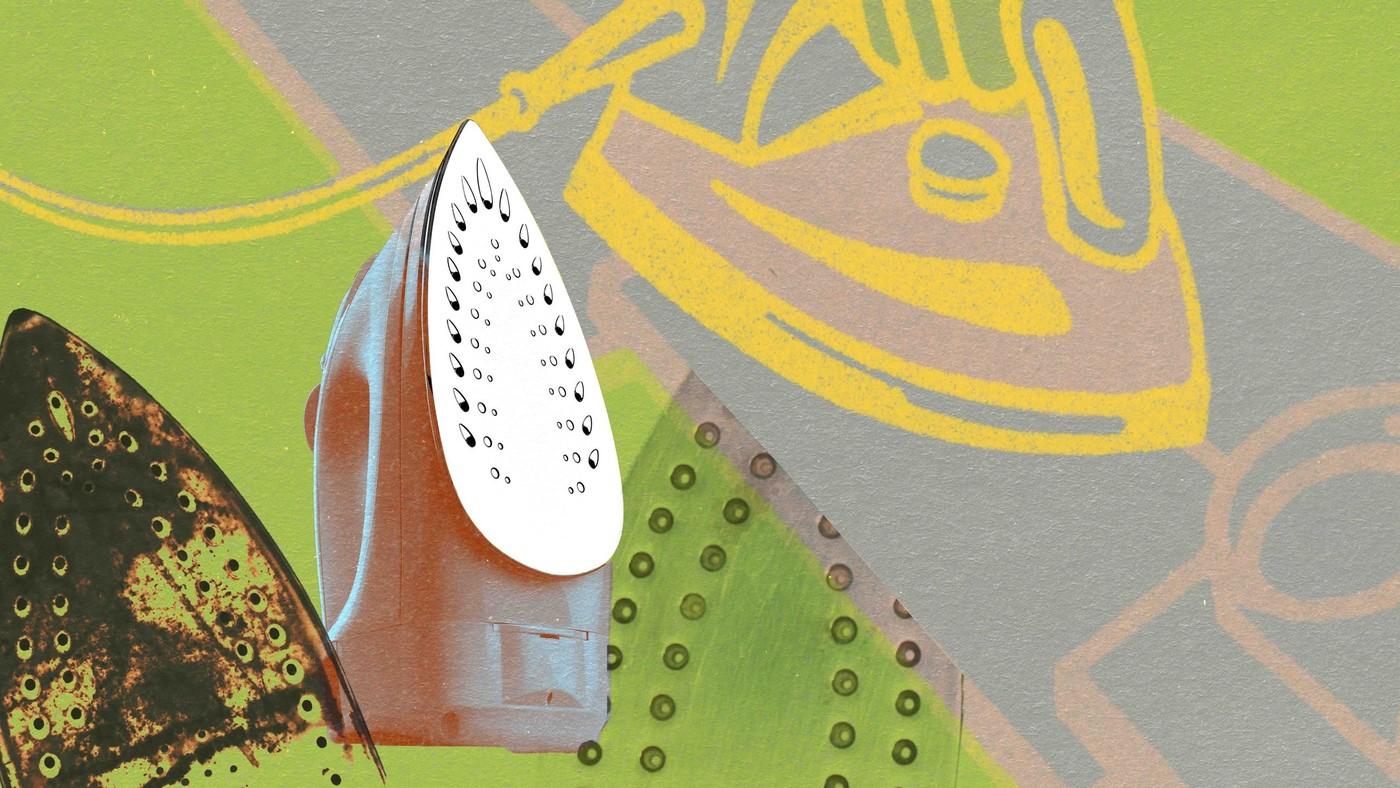
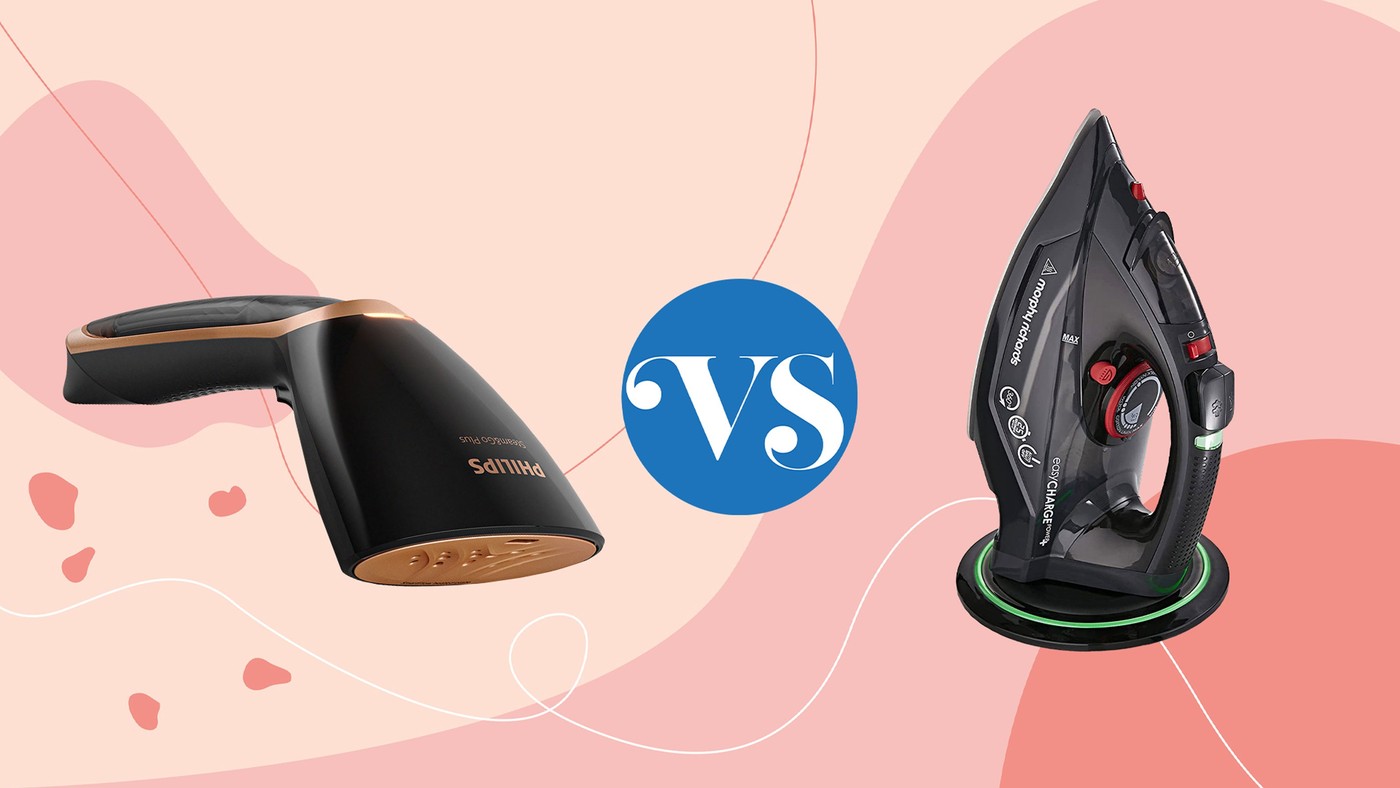
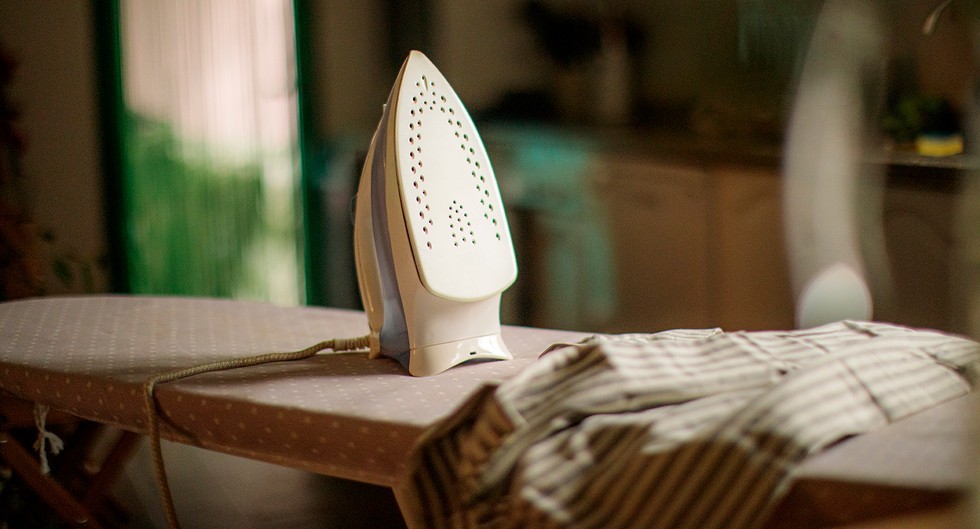
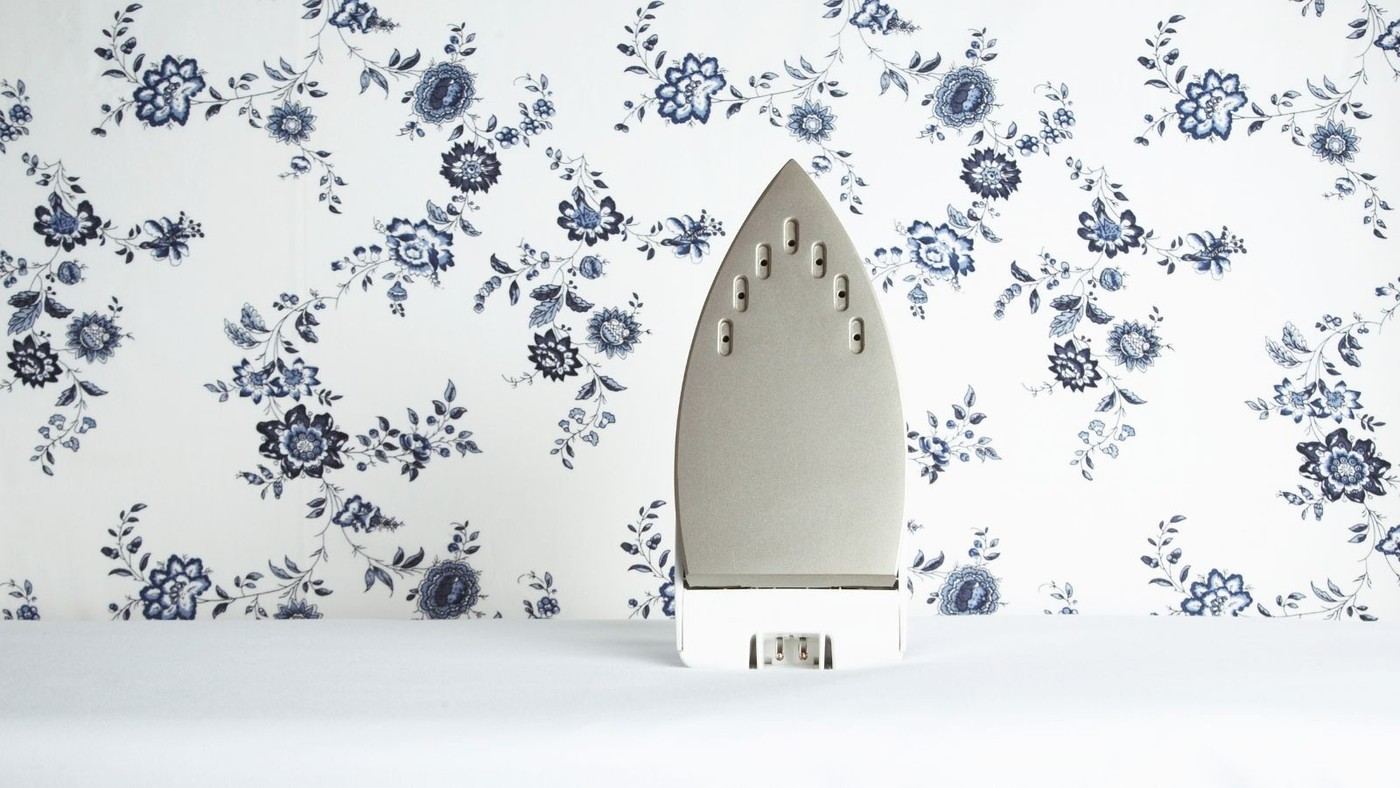
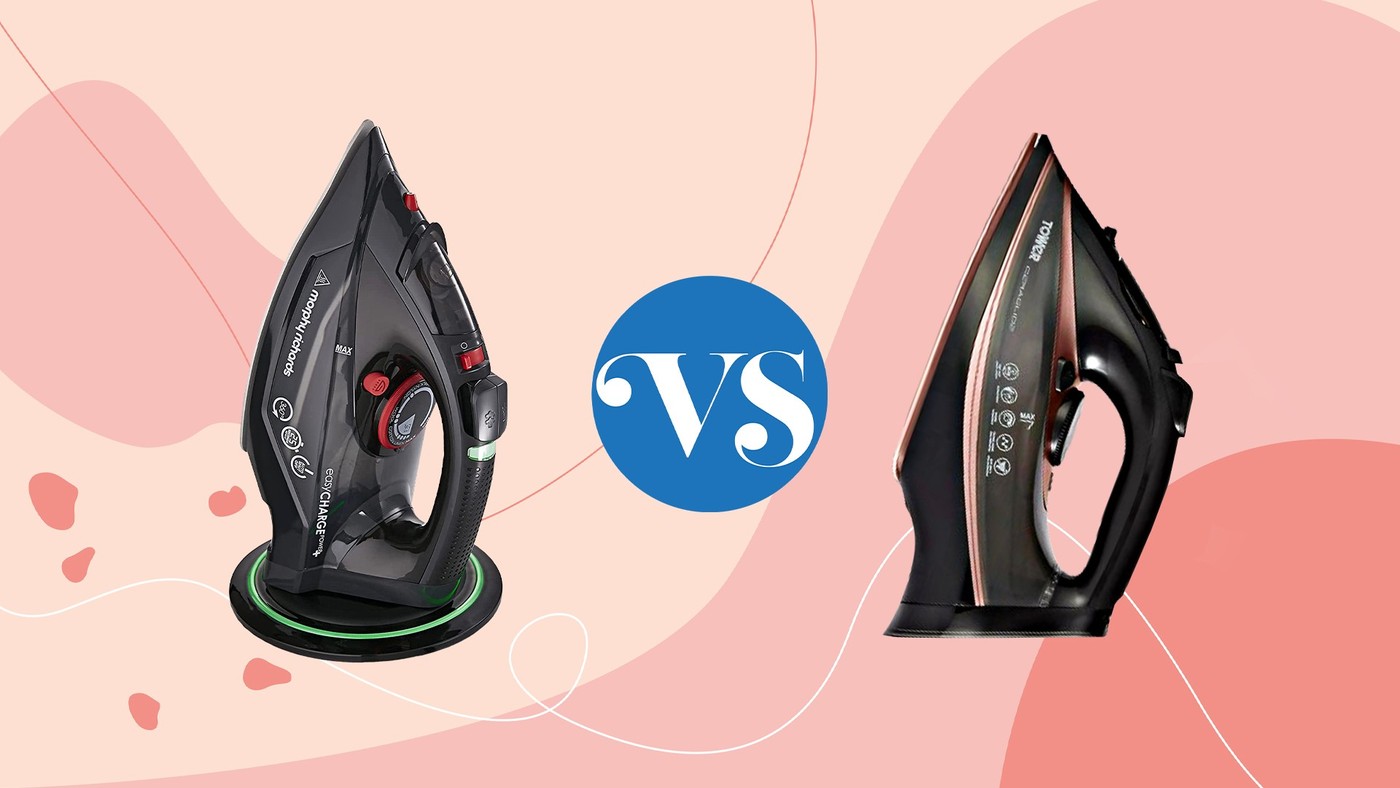
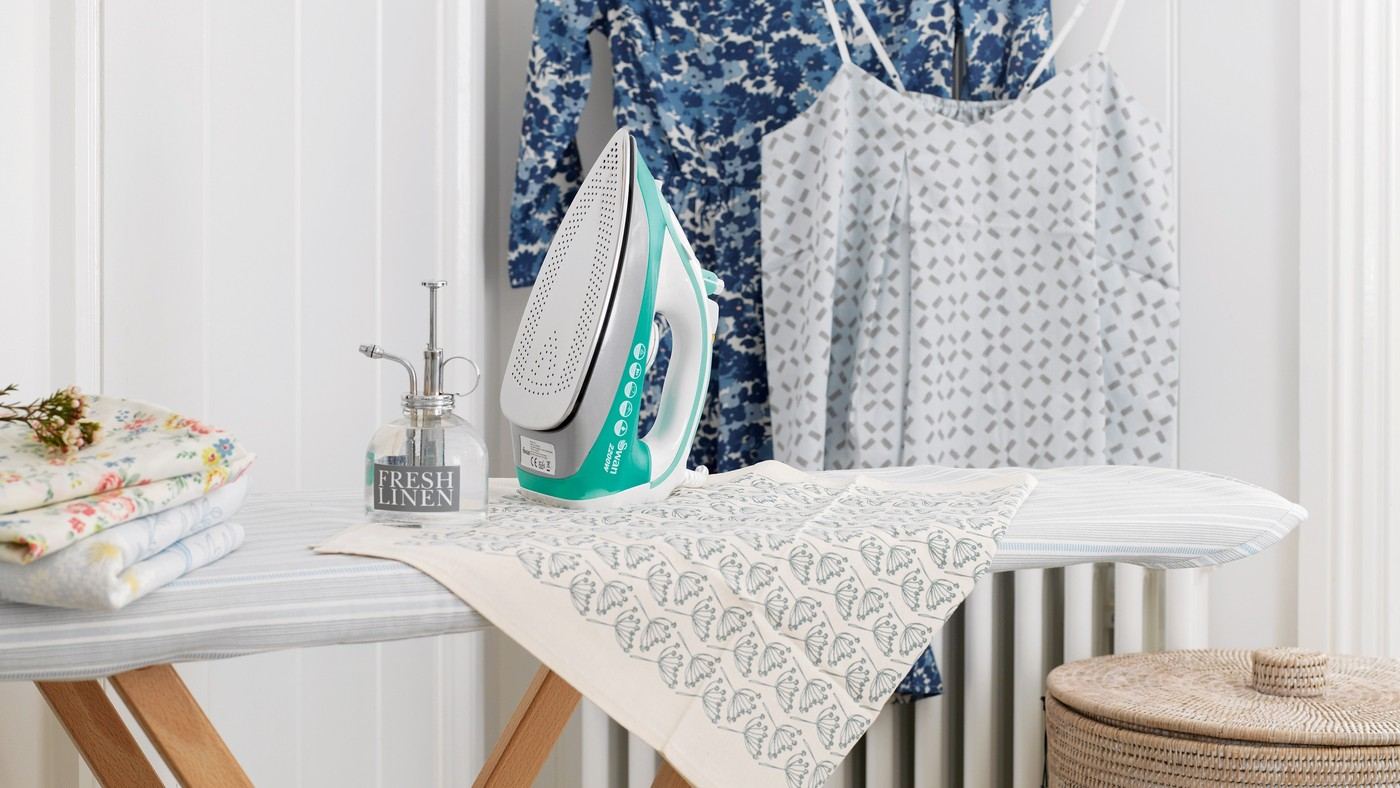
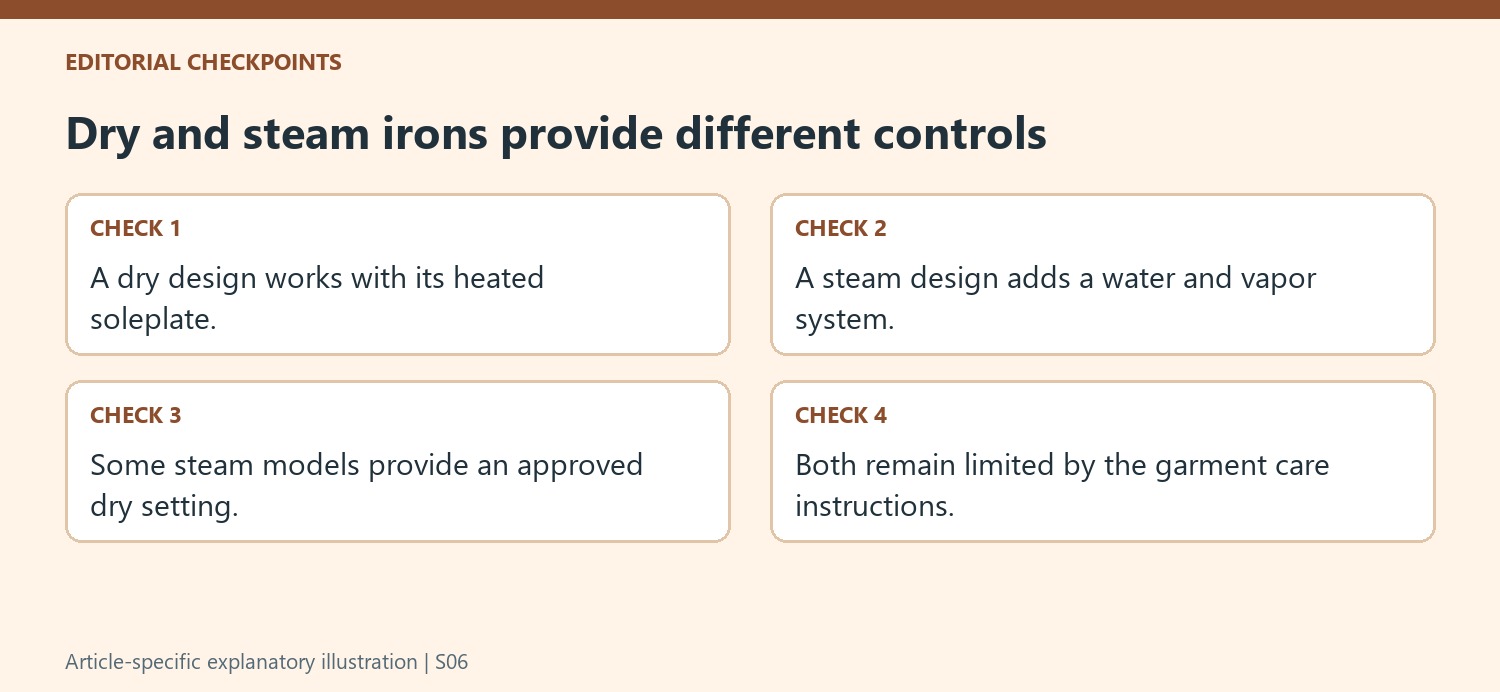
A dry iron uses its heated soleplate without generating steam, while a steam iron includes a water system that releases vapor through the plate. Ideal Home's comparison treats this as the starting point for choosing between them. A simpler dry model can be appealing for occasional touchups because there is no tank to fill for steam production. That simplicity does not make it suitable for every textile or every temperature. Both types still apply heat directly to clothing, so the garment's ironing instructions remain the first limit on how either appliance can be used.
Consider which features would get used
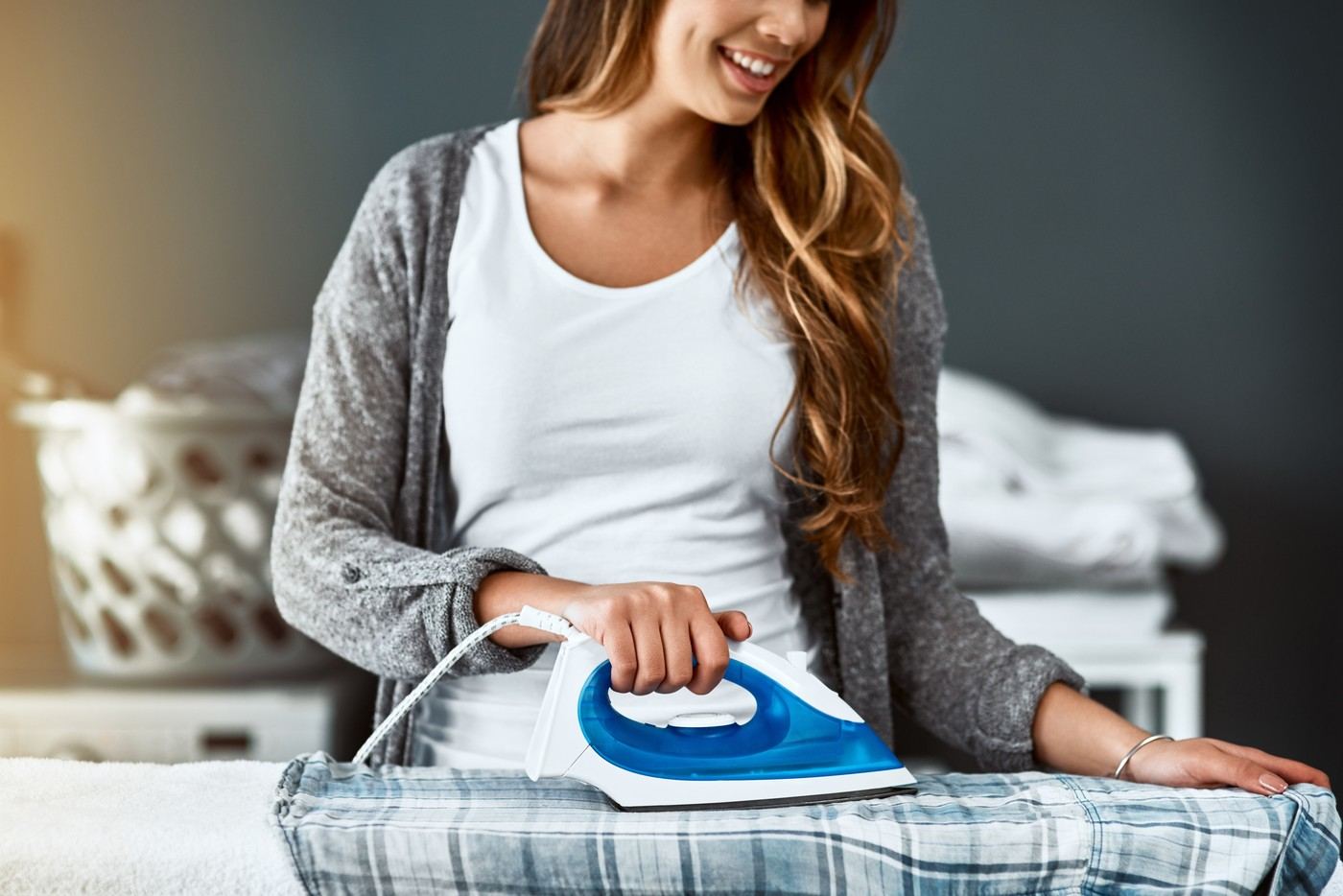
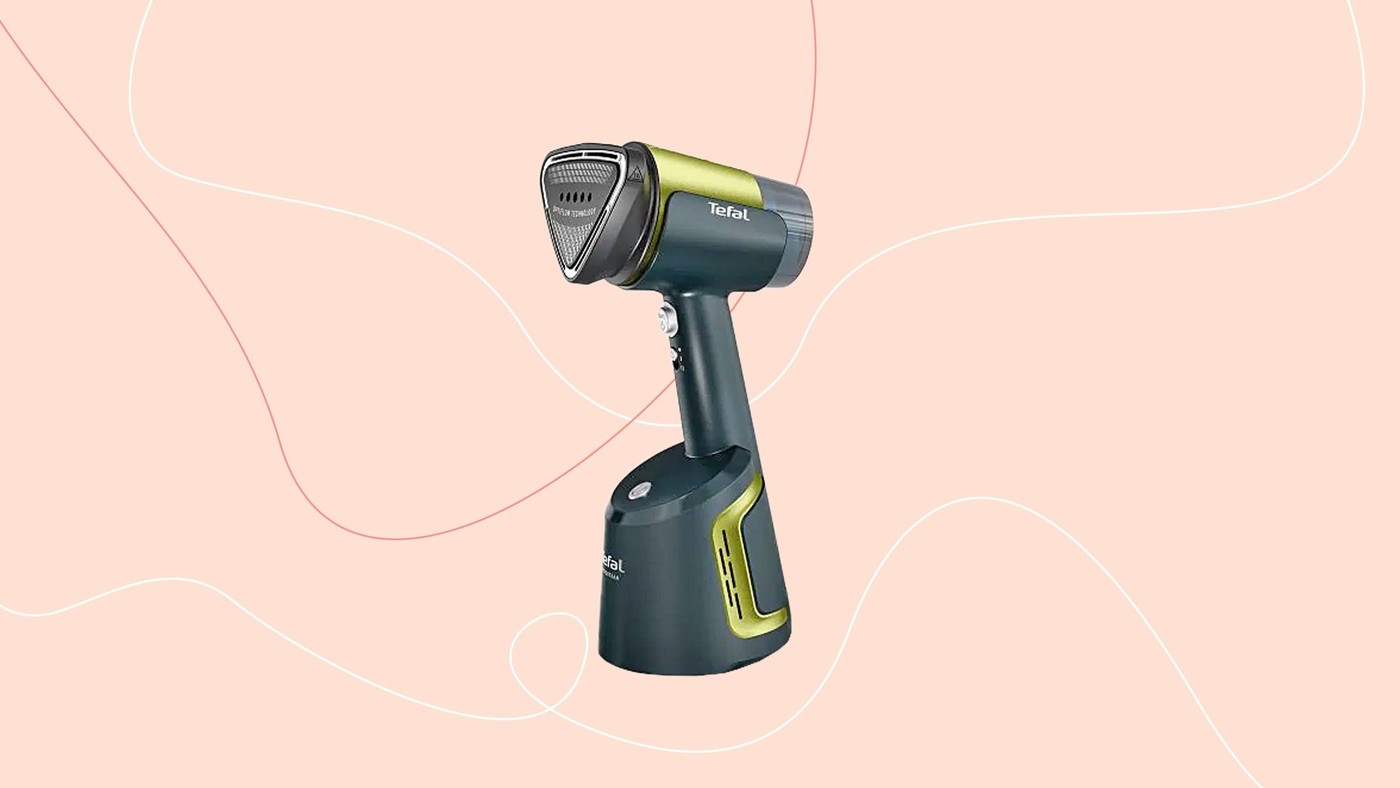
Steam irons may offer adjustable steam output, bursts for difficult wrinkles or vertical steaming on compatible models. Those options can help with varied laundry, but their usefulness depends on the actual appliance and the clothing involved. Some models also provide a dry setting, allowing the steam function to be left off when appropriate. Compare the controls and permitted operating methods rather than assuming that a steam capable iron must always release steam. An occasional user may value a straightforward design more than a long feature list, while someone pressing larger batches may appreciate additional control over moisture and output.
Include maintenance and handling in the comparison
A steam system needs attention to water type, filling limits and mineral buildup according to its manual. A dry iron avoids those particular water system tasks, although the soleplate still needs appropriate cleaning and careful temperature selection. Price, weight and ease of movement vary within both categories, so general descriptions should not replace checking the specific model. Ideal Home notes that more elaborate steam features often bring greater complexity and cost. Choose around the amount of pressing and the finishes normally required, then maintain the appliance as directed. No design removes the need to inspect labels and avoid excessive heat.
Choose around the moisture control actually needed
The source's central distinction is whether the iron generates steam from a water system. Start by examining the garments normally pressed and the finish they require. A simple dry iron may cover occasional compatible touchups, while a steam-capable appliance may offer more control for a varied pile. These are task considerations, not guarantees that one design suits a fiber in every form. Fabric construction, blends, finishes, and the garment's instructions still decide what is permitted. A steam iron that offers an approved dry setting can sometimes serve both kinds of work, but check the actual controls and operating directions. Owning a water tank does not mean every garment should be treated with moisture during every pass.
Compare the filled appliance rather than an empty specification
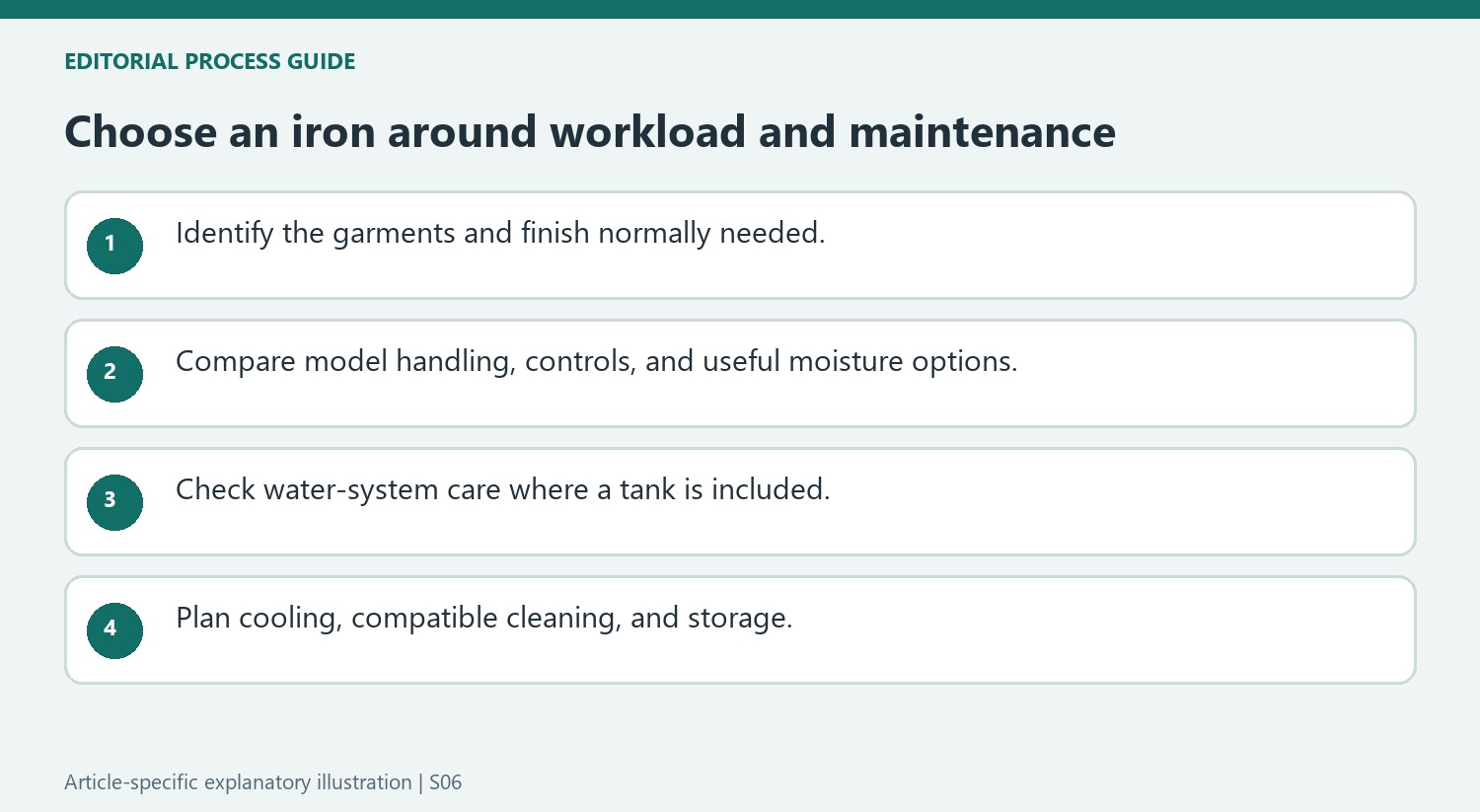
Handling depends on the specific model, including its soleplate, balance, controls, and any water carried during use. The source presents simpler dry designs as convenient for straightforward tasks, but a category description cannot predict how comfortable an individual appliance will feel. Consider the length of the usual session and whether refilling interrupts it. Inspect how clearly the tank level is marked and how the selected steam or dry mode is indicated. Someone who regularly changes between permitted treatments may value accessible controls more than another feature that rarely gets used. Price examples in an older comparison should also remain historical context. Compare current models and relevant performance evidence instead of assuming the simplest or most elaborate appliance must be the best value.
Include the care work after the last garment
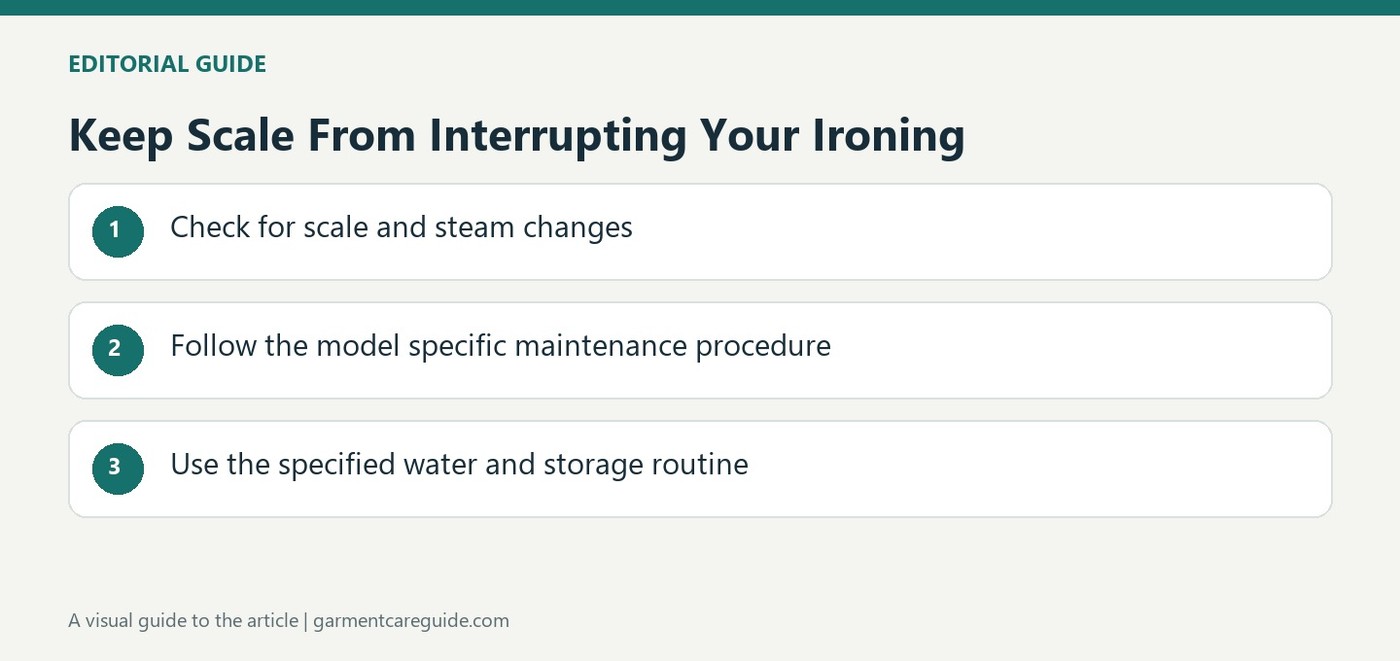
A water system brings maintenance questions that a basic dry design does not share in the same way. Find the manufacturer's water requirements, maximum filling level, scale-management procedure, and storage directions before selecting a steam model. A dry iron still needs a clean compatible soleplate and appropriate temperature selection, so simplicity does not mean maintenance disappears. Allow cooling and storage space for either design, and inspect the surface if it begins to drag or mark cloth. The comparison becomes more useful when these routine tasks are counted alongside wrinkle-removal features. An appliance that fits a household's actual workload and maintenance habits is easier to use consistently than one chosen solely for an attractive feature list or an assumed category advantage.
References
- Dry iron vs steam iron - which should you buy? | Ideal Home. Ideal Home; Katie Sims.