GarmentCare Guide
Keep the survey in its original timeframe
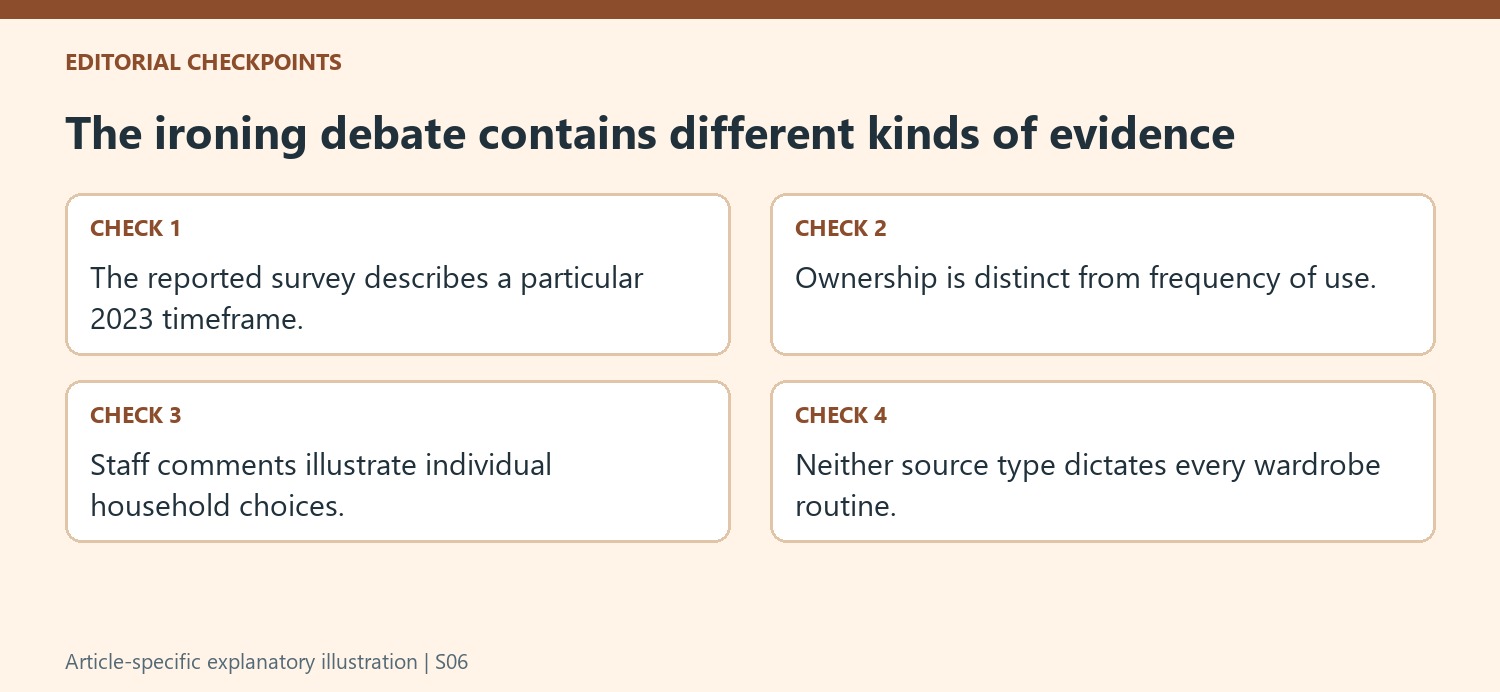
An Ideal Home article discussed Lakeland's 2023 trends report and the different attitudes it recorded toward ironing. According to that account, thirty percent of respondents aged eighteen to thirty four did not own an iron. The article contrasted this with stronger ownership and use among older respondents. These are reported findings from a particular survey, rather than a description of every household or a measurement of current behavior. They are useful for opening a conversation about changing routines, provided the year and source remain attached instead of presenting the figures as a new universal trend.
Consider the clothing behind the routine
A person's wardrobe affects how often an iron feels necessary. Clothing that is meant to look relaxed creates different expectations from shirts or trousers worn with a crisp finish. The Ideal Home team described varied habits, including owning an iron but using it infrequently, or preferring a steamer for selected tasks. Space matters as well: storing a board and setting up a pressing area can be less convenient in a small home. These practical differences help explain why ownership alone does not reveal how someone handles wrinkles or how much effort they put into caring for clothes.
Choose a finish that fits the garment
The discussion does not establish one correct amount of ironing. Start with the care label and the appearance wanted for the particular item. Some garments can be arranged carefully after washing to limit wrinkles, while others benefit from appropriate pressing or permitted steaming. A sharply creased finish and a soft hanging finish serve different purposes. Someone who rarely irons may still need access to a suitable tool for occasional clothing, just as a frequent iron user may skip it for other pieces. Treat the survey as context for individual choices rather than a reason to disregard a garment's instructions.
Distinguish ownership from frequency of use
The 2023 discussion combines reported survey results with informal comments from the Ideal Home team. Those are different kinds of evidence. A respondent may own an iron without using it weekly, while someone without one may still borrow an appliance for a special garment. The staff comments illustrate that distinction through accounts of rarely using an owned iron, choosing a steamer, or ironing at a family home. They do not establish how often the wider population presses clothes. Read an ownership figure as an ownership figure unless the question explicitly includes use. That keeps the story informative without turning a discussion of household preferences into a stronger claim about every person's laundry routine.
Give storage constraints a place in the decision
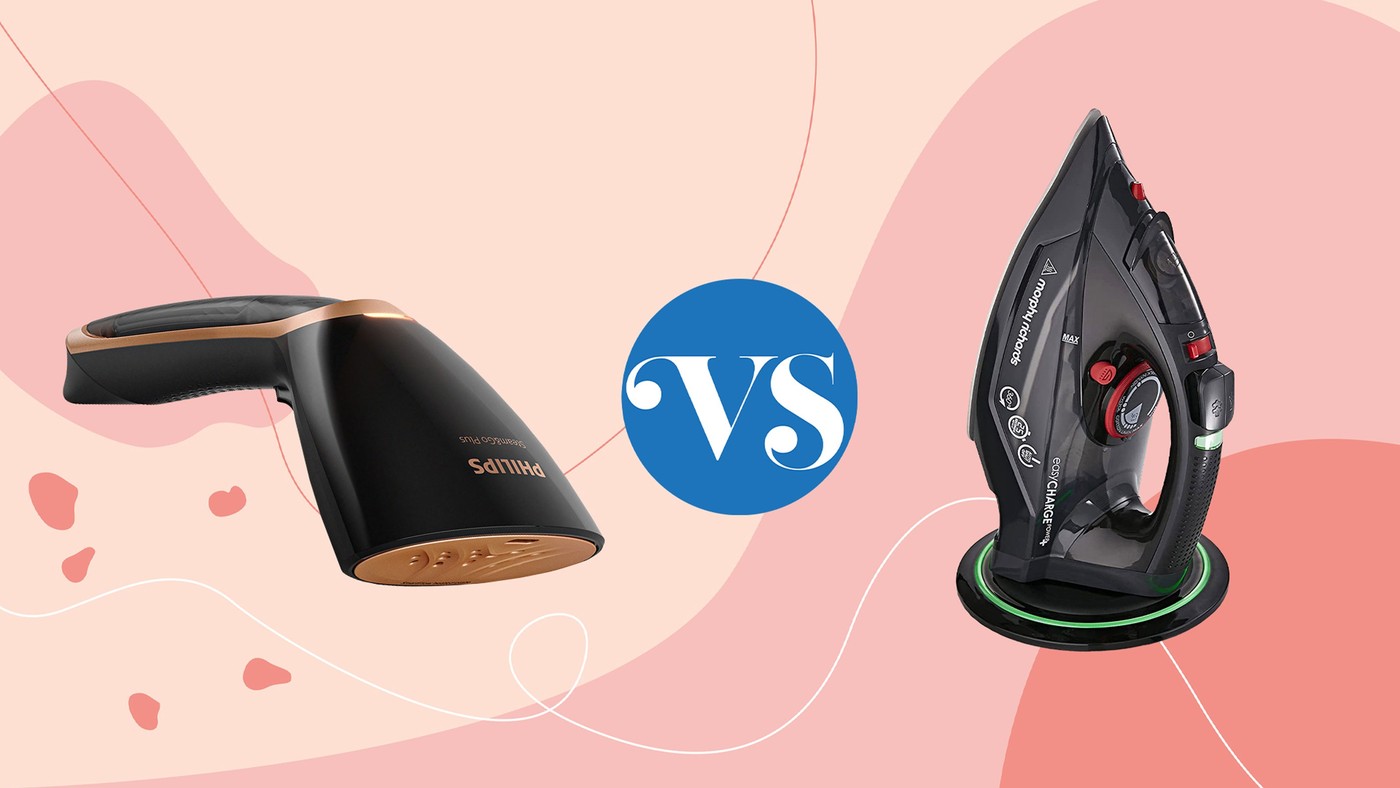
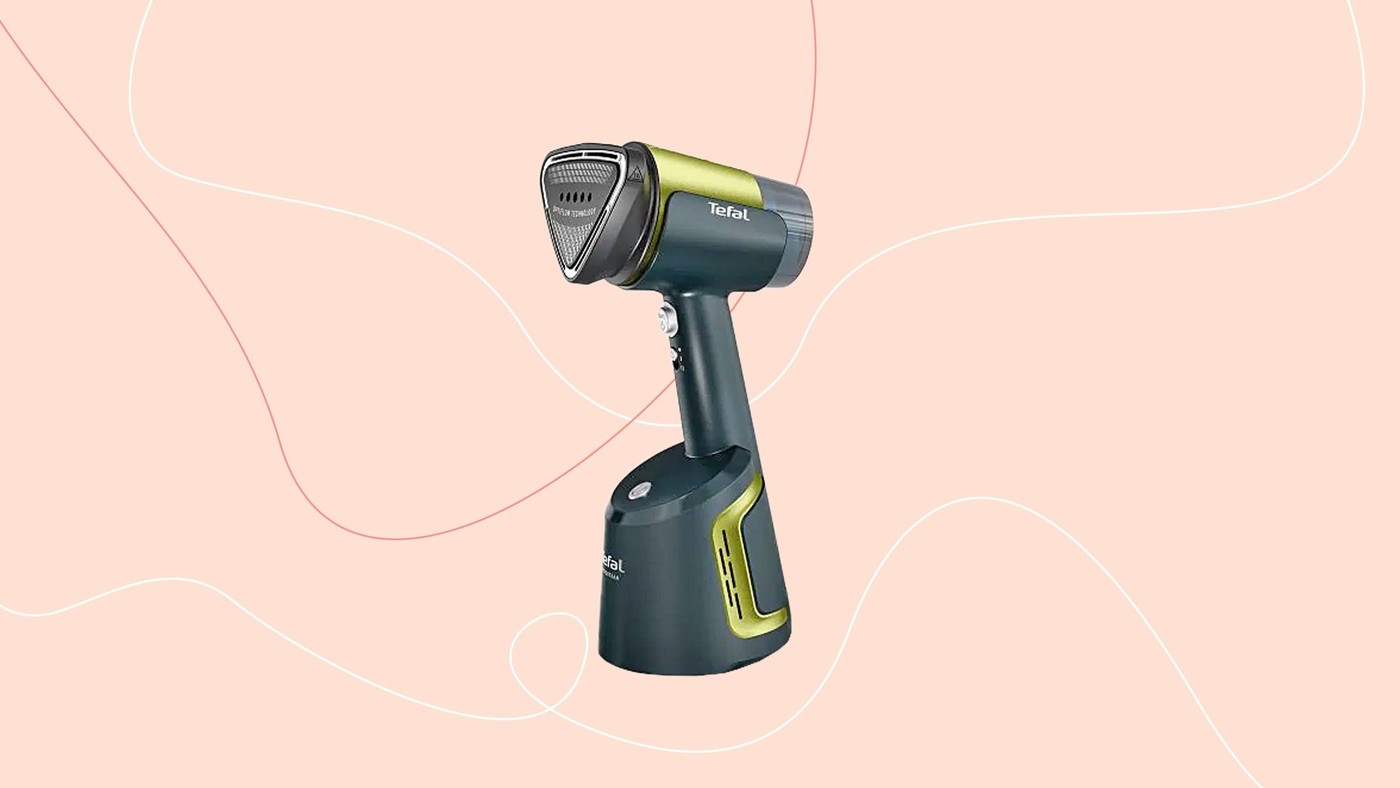
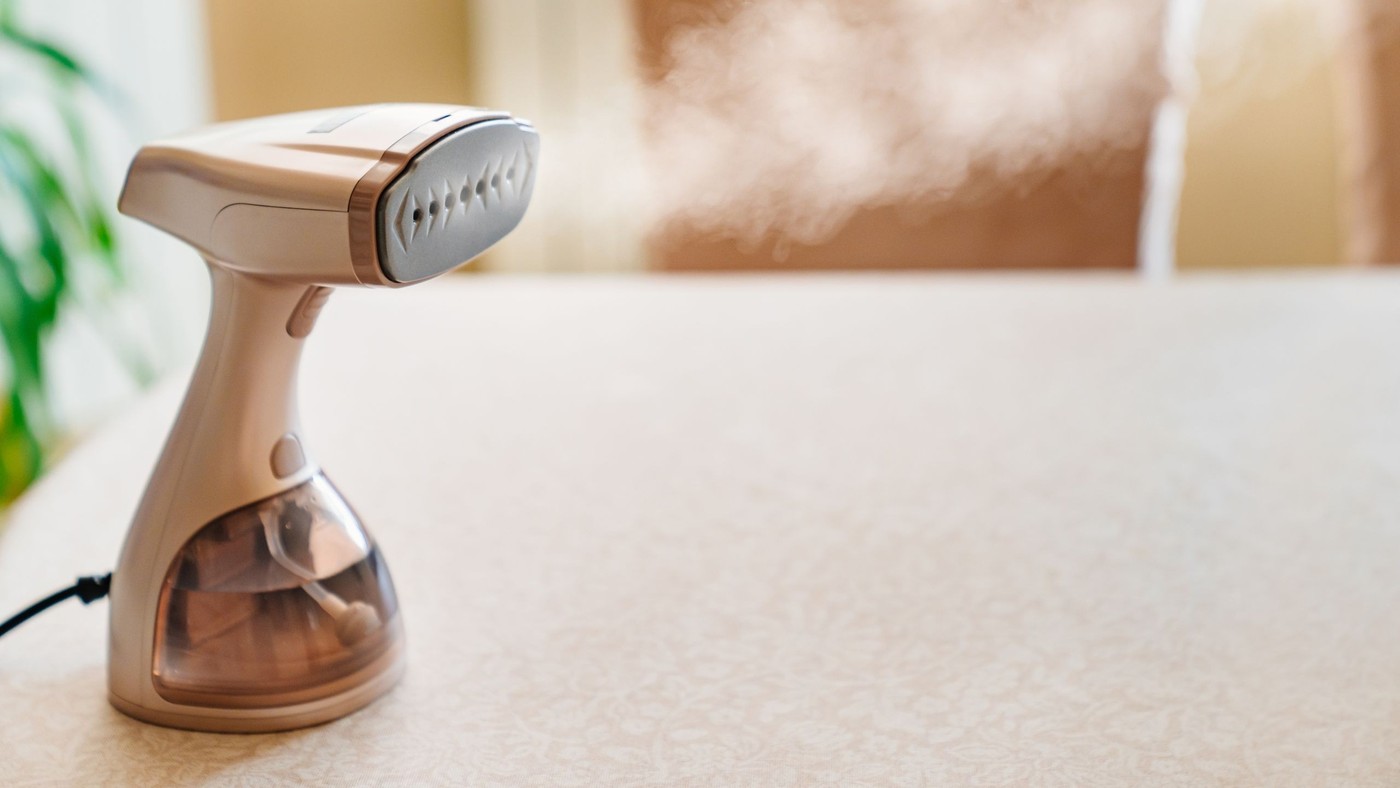
The writer describes limited space in a small flat as a reason for going without an iron and board. This is a practical example of how an appliance decision can depend on more than its purchase price or performance. An ironing board needs storage and a usable position when opened, while an iron needs an appropriate operating and cooling area. A handheld steamer has different space requirements but still has to suit the garment and the desired finish. Consider which clothing genuinely calls for each tool before finding room for it. An occasional need may lead to a different arrangement from a household pressing shirts regularly. The anecdote helps identify those questions; it does not prove one arrangement will work equally well in every home.
Use the historical debate to examine current needs
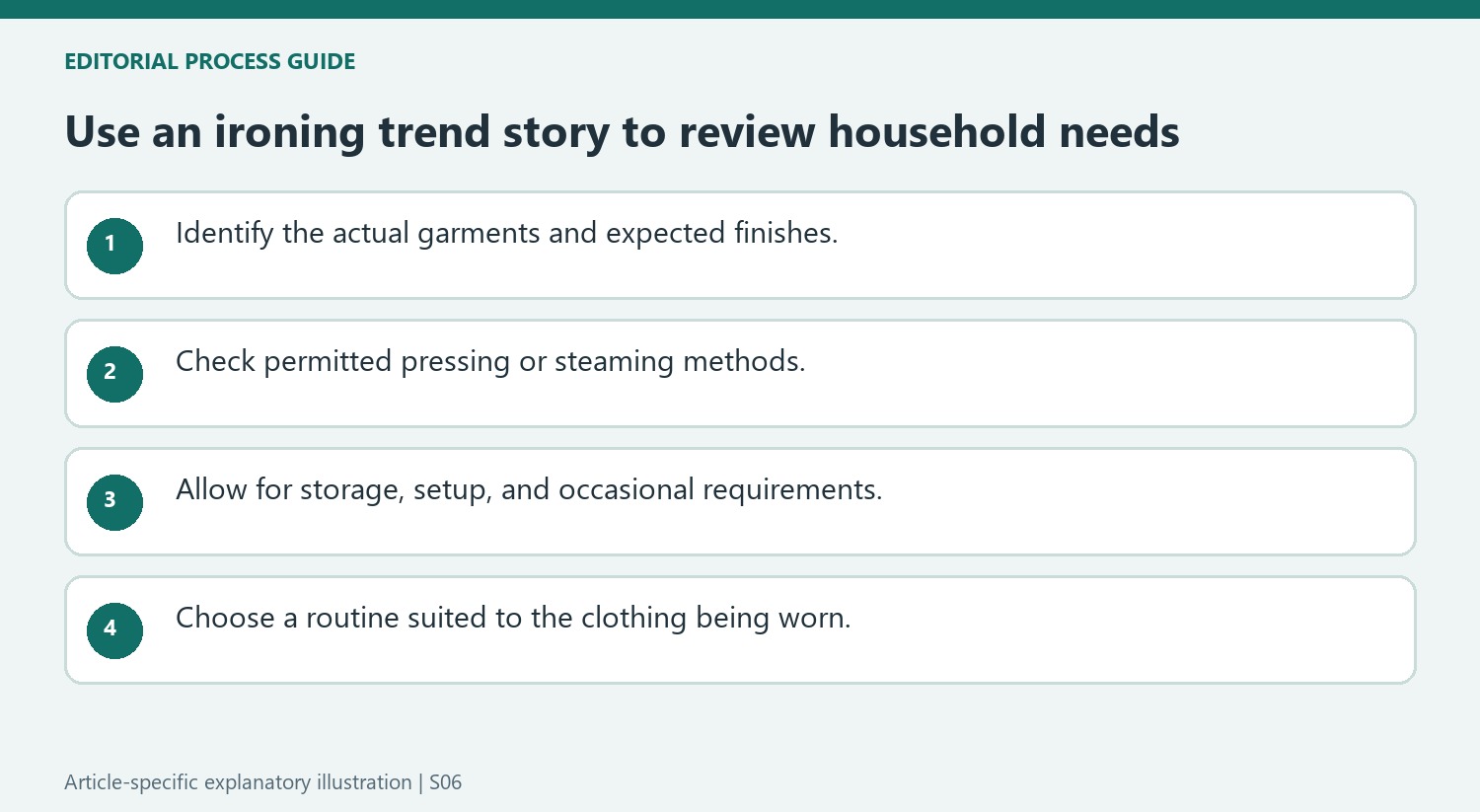
A report dated 2023 can prompt a useful wardrobe review without being presented as a new measurement. Look at the garments actually worn now, including any pieces reserved for work or occasional events. Decide whether a relaxed appearance is intended or whether a crisp finish is part of the item's use. Then check the care requirements and the equipment available to achieve that result. The source's contrasting generations and team habits are context for these individual choices, not instructions to follow an age group. A younger iron owner and an older person who seldom presses clothes can both have coherent routines. What matters for the clothing is that the chosen treatment remains compatible and the finish meets the wearer's actual needs.
References
- Are irons losing steam? Our take on the ironing debate | Ideal Home. Ideal Home; Jullia Joson.