GarmentCare Guide

Pure acetate and blends may have different claims
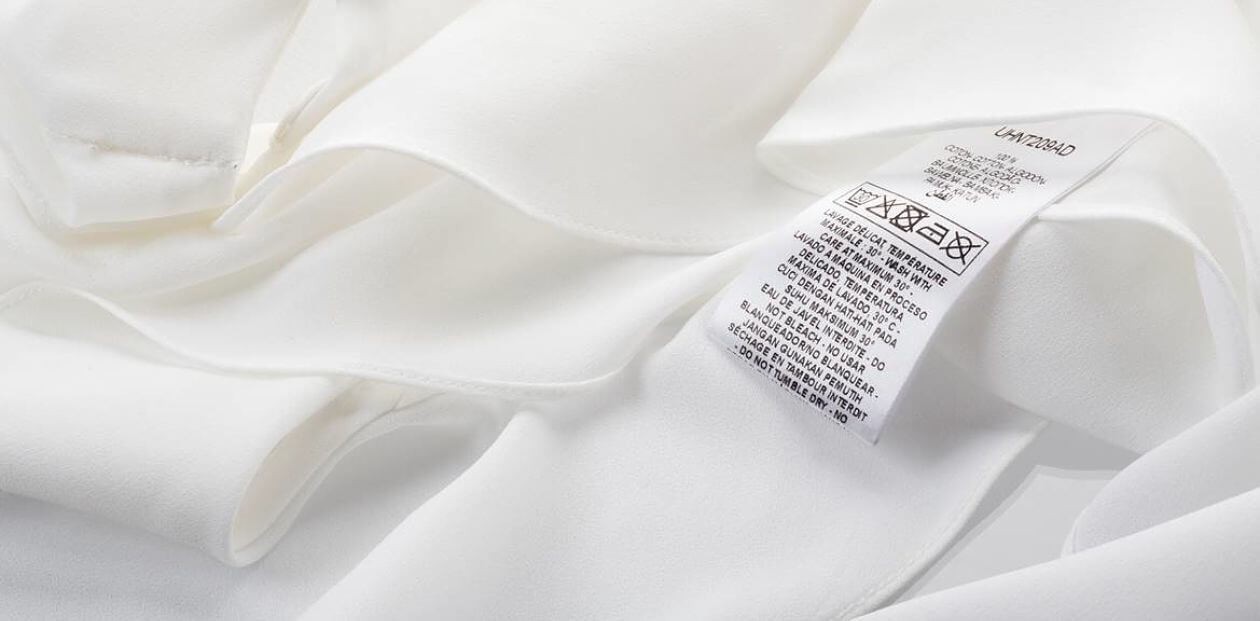
Acetate is a manufactured fiber derived from cellulose and used in items such as blouses, linings and occasionwear. Ariel's guide distinguishes pure acetate from blends, noting that the finished composition can affect washing instructions. Read the garment's care label before deciding how to clean it. Its general advice for washable acetate emphasizes cool treatment and gentle handling, while some blends may permit machine washing. This does not establish one rule for every garment containing acetate. A lining inside a structured jacket, for example, still belongs to a finished product with its own overall care claim.
Avoid twisting and excessive soaking
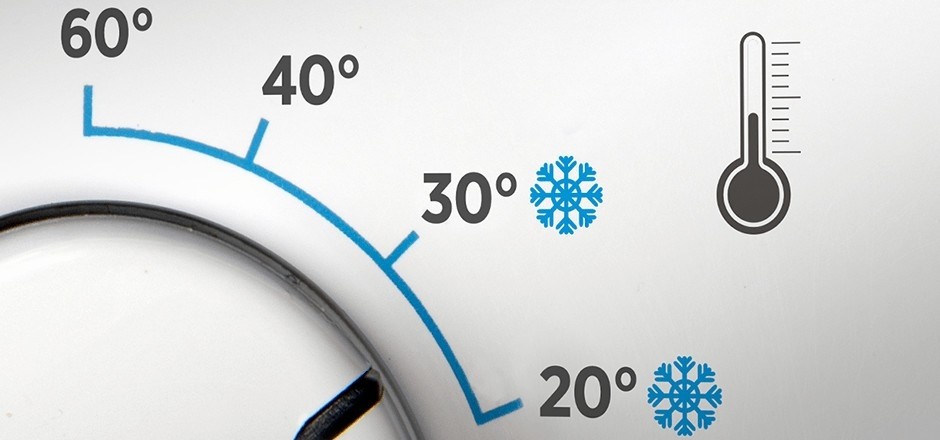
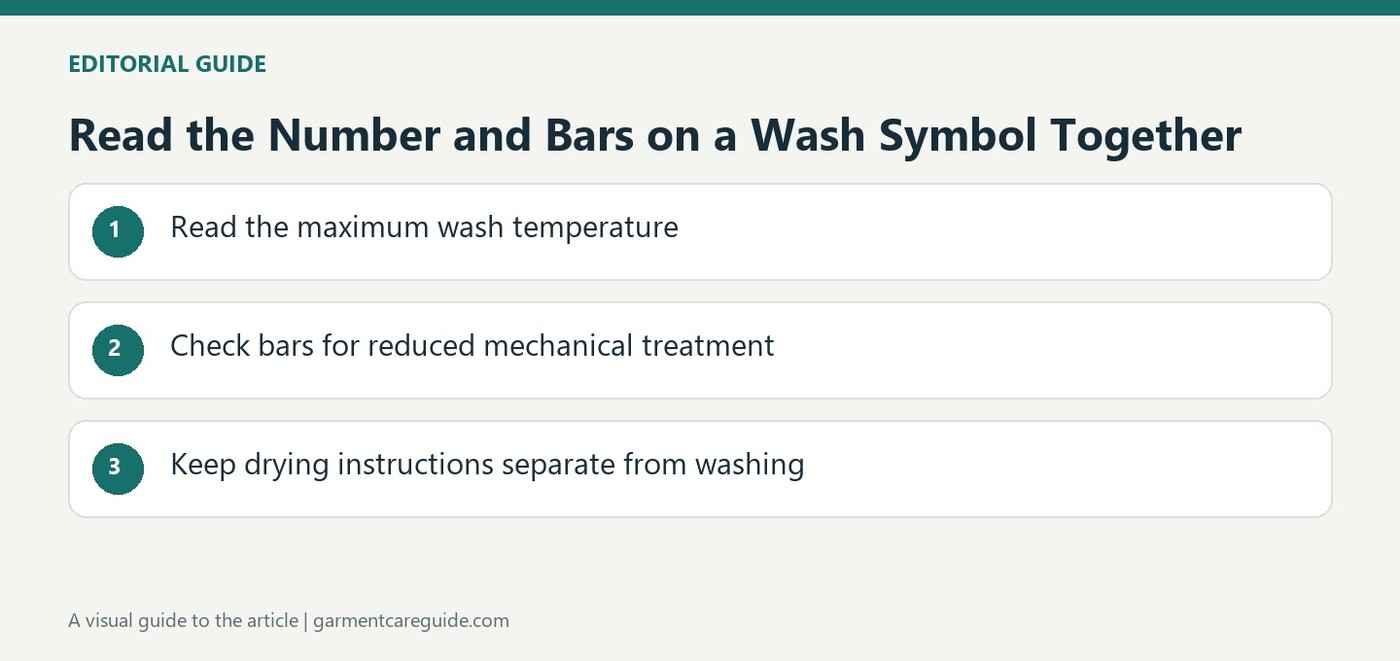
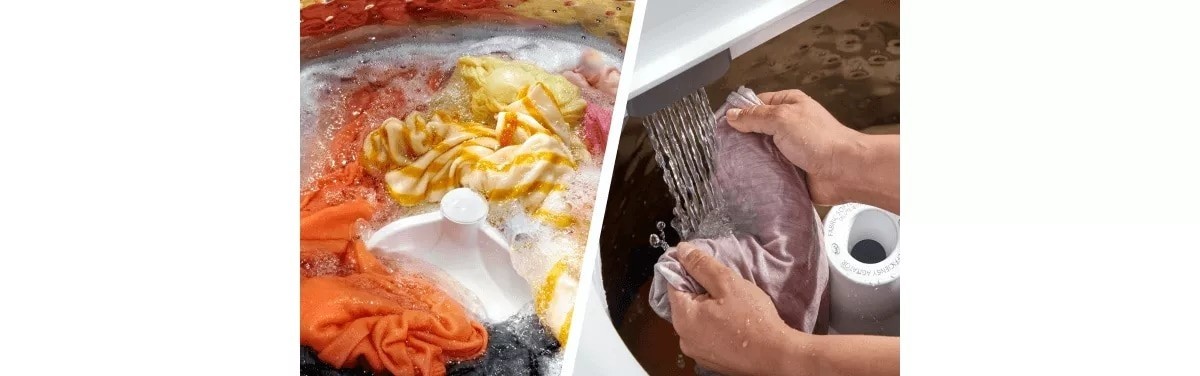
For an item that permits home washing, the source advises avoiding twisting or strong agitation. It also cautions against long soaking because dye may bleed. Where a blend allows machine washing, a gentle program and controlled spinning are relevant to reducing creasing. These details make mechanical treatment part of the decision alongside temperature. Use a suitable detergent as instructed, and keep the treatment within the garment's stated limits. Choosing cool water alone does not account for everything a delicate acetate construction may need.

Keep incompatible chemicals away from the fabric
Ariel warns against acetone and organic solvents for acetate stain treatment because they can damage or dissolve the fibers. It also recommends keeping garments away from products such as nail-polish remover and certain alcohol-based products. This is a specific compatibility issue, not a reason to experiment with stronger stain removers. The guide favors natural drying rather than a tumble dryer, with low-temperature ironing only where the care claim permits it. Plan these finishing steps before washing so a delicate item is not subjected to an unsuitable shortcut after it becomes wet.
A lining belongs to the finished garment's care system
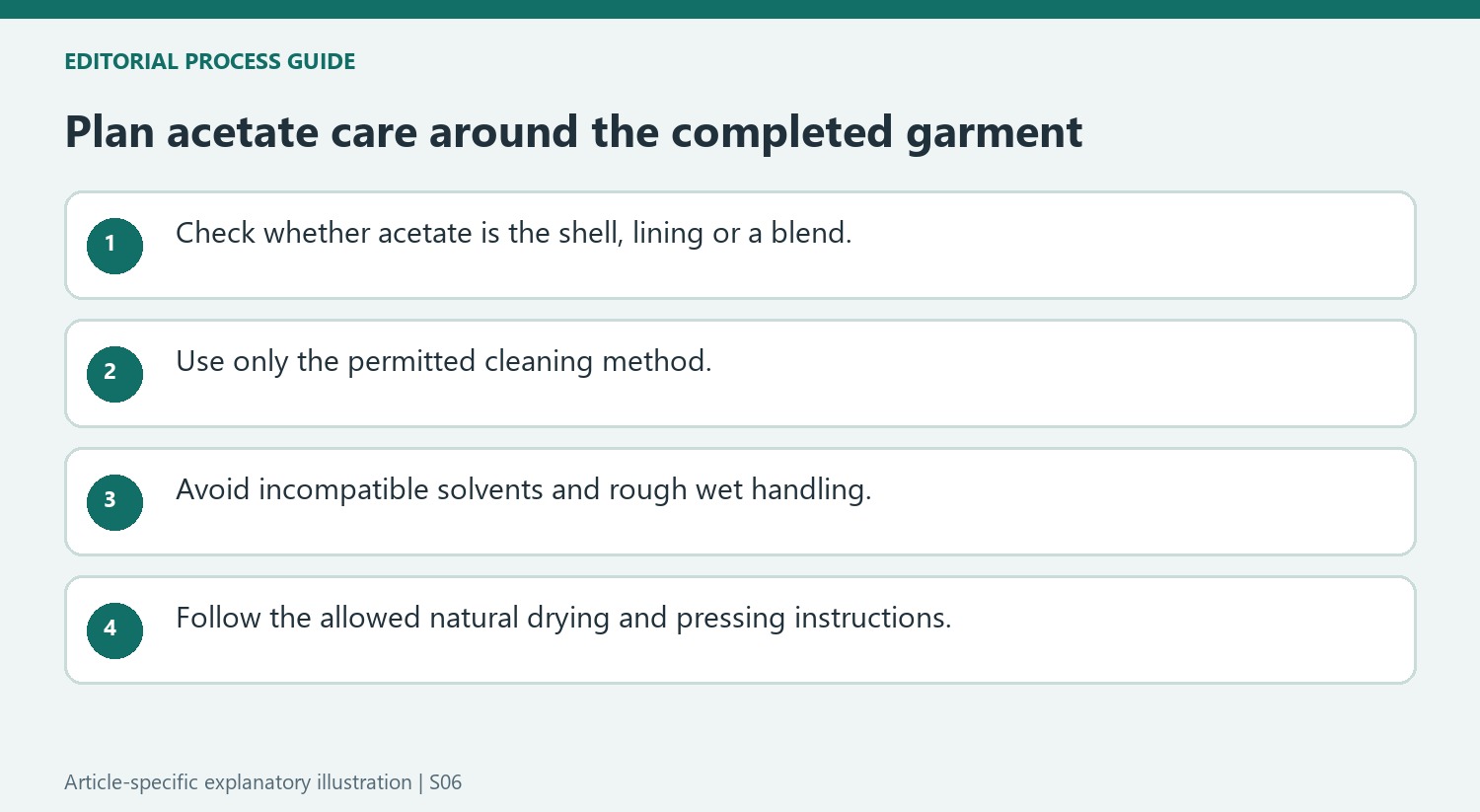
Acetate can appear as a lining as well as the visible fabric of a blouse or occasionwear. In a structured jacket, the lining is only one component, so its fiber identity cannot independently set the care of the entire article. The shell, interlining, trims, and assembly may add further requirements. Ariel's distinction between pure material and blends is useful context, but the completed garment label comes first. Read it before choosing a home-washing route. This avoids treating a general acetate example as permission to immerse every garment containing that fiber, particularly when a small composition label describes only one layer of a more complicated finished product.
Cool water does not remove mechanical and timing concerns
For washable examples, the guide cautions against twisting, vigorous agitation, and excessive soaking. It also identifies high spin as a cause of unwanted creasing in appropriate machine-washable blends. These details show that selecting a lower temperature resolves only part of the treatment. The chosen movement and time still need to agree with the article's directions. Prepare a suitable detergent and the allowed method before the garment is wet. Then follow the specified natural-drying arrangement rather than inventing a tumble-dryer shortcut. Keeping the sequence planned makes it easier to handle a delicate item without repeated pulling, wringing, or prolonged soaking merely because the next stage has not been prepared.
Chemical compatibility matters during storage and stain care
Ariel warns about acetone and organic solvents in relation to acetate and highlights products such as nail-polish remover and perfume that should be kept away. This is a material-compatibility issue, not simply a concern about fragrance or color. A stain-removal approach used successfully on another fabric may damage acetate, so do not transfer solvent advice without checking suitability. If the mark or garment is uncertain, seek the maker's guidance or appropriate professional care. Where ironing is allowed, the guide uses a low setting and the garment's inside surface, subject to the actual label. Those separate precautions keep cleaning, finishing, and storage connected to the particular material instead of its delicate, silky appearance alone. Keep solvent-containing toiletries separate when preparing a storage space for these garments.
References
- How to wash acetate. Ariel.