GarmentCare Guide

Assess the socks before choosing a method
Woolmark's Merino sock guide notes that wool's odor resistance can allow some pairs to be aired between wears instead of automatically washed after every use. The condition of the socks still matters, particularly after activity or visible soiling. When washing becomes necessary, use the product's care instructions if they are available. A pair containing wool should not simply be assigned the same hot cycle used for other socks. Its blend, construction and care claim determine which treatment is appropriate for that particular item.
Machine-washable pairs have their own routine
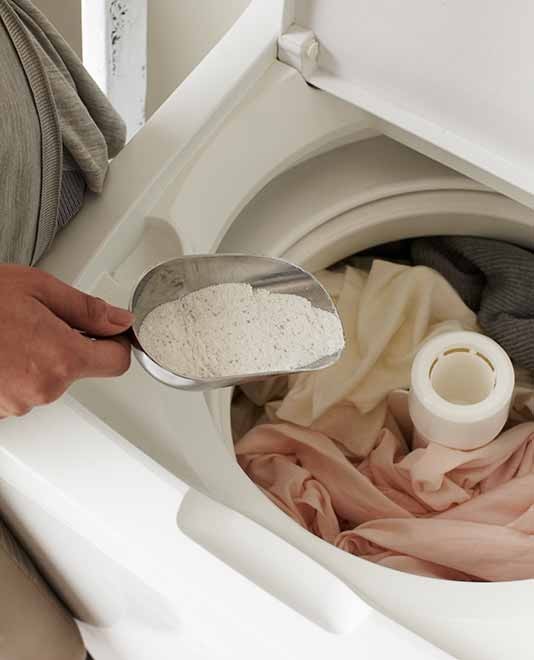
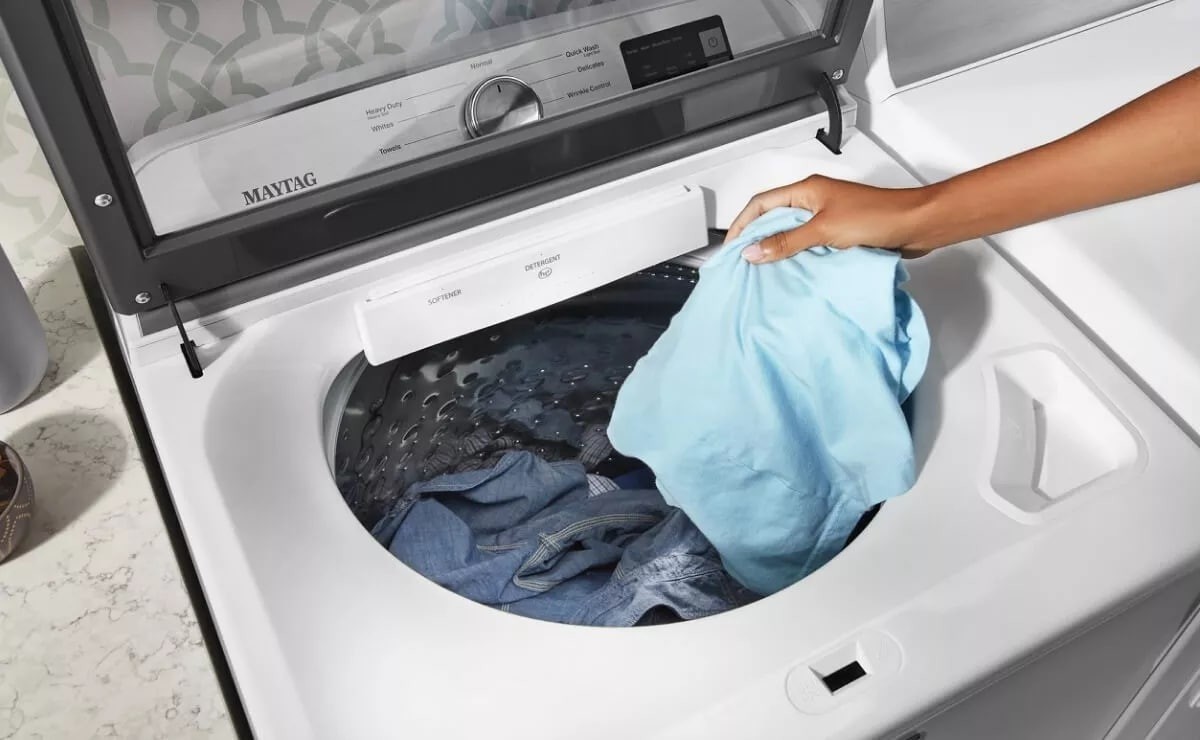
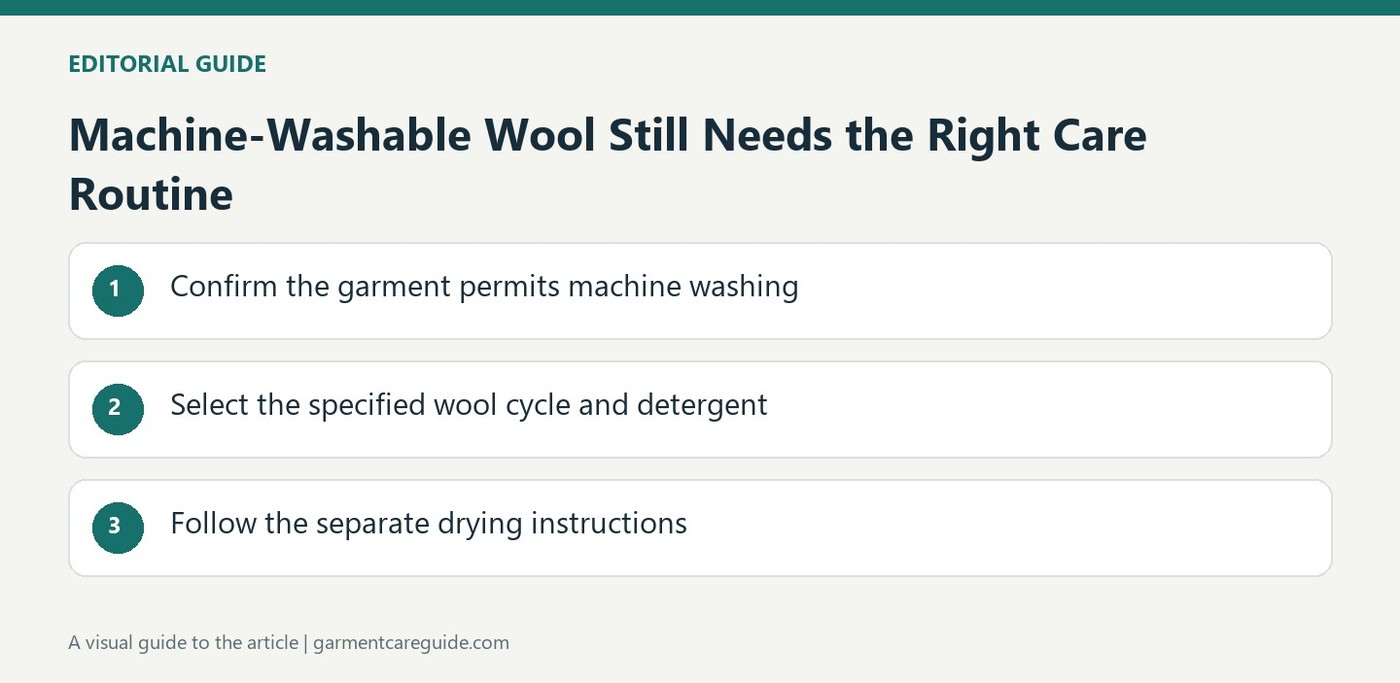
For socks labeled as machine washable, Woolmark recommends turning them inside out and selecting the wool program. If that program is unavailable, its general advice identifies a cold or delicate wash, subject to the garment's stated limits and the appliance instructions. Use a mild, gentle detergent or a suitable Woolmark-approved product. These choices work together: the detergent does not replace the need for a suitable cycle, and cool water does not by itself describe the mechanical action. Keeping those settings aligned with the care claim makes the process more controlled.
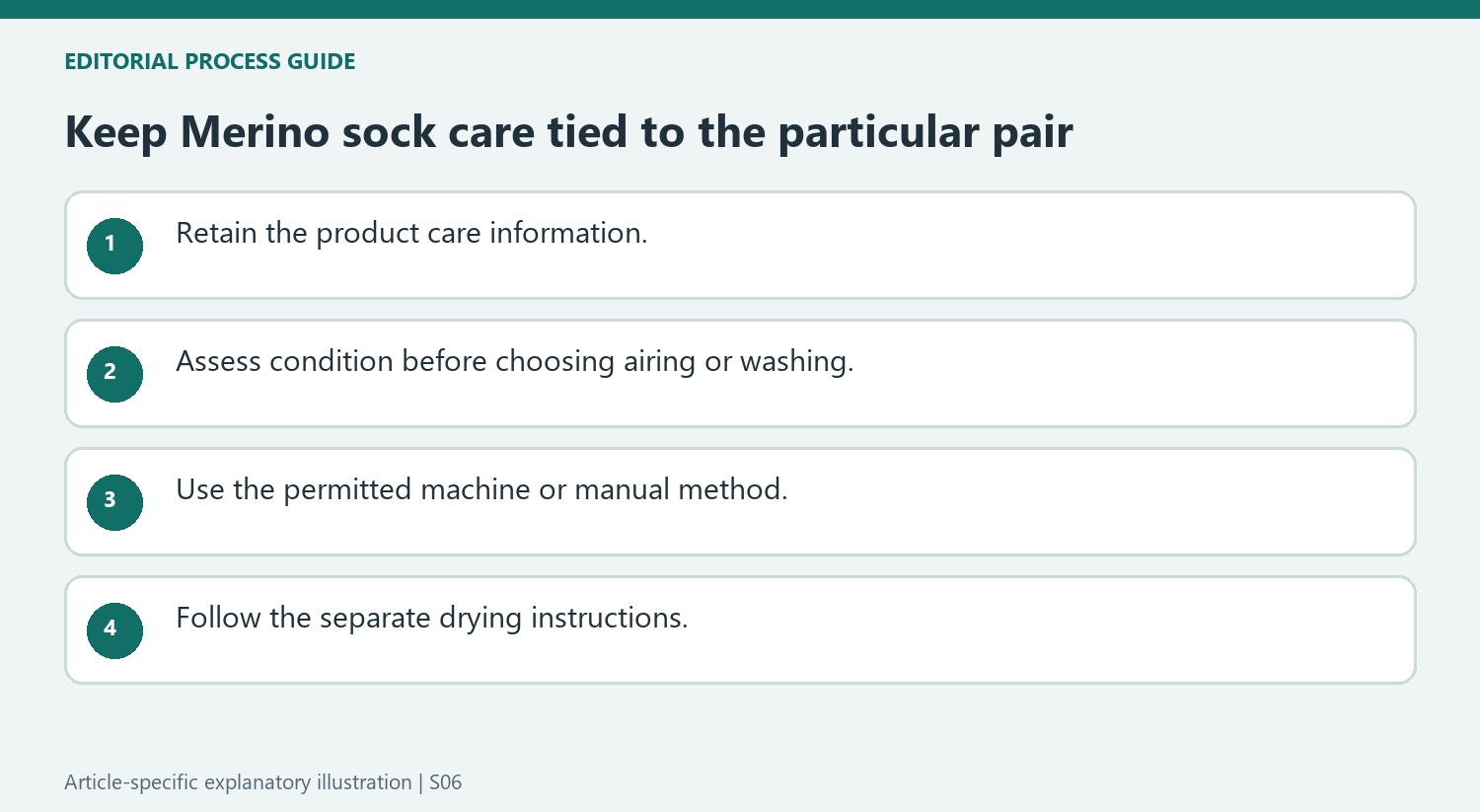
Hand-wash-only pairs require a separate route
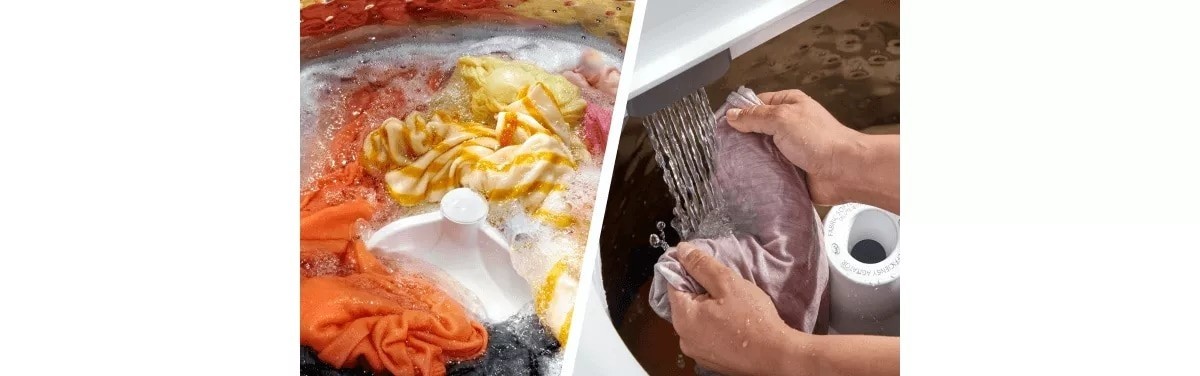
The guide describes hand washing in clean, lukewarm water at approximately 30 degrees Celsius with a mild detergent. Its routine includes a short soak followed by thorough rinsing, first in lukewarm and then cold water. This is a different method from merely selecting an ordinary washer program and hoping that the socks are small enough to tolerate it. Follow any more specific instructions supplied with the pair, including drying directions. Reading and retaining the care information when socks are purchased can prevent uncertainty later, especially once packaging has been discarded.
Retain the instructions that came with the pair
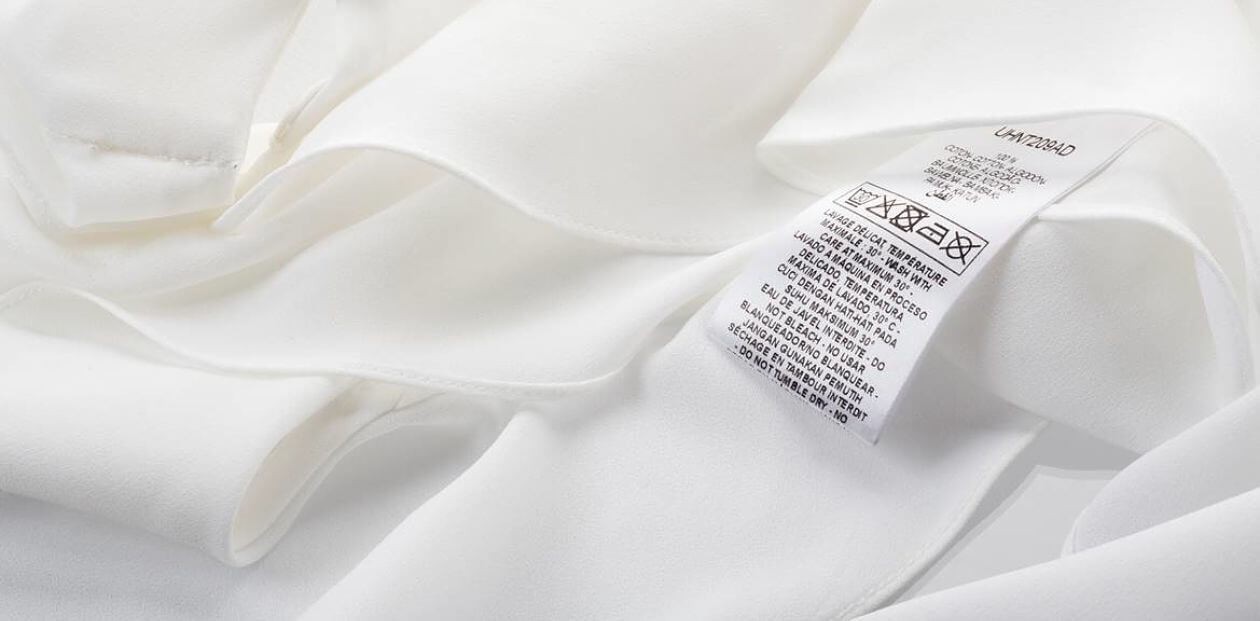
Socks may be separated from their packaging long before their first wash, making the original care information easy to lose. Woolmark specifically recommends following the product's care claim when it is available. Keeping that information prevents the later assumption that every sock belongs in one hot load. A wool-containing pair can also include companion fibers or elastic components, and the construction may differ from another pair already owned. The useful habit is to record or retain the actual instructions at purchase. Then machine washing, manual washing, and drying can be planned from the supplied information instead of from a general impression that a small item must tolerate any routine used for other socks.
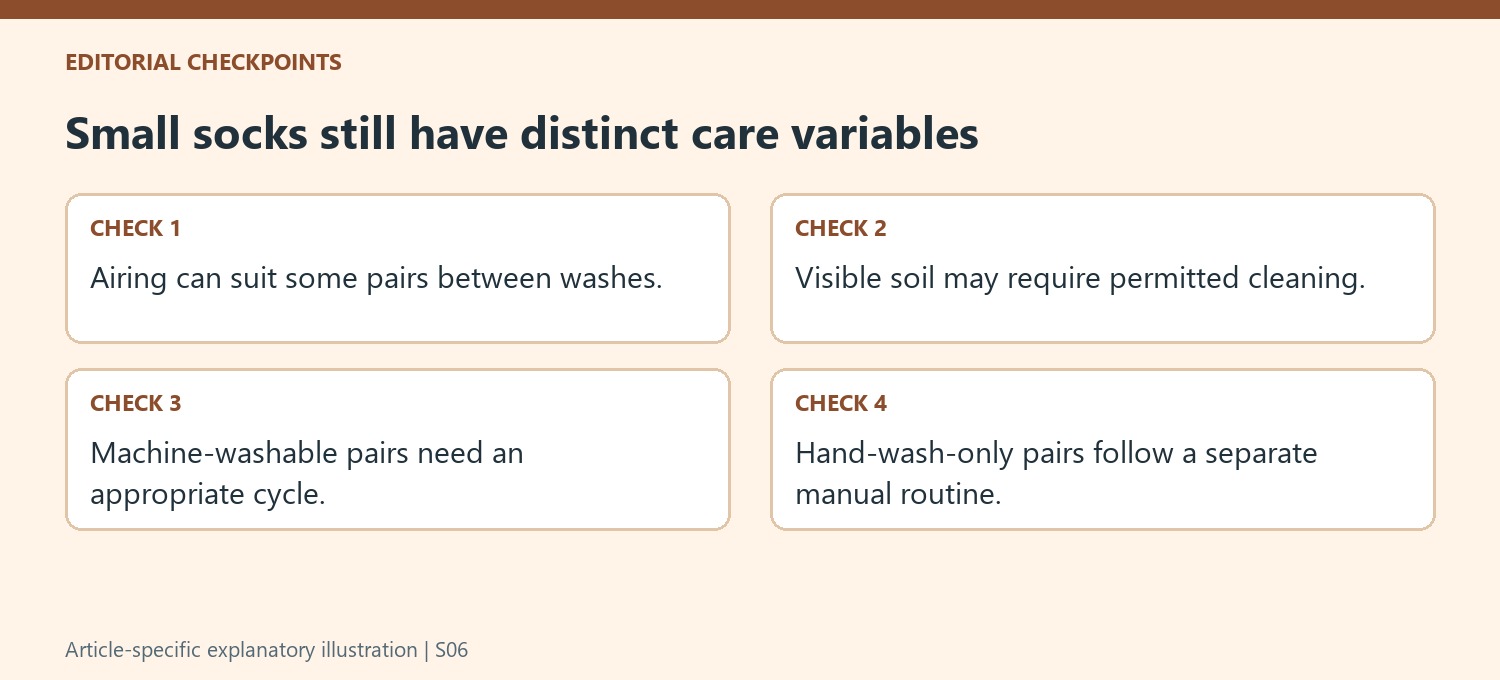
Airing and washing serve different needs
The source describes overnight airing as an option that may allow wool socks to be worn again between washes. That statement concerns socks whose condition makes the option appropriate; it is not a promise that odor resistance removes all soil. After activity or visible staining, assess the pair and use its permitted cleaning route when needed. The decision should be about the actual item rather than a fixed number of wears applied to every situation. For travel, the same approach can help plan how pairs are used and cared for, but the trip still needs a suitable method if washing becomes necessary. General fiber benefits provide context while the socks' condition and instructions determine the next step.
Keep the manual and machine routes distinct
For machine-washable pairs, the guide recommends turning them inside out and using an appropriate wool program with mild detergent. Hand-wash-only pairs instead enter clean lukewarm water, approximately thirty degrees Celsius in the source's routine, with a gentle detergent and a short soak before thorough rinsing. These are separate instructions for different permissions. Selecting a normal washer cycle is not equivalent to the manual method merely because the items are small. Follow the pair's more specific limits where supplied and check drying independently. The complete care routine includes what happens after rinsing, so a correctly chosen washing method should not be followed automatically by a dryer treatment that the socks' own claim does not permit.
References
- Washing Merino wool socks. The Woolmark Company.