GarmentCare Guide
Check the garment rather than assuming uniform care
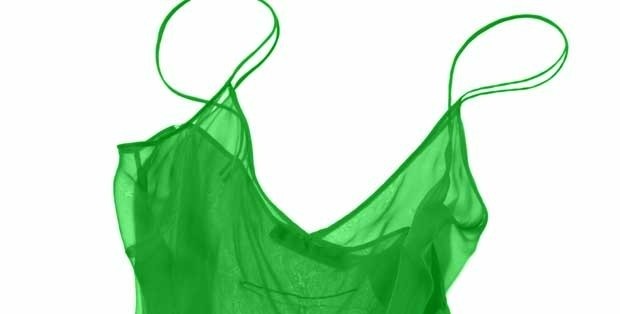
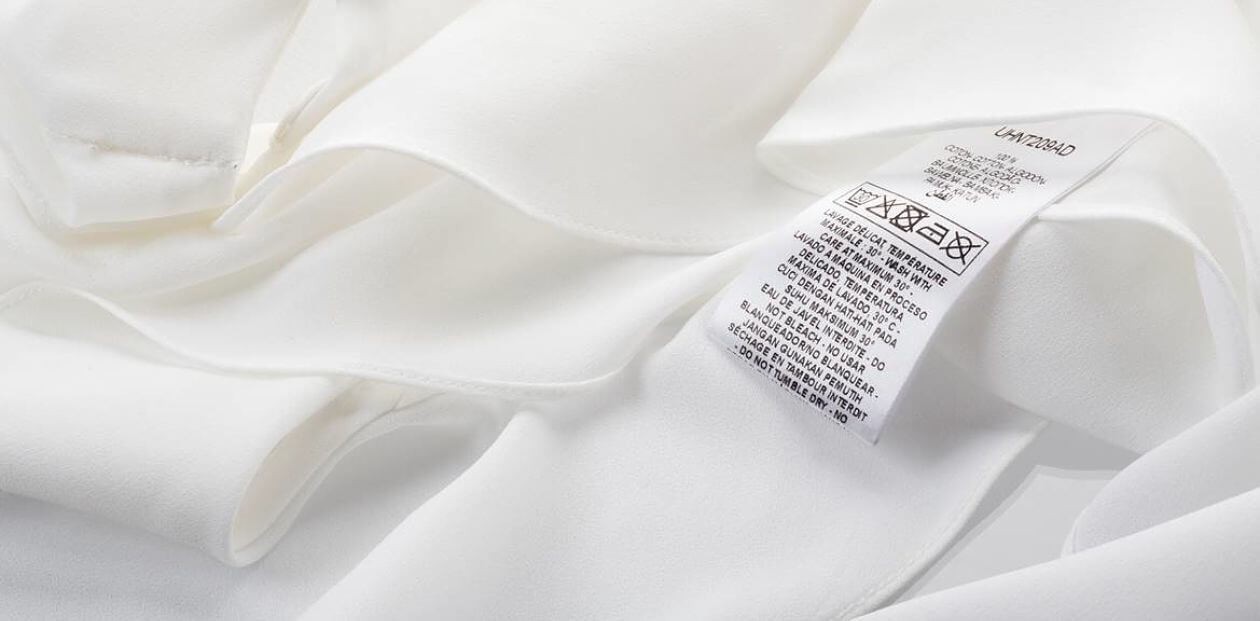
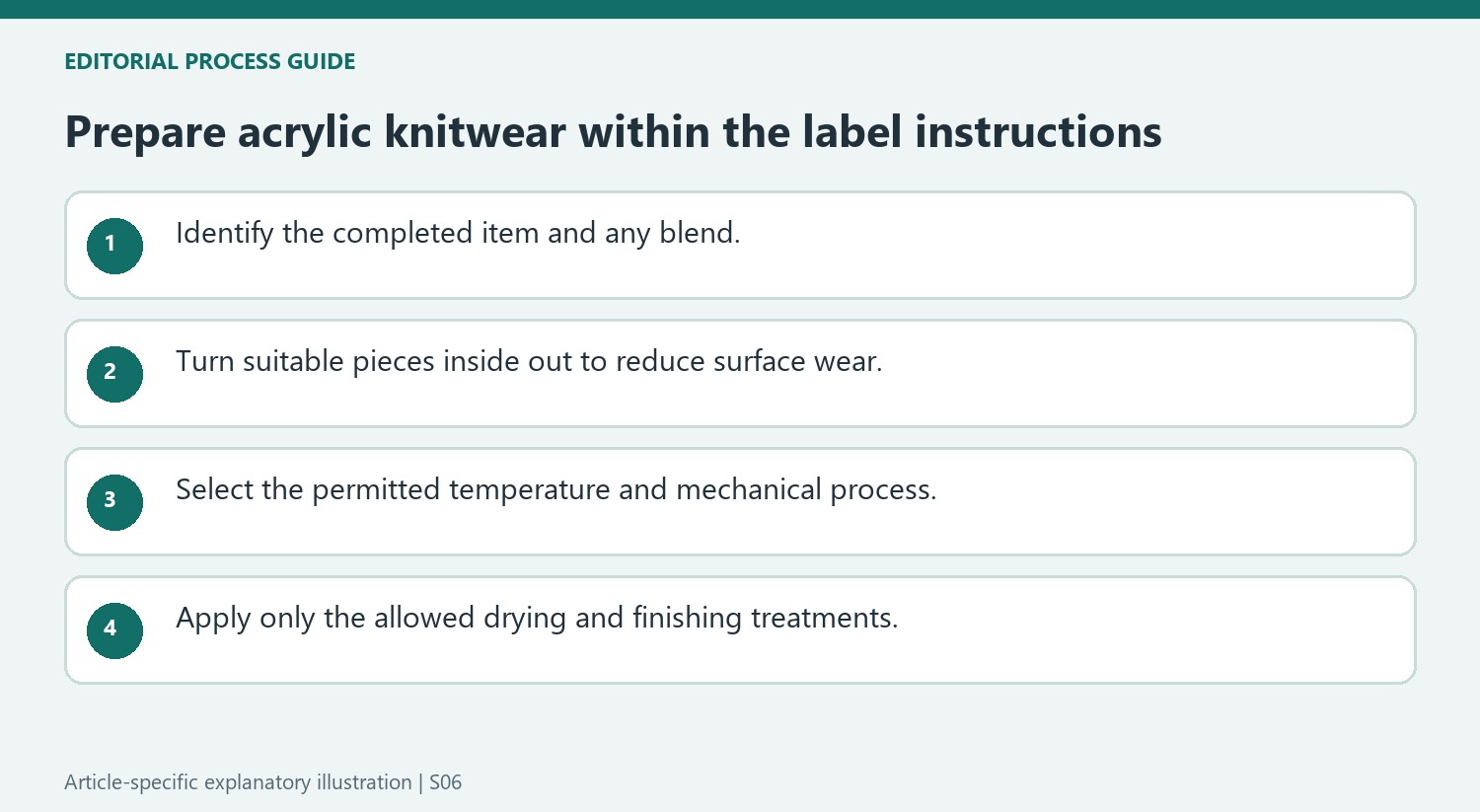
Acrylic is a manufactured fiber that can be used alone or blended with other materials. Ariel's guide describes its use in knitwear, socks and other clothing, while directing readers to the care label before washing. That direction matters because a blend and its finished construction may need a different process from another acrylic item. The appearance of a sweater is not a complete guide to its treatment. Identify what the particular garment permits before choosing a program, detergent or drying method for the load.
Turn suitable items inside out before washing
For garments that permit machine washing, the source recommends turning them inside out to help reduce surface pilling. Its general washing advice favors cold water and a temperature no higher than 30 degrees Celsius, subject to the product's own instruction. Read the label for any more restrictive requirement. This keeps a simple preparation step from being mistaken for universal protection: turning an item inside out does not make an unsuitable cycle acceptable. Select detergent and any optional laundry products according to their directions and the garment's actual needs.
Keep drying and ironing within the label's limits
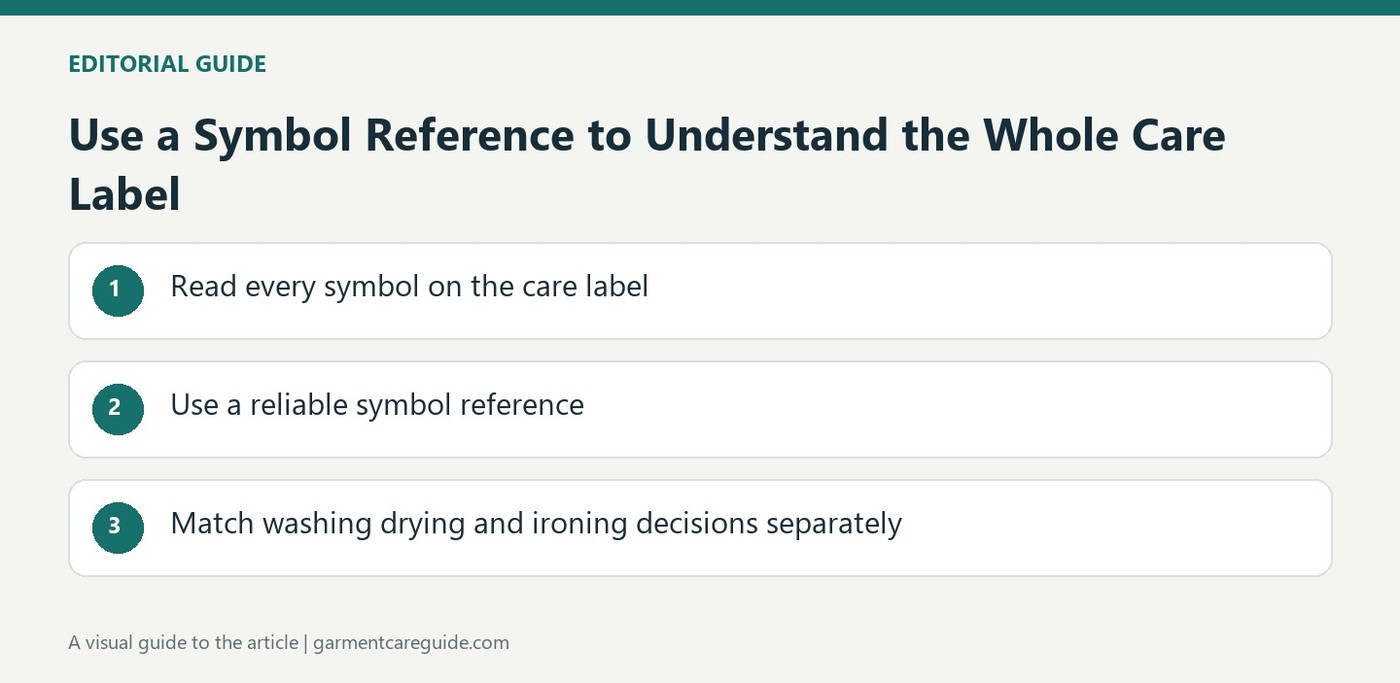
Ariel discusses cool machine drying where allowed and removing items when the cycle is finished. Ironing is conditional as well, with the label governing the appropriate temperature. Avoid treating synthetic fiber content as permission for unrestricted heat. The guide also recommends storage in a cool, dry place away from direct sunlight. Those finishing choices are relevant even after a carefully selected wash. A consistent routine checks the whole sequence, from preparation through drying and pressing, so the settings remain appropriate for the same finished garment at each stage.
A wool-like surface does not establish wool care
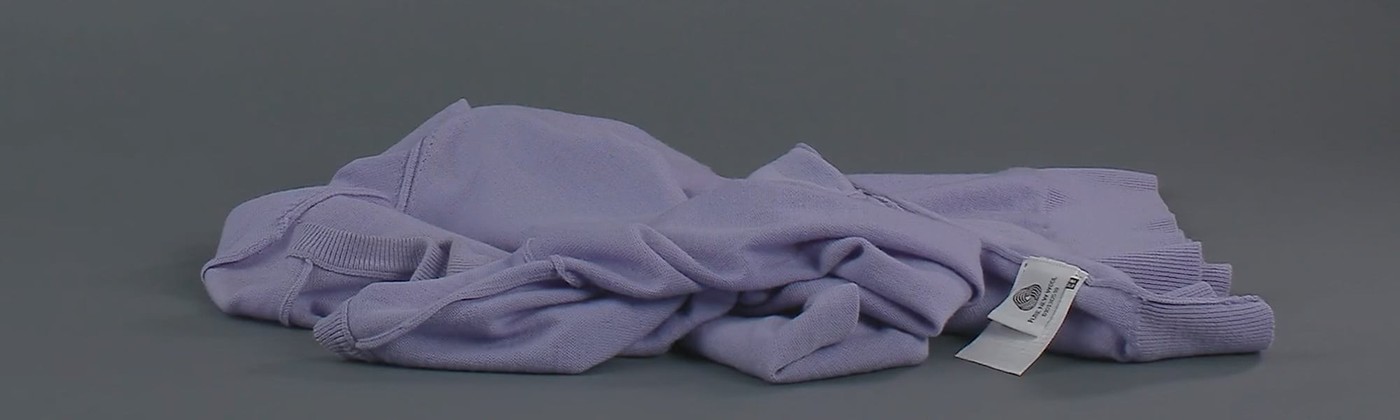
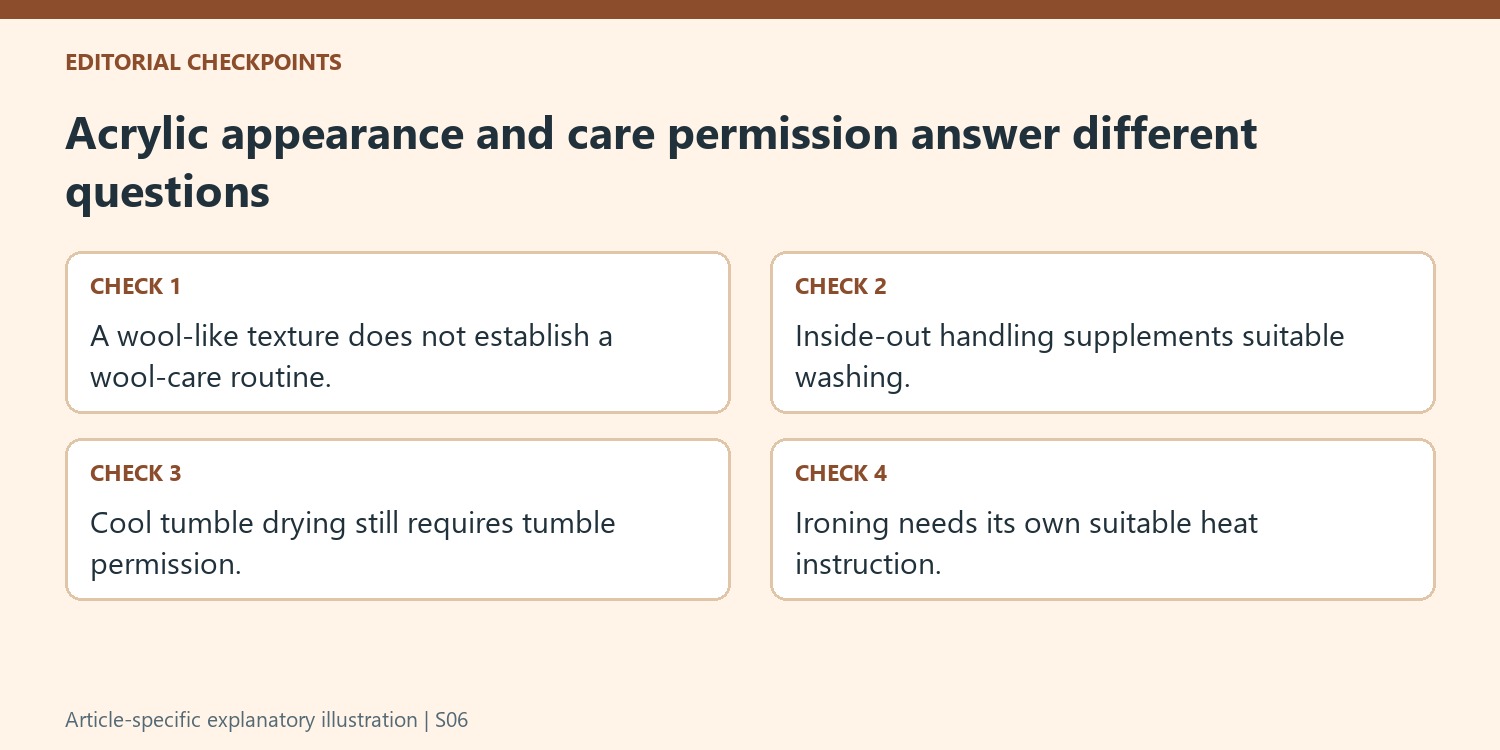
The source explains that acrylic can be made into different appearances and used in knitwear or blends. The resemblance to another fabric is therefore not a reliable instruction for washing. A soft sweater can contain acrylic with additional fibers and finishes whose care needs belong to the completed item. Read the tag instead of assigning a familiar wool routine or an unrestricted synthetic-clothing program from appearance alone. This also avoids relying on a broad claim that a manufactured fiber cannot change shape. The supplied garment's instructions remain the practical reference for temperature, action, detergent, drying, and any finishing required, regardless of how familiar its texture feels when it is first purchased.
Inside-out preparation supplements the permitted process
Ariel recommends turning suitable garments inside out to reduce surface pilling during laundering. This step belongs alongside the allowed program and temperature; it does not authorize an otherwise unsuitable wash. The guide's general cold-water recommendation includes a ceiling of thirty degrees Celsius, while a more restrictive item label still governs. Check the actual directions before combining garments. Detergent and any optional conditioner need their own suitability and dosing information. These decisions work together rather than cancelling one another. A reversed surface offers additional protection within the process, while the machine settings determine the water and mechanical treatment that the entire garment will receive throughout the chosen cycle. Neither adjustment should be used to justify exceeding a more restrictive instruction on that garment.
Finish promptly within the heat limits
Where tumble drying is permitted, the source favors cool treatment and removing garments as soon as the cycle ends. That instruction is separate from permission to machine wash. A garment marked against tumbling needs its specified alternative even if the dryer has a cooler setting. Ironing is conditional as well, with the actual care label determining the suitable heat. Storage in a cool, dry place away from direct sunlight completes the guide's routine. These finishing choices matter because acrylic content does not confer unlimited heat tolerance on the finished item. Keep the same product-specific information available after washing instead of replacing it with a default drying or pressing habit used for unrelated clothing.
References
- How to wash acrylic. Ariel.