GarmentCare Guide
Begin with the garment's machine-wash permission
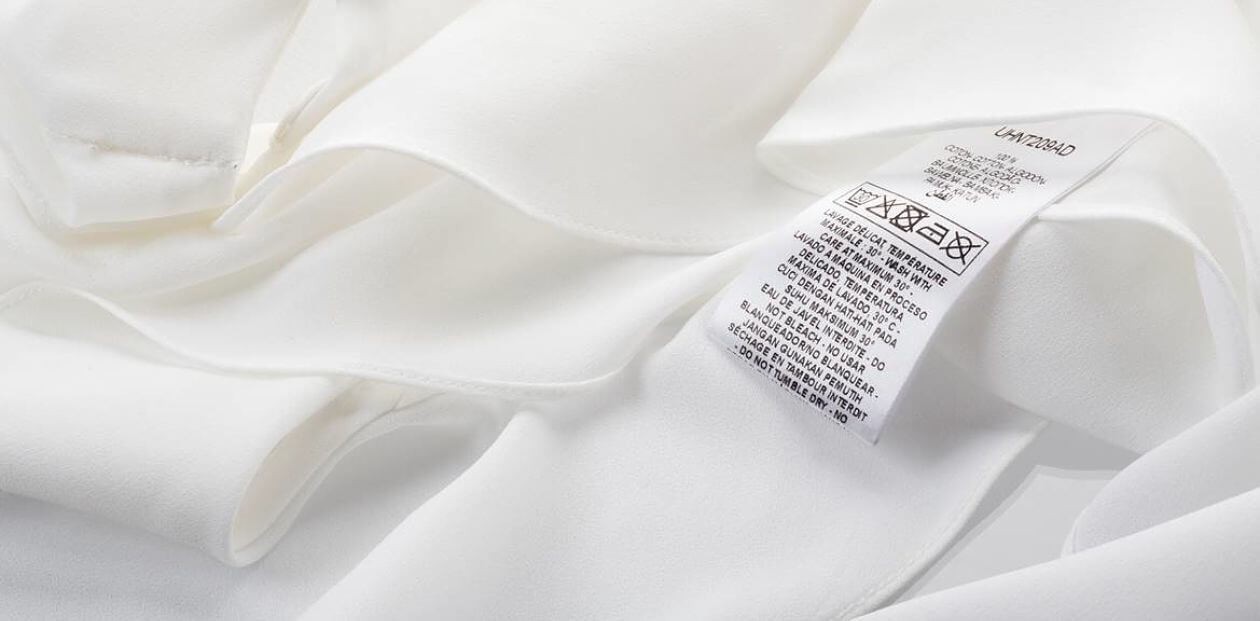
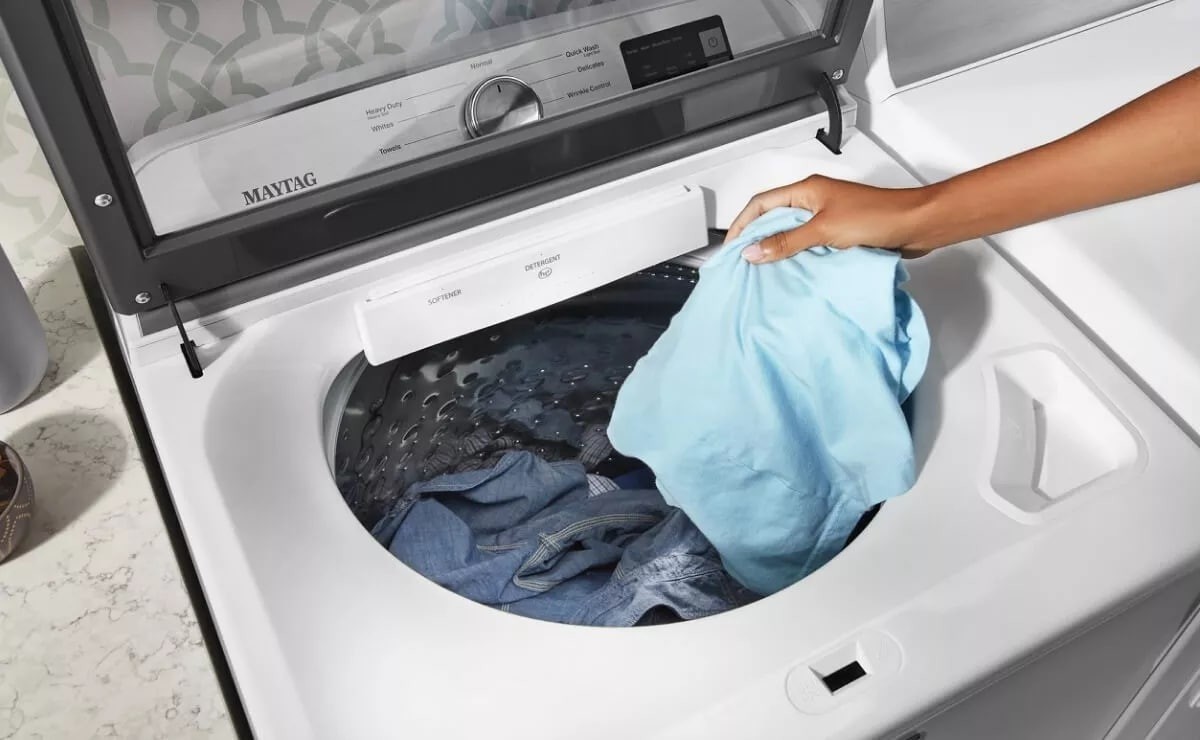
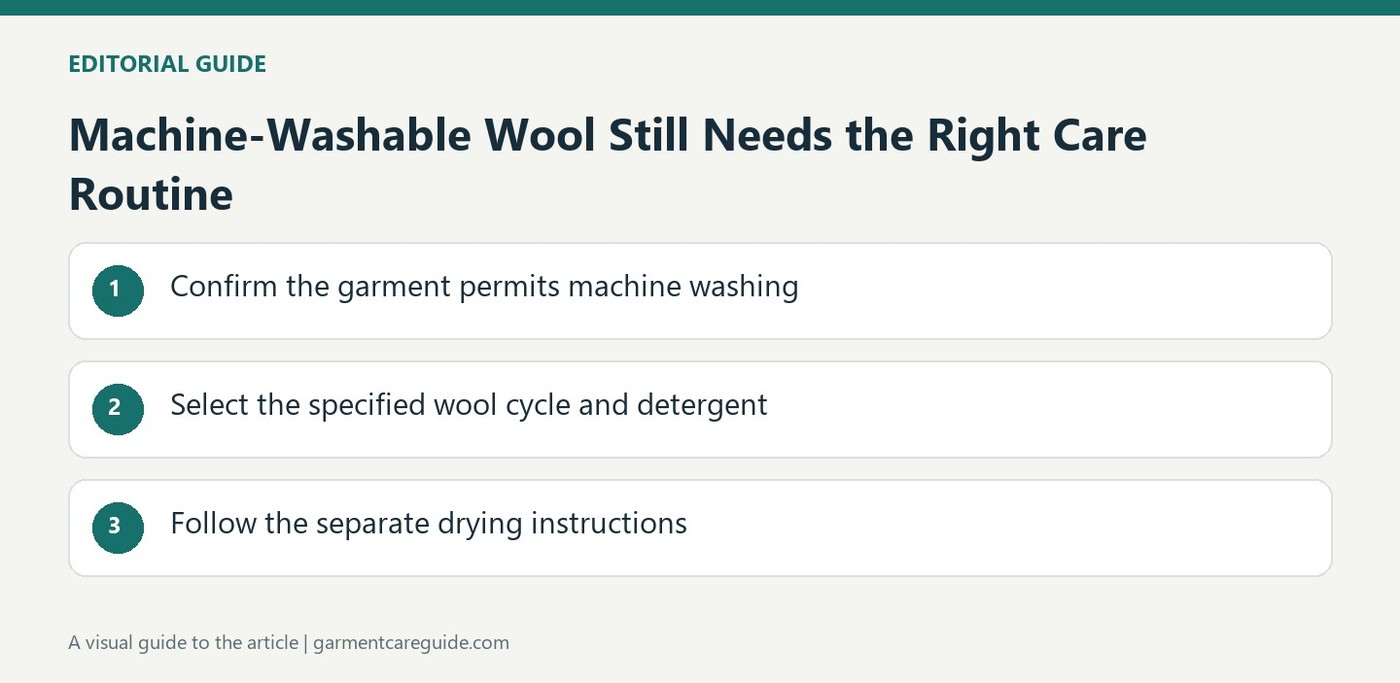
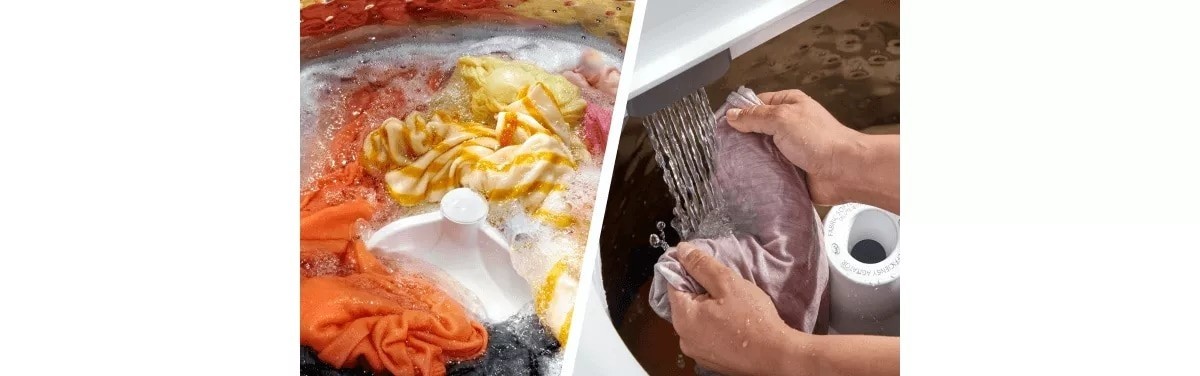
Whirlpool distinguishes delicate and hand-wash programs by their agitation and spin behavior, while noting that both aim to handle sensitive items more gently. The actual settings depend on the appliance. Before comparing programs, read the garment's label for permission to machine wash. A cycle that imitates hand washing is still a machine process, and the guide advises against using a delicate program for a garment marked hand wash only. This prevents the name of a button from replacing the instructions supplied for the clothing.
Detergent and settings complete the wash choice
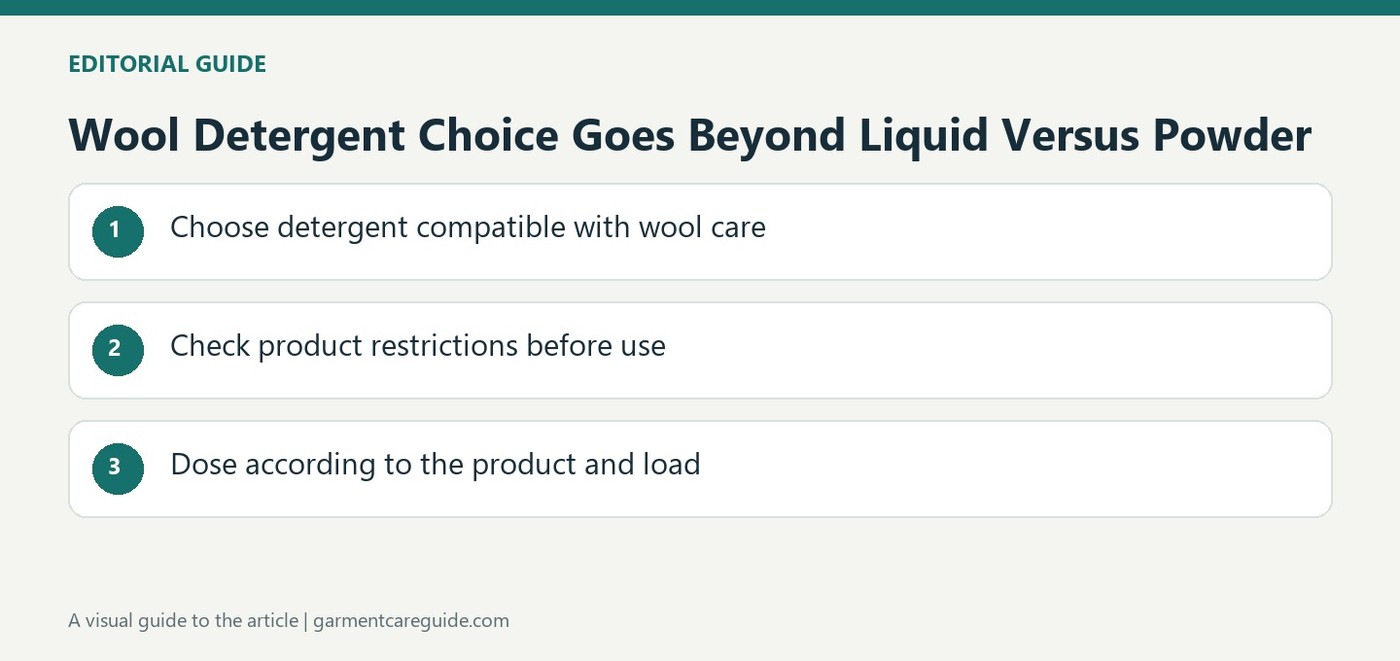
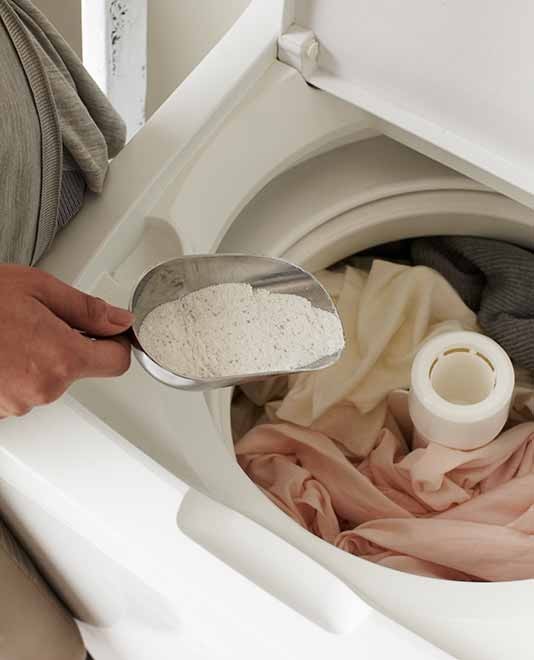
For items that can be machine washed gently, consider the permitted temperature, soil setting and spin level rather than relying on the program title alone. Whirlpool also points to detergent selection and proper dosing as part of the process. Too much product can contribute to residue, so follow the directions for the detergent and the load. A lightly soiled blouse and a heavily soiled garment do not automatically call for the same treatment simply because both are delicate. The care claim establishes the allowed boundaries within which a suitable routine can be chosen.

Decide how to support the wet item
The source recommends checking drying instructions and highlights a mesh rack for sweaters and knitted items. This shifts attention to what happens after the wash, when handling and support still matter. Air drying may be appropriate where the label specifies it, while machine drying requires its own permission. A no-heat dryer option should only be considered when tumbling itself is allowed; it remains a rotating-drum process. Setting up the permitted drying method before washing helps avoid hanging, twisting or machine drying a wet piece simply because the correct arrangement was not ready.
Treat gentle controls as several settings to confirm
A delicate program is a starting point for understanding the washer, not the complete instruction for every sensitive-looking piece of clothing. Whirlpool discusses differences in agitation and spin and also refers to temperature and soil selection. The garment's machine-wash permission comes first, followed by checking how the actual appliance delivers the permitted treatment. Two programs with similar names can expose laundry to different conditions. Consult the manual where settings are unclear instead of assuming a lower-temperature choice also minimizes movement. The care routine needs both thermal and mechanical limits to agree with the item. This keeps the control-panel decision connected to the finished garment rather than only to a broad fiber category.
Detergent quantity belongs in the plan
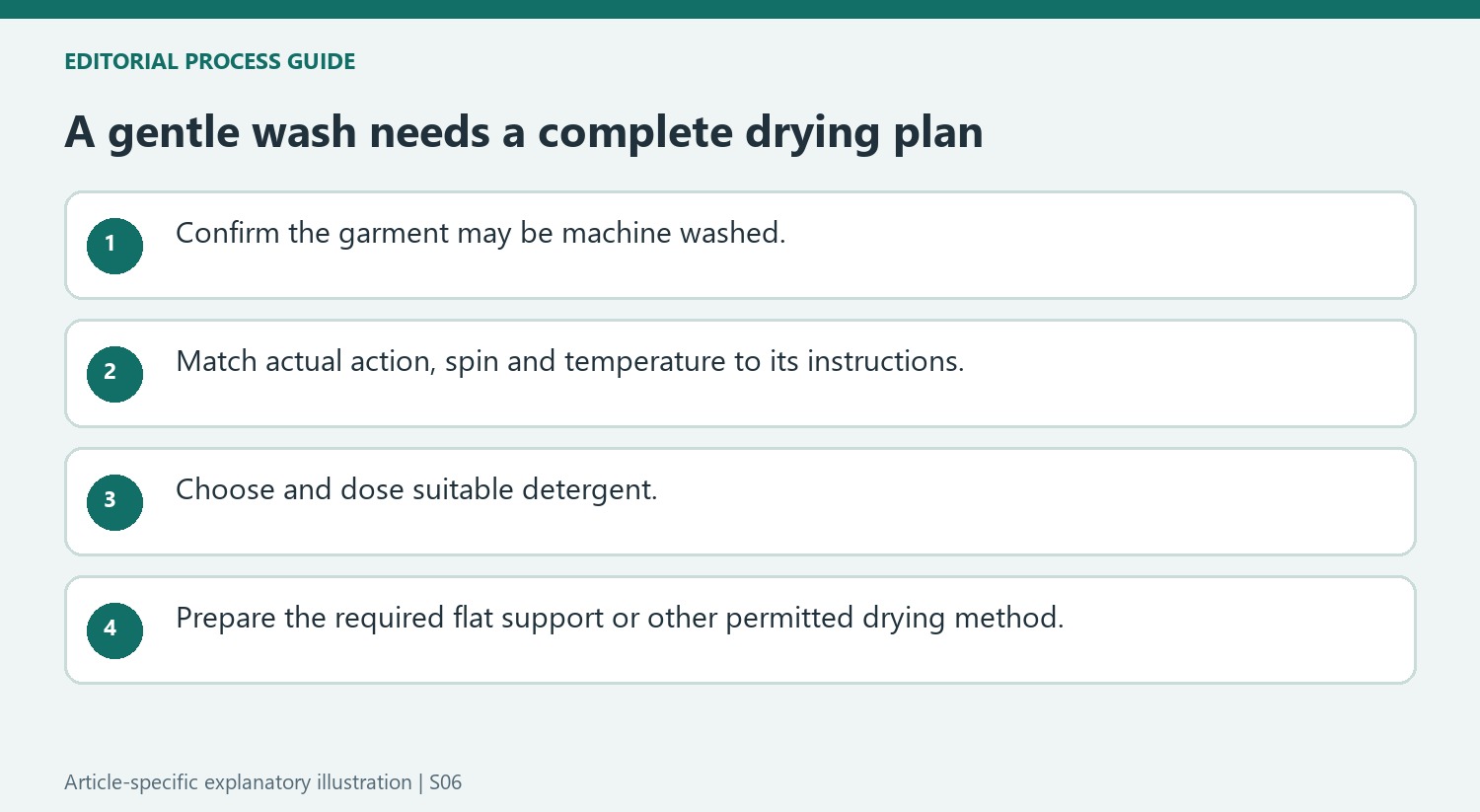
The source identifies suitable detergent and proper dosing as part of delicate care. Too much product can contribute to residue, so a gentle-sounding machine program does not remove the need to follow detergent directions. The product must also suit the actual material and any restrictions on the item. Lightly soiled clothing and a heavily marked piece may need different decisions within their care limits. Identify any stain before selecting an appropriate permitted treatment rather than compensating with an arbitrary extra dose. A useful wash plan therefore includes garment permission, settings, product suitability, and amount together. Each addresses a different part of the process, and none should be treated as a replacement for the others.
Arrange the drying position before starting the washer
Whirlpool's drying advice draws attention to a mesh rack for sweaters and knitted pieces. The important decision is how the wet article will be supported according to its label. A flat arrangement differs from a hanger, and a no-heat dryer still tumbles the contents. Use it only where that movement is permitted. Preparing the correct space in advance avoids an improvised transfer when the washing cycle ends. This is particularly useful for delicate loads containing several pieces with different drying requirements. Successful washing does not establish permission for every later step, so keep the garment instructions available through water removal, support, and any finishing instead of treating the last washer beep as the end of care.