GarmentCare Guide
Refresh before automatically washing
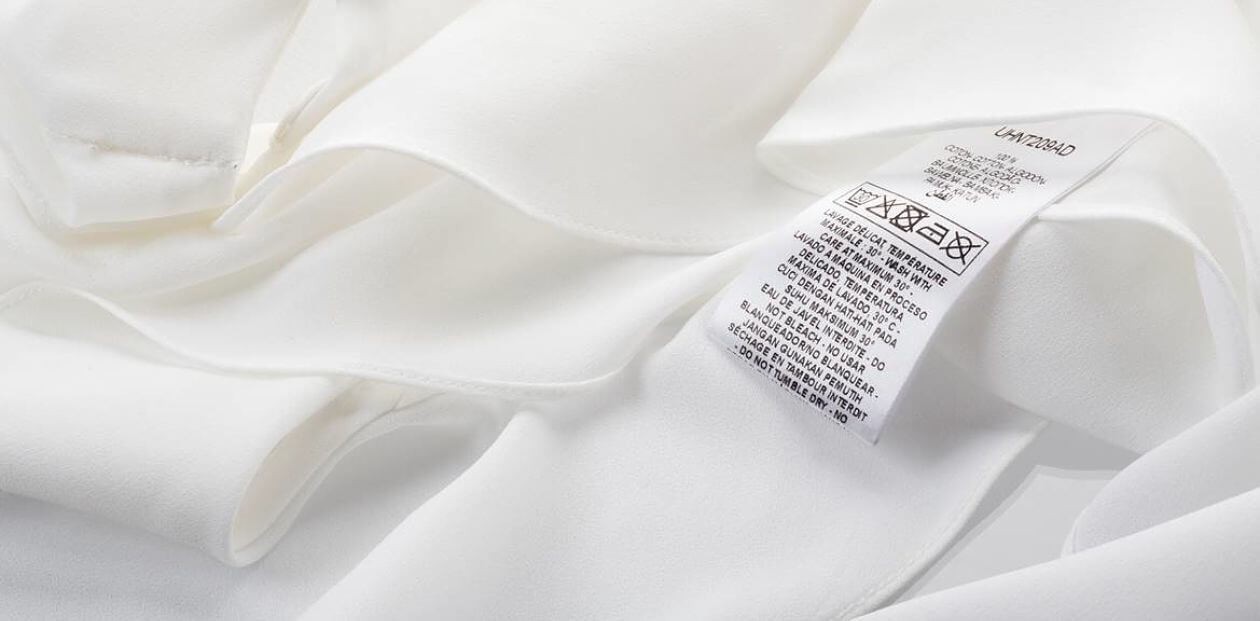
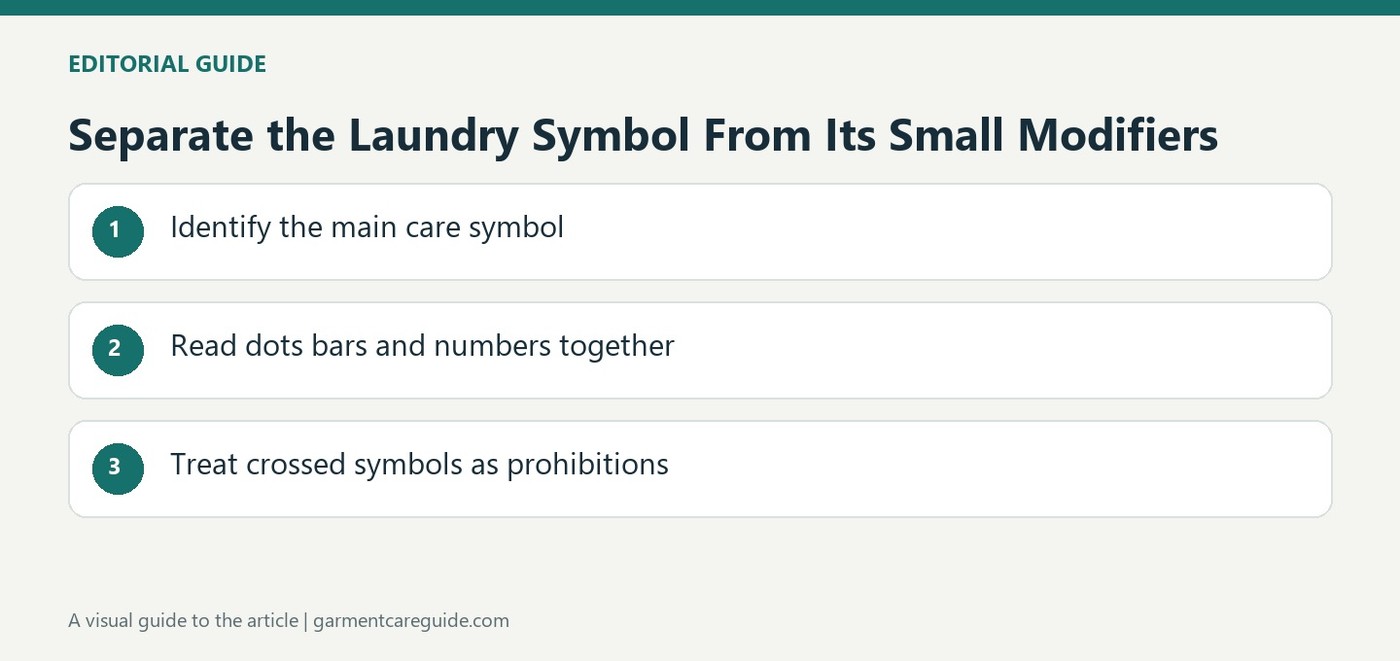
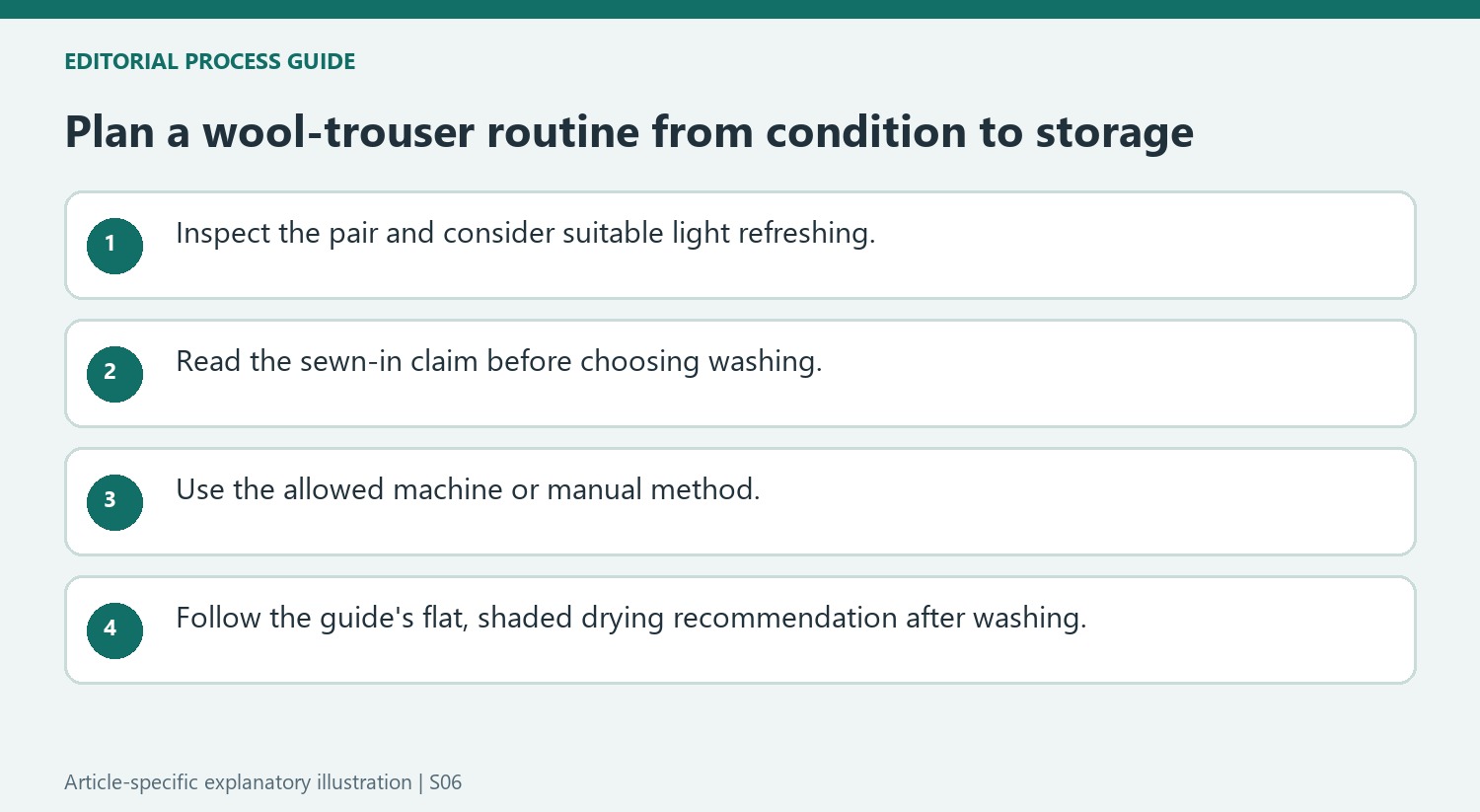
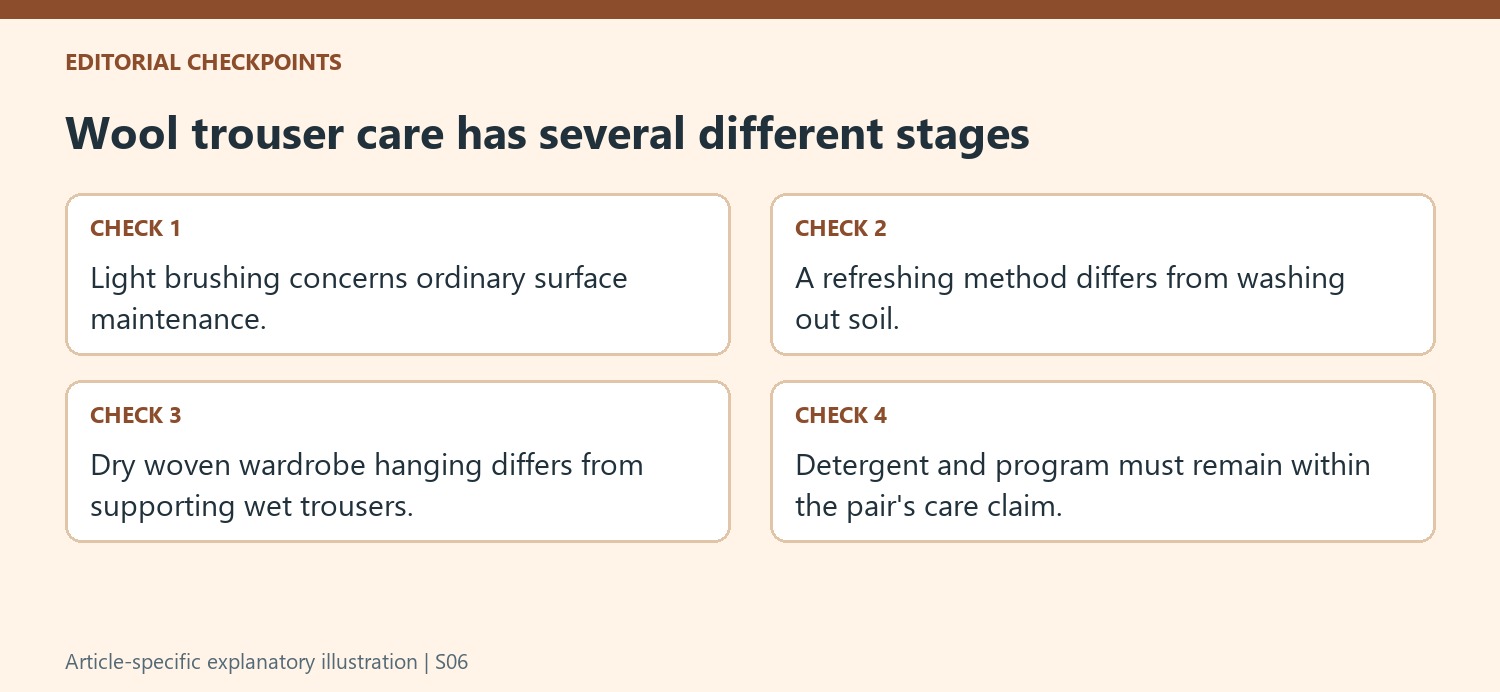
Wool trousers do not always need a complete wash after each wear. Woolmark's guide suggests light brushing and a suitable refreshing routine for suit trousers, while emphasizing that washing decisions should follow the sewn-in care claim. The finished garment may include a particular construction or treatment that is not explained by the word wool alone. Check that label before deciding between machine washing, hand washing or professional care. Refreshing can address some routine wear, but it should not become a reason to ignore actual dirt or an unresolved stain.
Choose the route allowed by the label
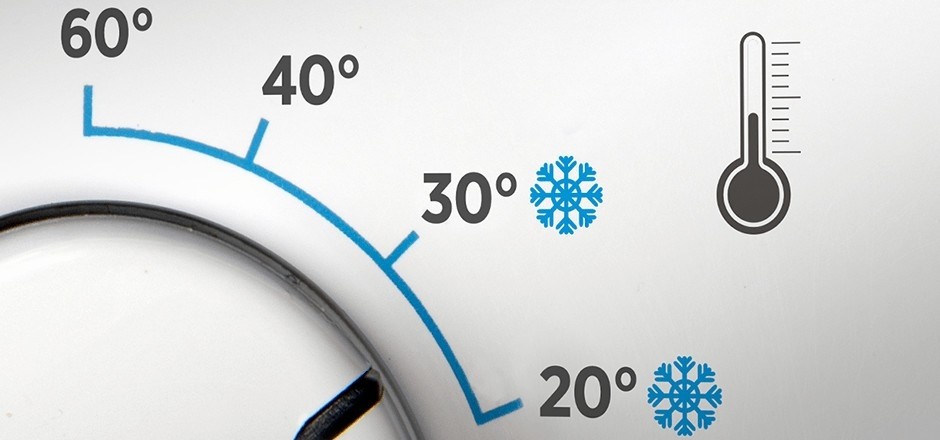
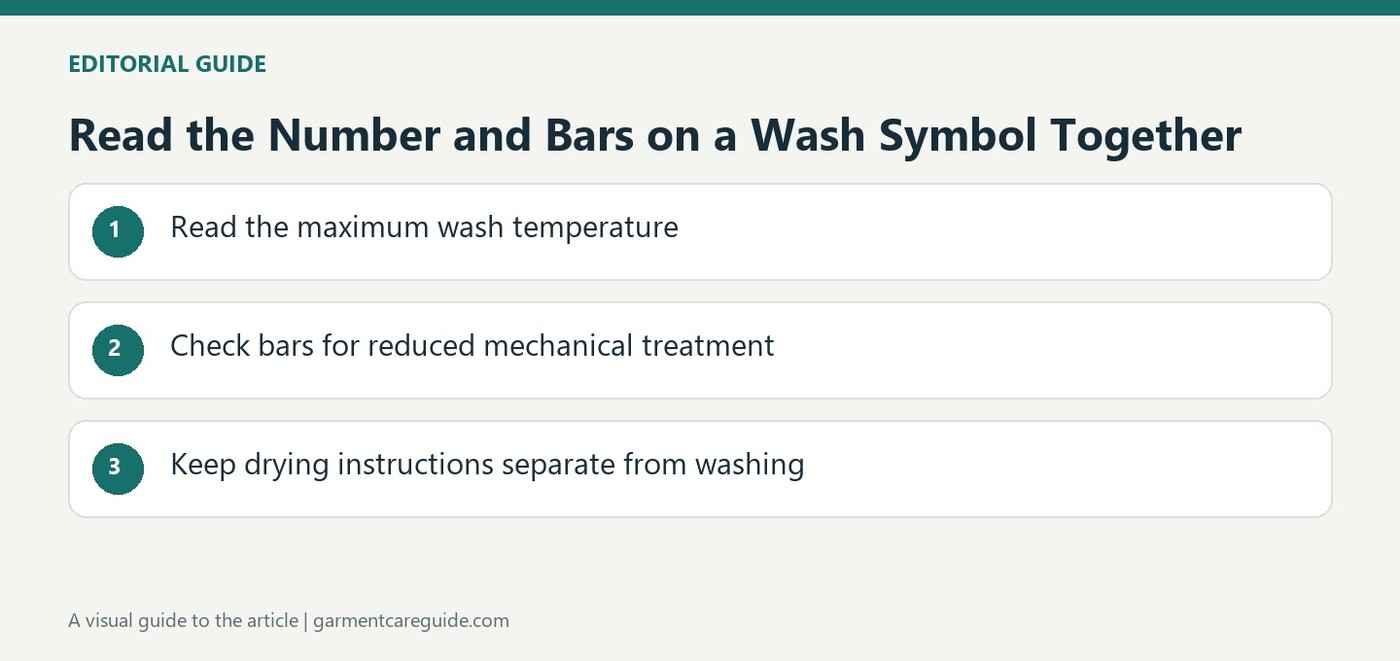
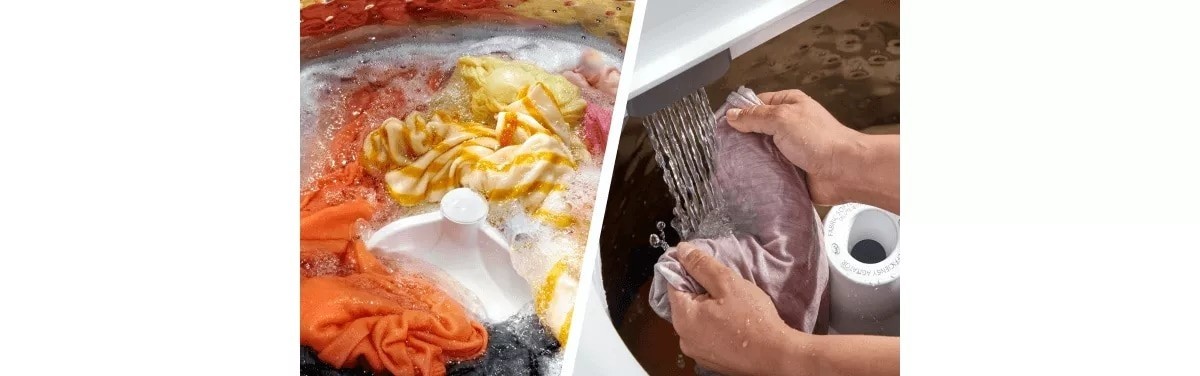
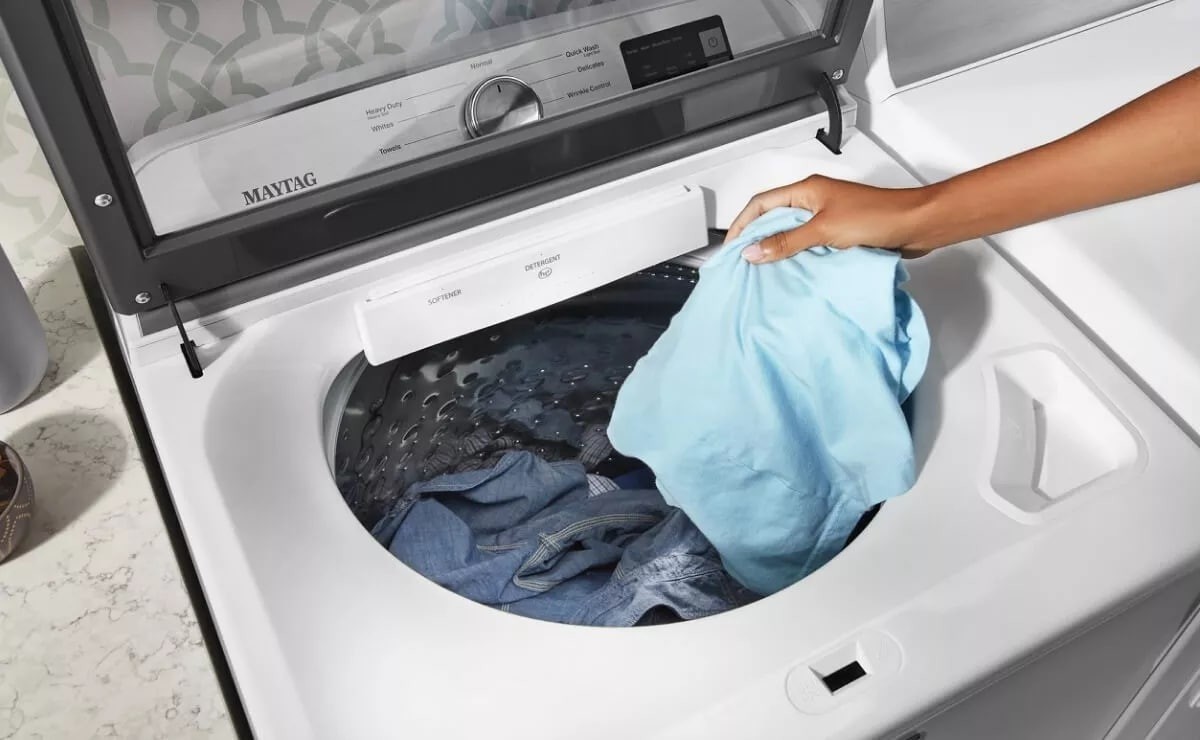
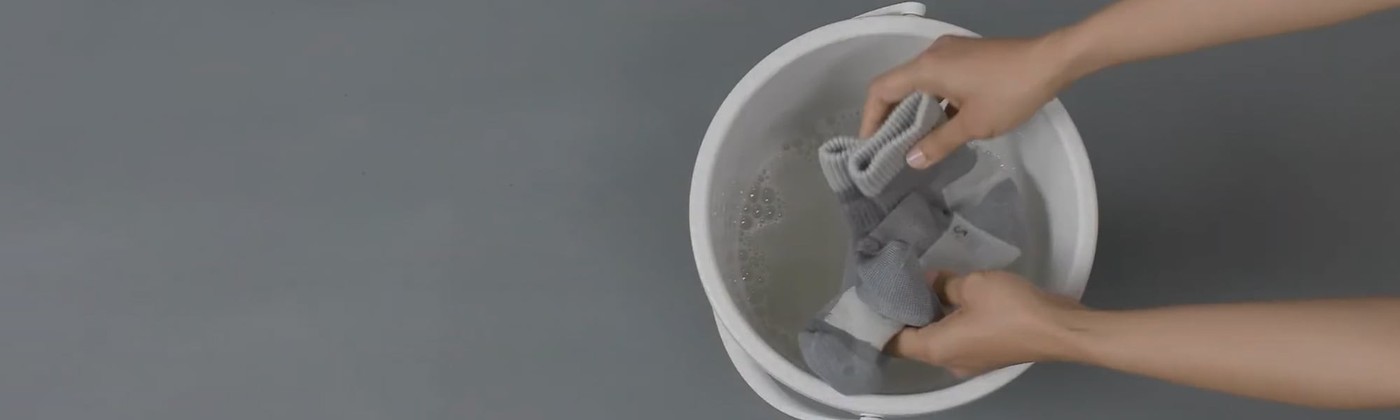
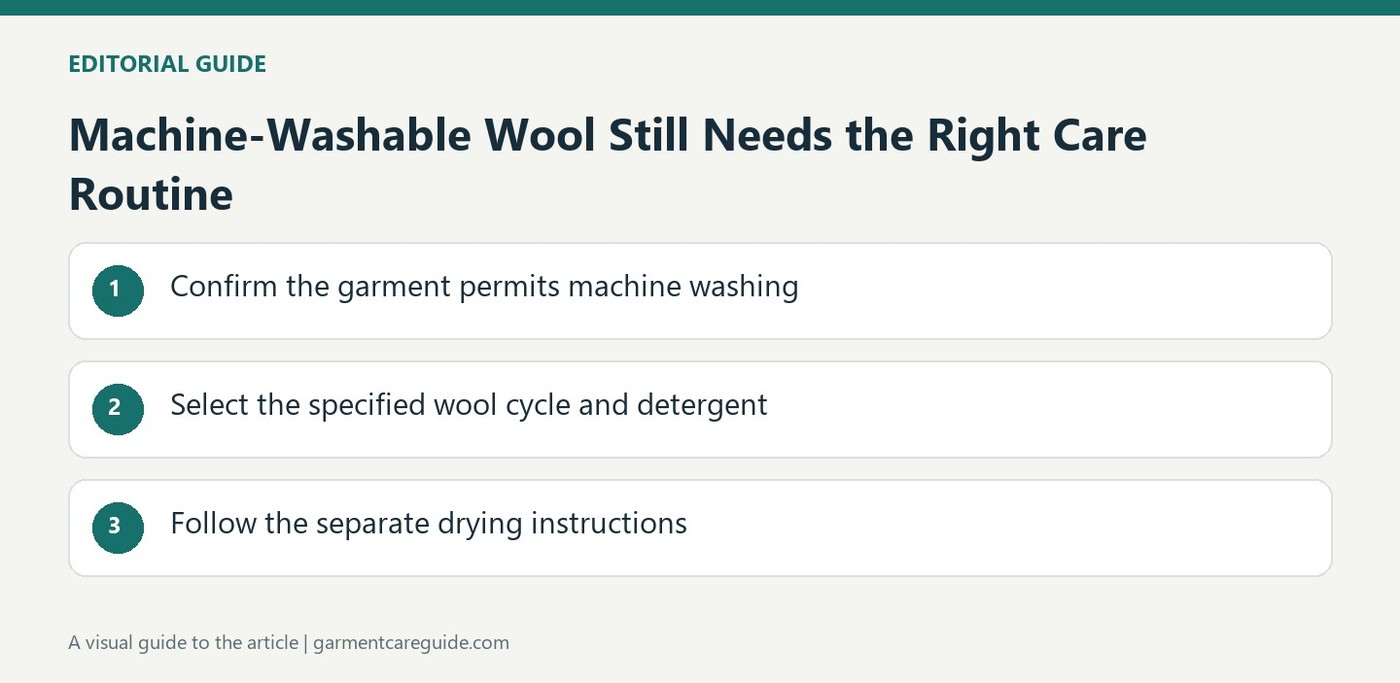
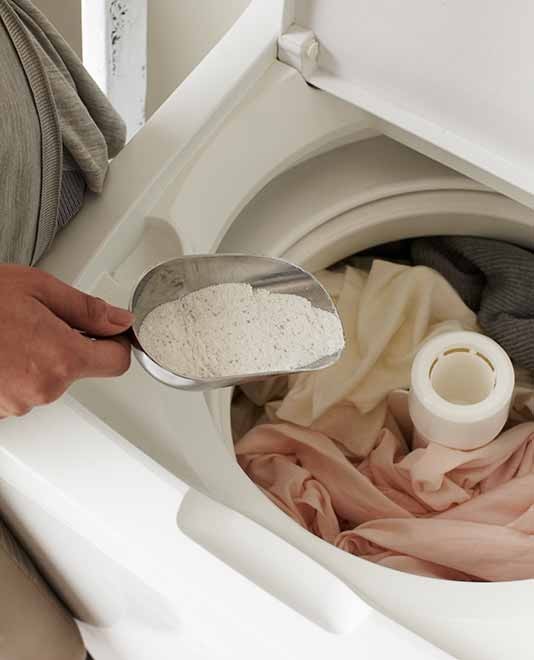
For trousers bearing the appropriate machine-washable claim, Woolmark recommends turning them inside out and selecting the wool program with a mild, gentle detergent. Its general alternative is a cold or delicate program where a wool cycle is unavailable, within the item's stated limits. Hand-wash-only trousers follow a different routine using clean, lukewarm water and gentle detergent, followed by thorough rinsing. These instructions describe permitted approaches for specific claims. A gentle-sounding cycle is not sufficient evidence that a garment labeled for another method can be treated the same way.
Dry the washed trousers away from sunlight
Woolmark's washing guide recommends drying the trousers flat and keeping them out of direct sunlight after washing. That advice is important to distinguish from hanging dry woven trousers between wears: supporting a wet garment is a separate situation from routine wardrobe storage. Plan a suitable drying space before the wash begins, especially if several items are being cleaned. Retain the care information so later decisions remain tied to the particular pair. Treating preparation, washing and drying as one sequence helps maintain a consistent routine instead of making each choice independently while the fabric is wet.
Refreshing is a different decision from washing
The guide suggests light brushing and a suitable steam refresh for wool suit trousers between full cleaning sessions. That can address some ordinary wear and creasing, but it is not the same process as washing out a stain or removing accumulated soil. Inspect the pair before deciding what is needed. The sewn-in care claim then establishes which cleaning methods are allowed. This is especially relevant for tailored trousers, where the completed construction may include features not described by the word wool alone. A successful routine used on another pair does not automatically transfer. Keep the decision tied to the actual condition and instructions of the trousers being handled.
Inside-out preparation supports both permitted routes
Woolmark begins its machine and manual washing instructions by turning the trousers inside out. Suitable mild detergent and controlled treatment then follow within the route authorized for the pair. Machine-washable trousers use the appropriate wool program, while hand-wash-only trousers follow the separate lukewarm-water method. A general temperature mentioned in the guide is still subject to any lower limit on the garment. The two approaches should not be combined simply because they share detergent advice. Identify the permission first, prepare the item, and understand the chosen equipment where relevant. This gives a complete washing plan instead of relying on one apparently protective step to make an otherwise unsuitable treatment acceptable.
Wet drying is not the same as wardrobe hanging
The source's washing directions recommend drying the trousers flat and away from direct sunlight. That is a distinct situation from hanging a dry woven garment between wears. The weight and handling of the freshly washed item need their own plan. Prepare the required surface before starting, especially where several pieces are being washed at once. After drying, the routine can return to appropriate storage for the construction. Keeping those stages separate avoids using a sensible wardrobe habit as an accidental drying instruction. A clear sequence follows the pair from condition check to permitted washing, then to supported drying and later storage, with the actual care label available whenever a choice is uncertain.
References
- Washing wool pants. The Woolmark Company.