GarmentCare Guide
Permission comes from the finished garment
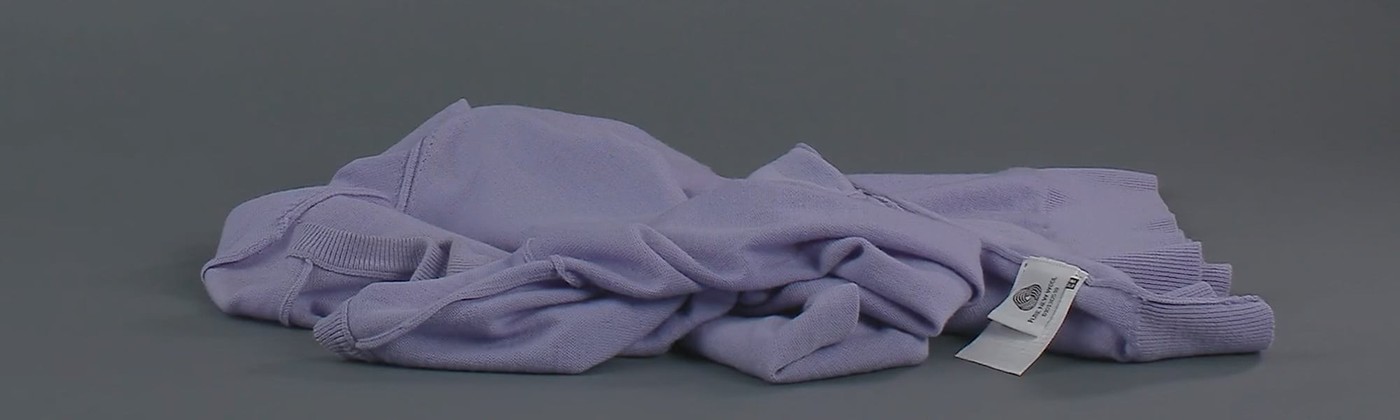
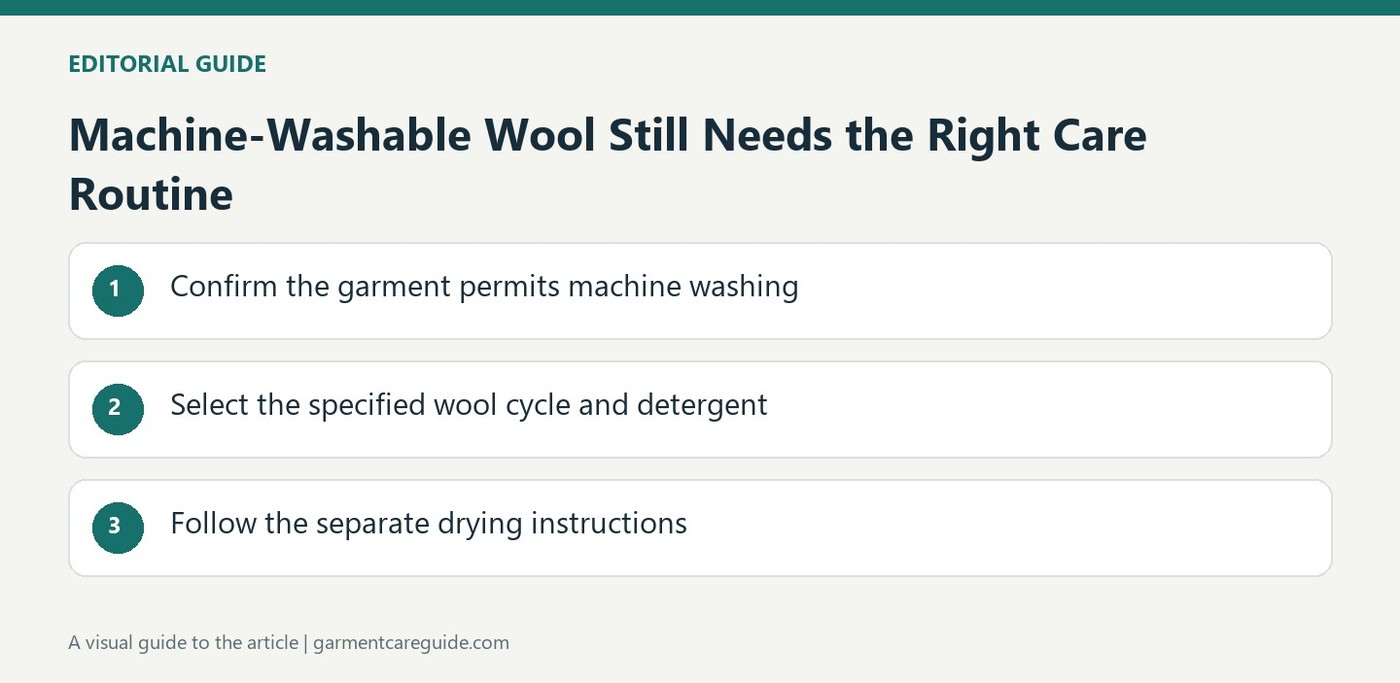
Many wool garments can be washed in a machine, but Woolmark's guidance makes that statement conditional on the care claim. A Woolmark-approved item labeled as machine washable has a different permission from one marked hand wash only. Read that instruction before selecting a cycle or copying the routine used for another garment. The fiber name alone does not explain all the construction and finishing choices. Keeping the garment's claim at the center of the decision makes machine washing a specific allowed method, rather than an assumption about every wool product.
Match the cycle and detergent to the item
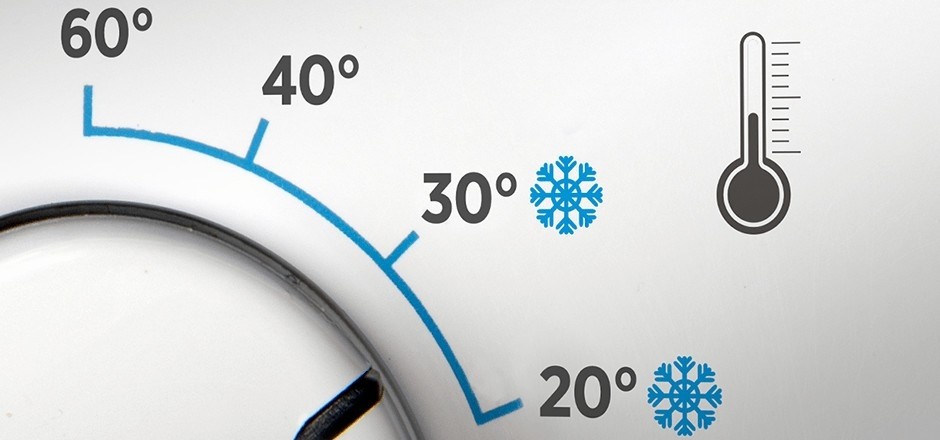
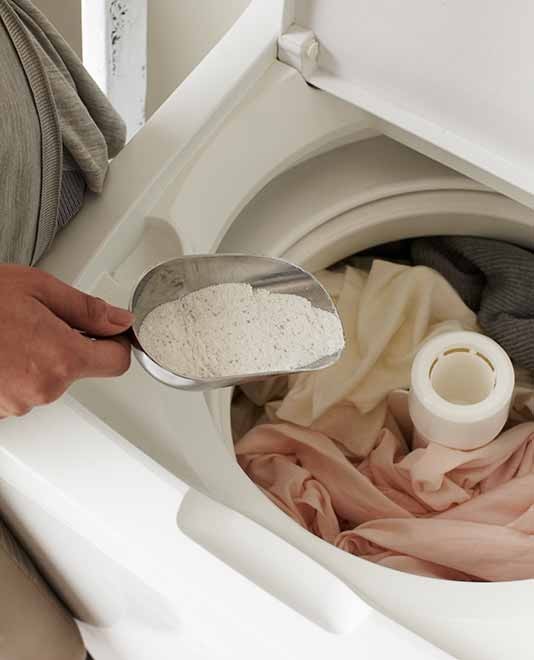
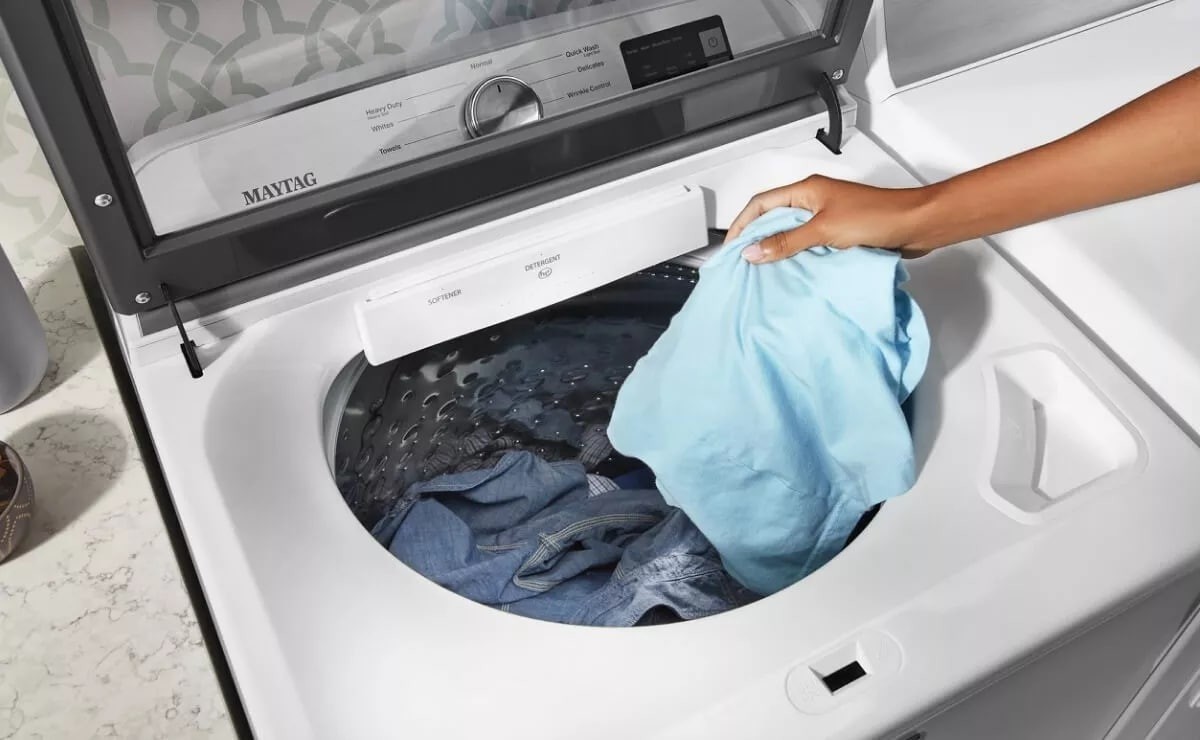
For machine-washable wool, Woolmark recommends the wool program, with the label's temperature limit governing the choice. Its general guide describes a gentle wool setting and identifies cold or delicate alternatives where an appropriate wool cycle is unavailable. The appliance manual remains useful for understanding how those programs behave. Use a neutral, mild detergent suitable for wool, following the product directions. Woolmark also notes that its Apparel Care symbol on an appliance indicates independent testing and approval. Appliance approval and the garment's washing permission are related checks, but one does not replace the other.
Plan drying before washing begins
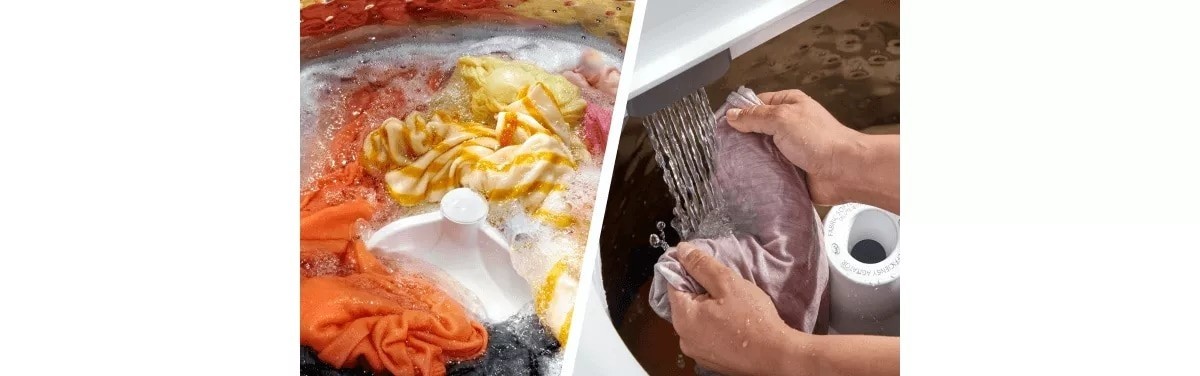
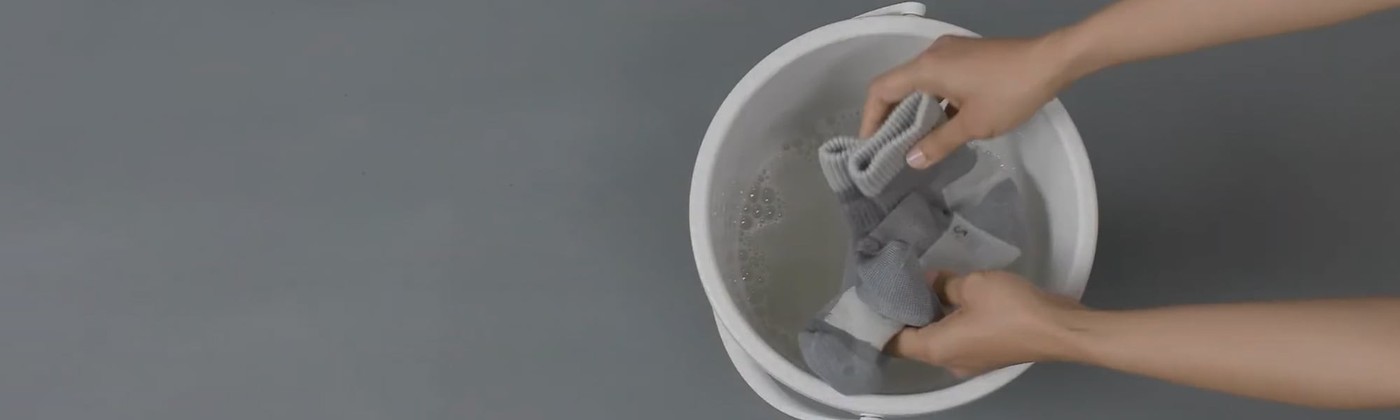
Woolmark recommends flat drying after washing in its general wool-care guide. Check the particular item for any more specific instruction before removing it from the machine. The same source provides a separate hand-washing routine for garments carrying that claim, using lukewarm water, mild detergent and thorough rinsing. These are alternative permitted routes, not steps to combine indiscriminately. By identifying the wash method and drying arrangement in advance, it becomes easier to move the garment through care without improvising while it is wet. The result is a routine based on the product rather than a blanket rule about wool.
Garment approval and appliance approval answer different questions
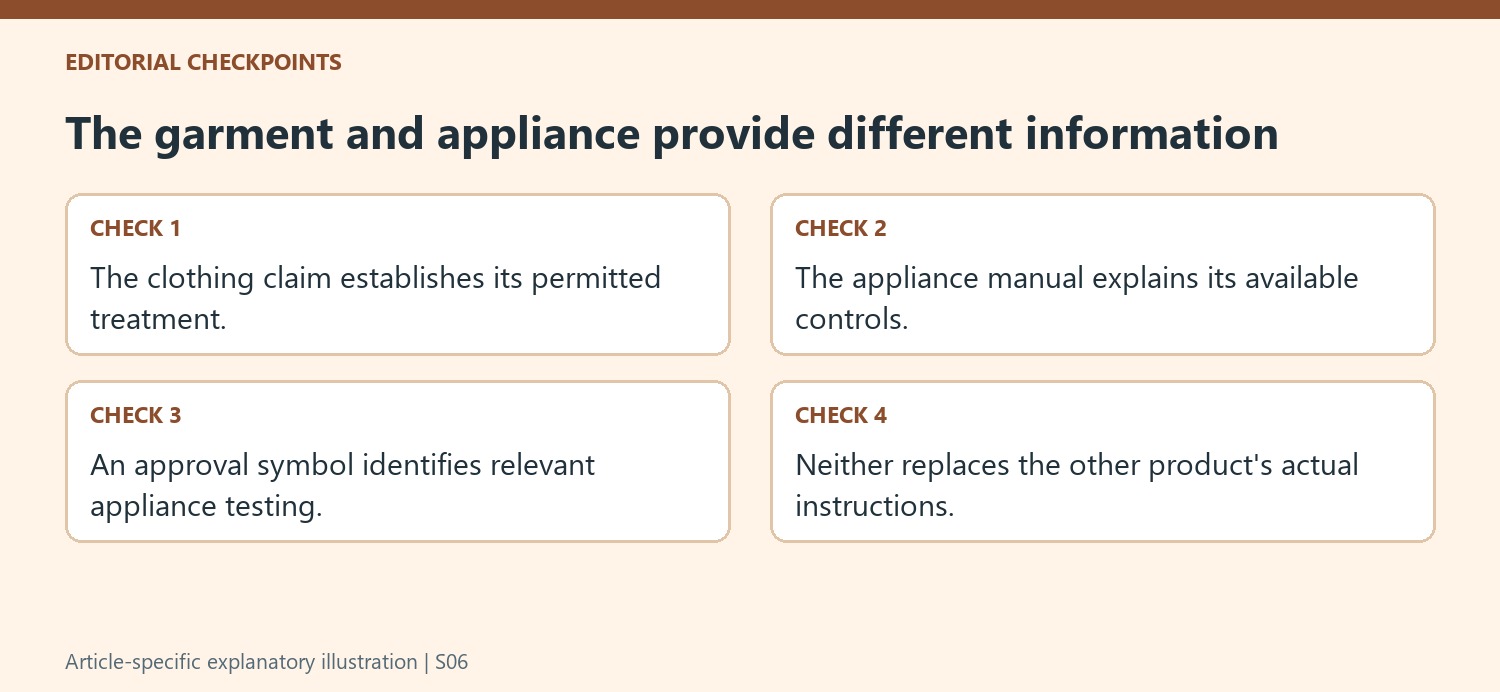
A machine can carry Woolmark's Apparel Care symbol because it has undergone the relevant testing, while a garment has its own care claim. These checks concern different products. The appliance symbol does not change an item marked hand wash only into a machine-washable article, and a machine-washable label does not identify every setting on a particular washer. Read both before selecting the program. The garment supplies permission and limits, while the appliance manual explains the available treatment. This is especially useful when replacing a washer or caring for a newly purchased knit. A familiar wool routine should not be transferred without checking whether the new combination of item and equipment supports it.
Use the cycle recommendation within the label's limit
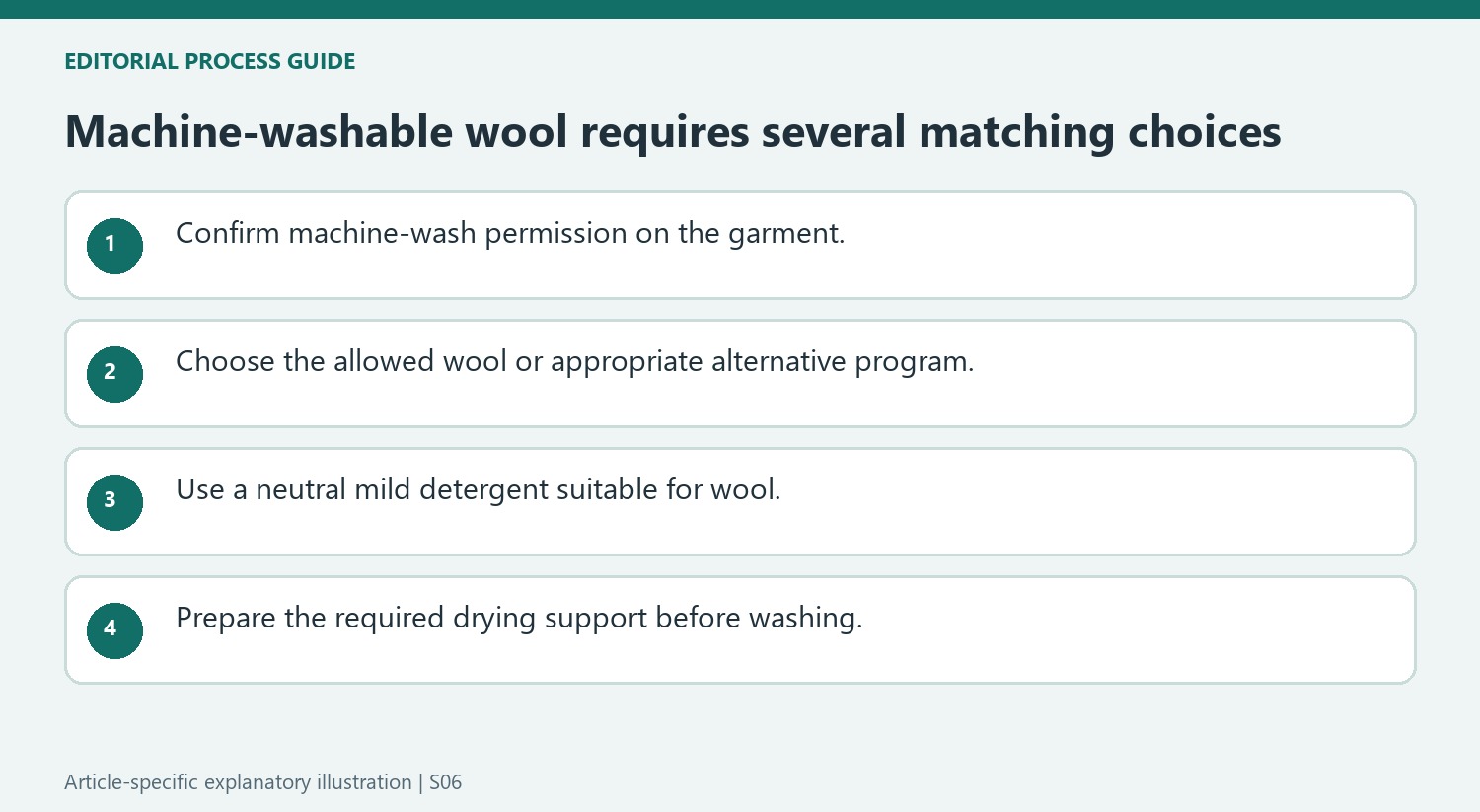
The source generally describes a wool program with gentle action and mentions cold or delicate alternatives when a wool setting is unavailable. Those options remain subject to the actual garment and the appliance instructions. A temperature quoted in a general guide should not override a lower limit printed on the item. The detergent also needs to fit the material: Woolmark recommends a neutral, mild product suitable for wool. Temperature, movement, and detergent are separate parts of the same routine. Aligning them is more reliable than assuming that one gentle-sounding choice compensates for all the others. The complete wash plan should describe the treatment the garment will actually receive from start to finish.
Prepare flat drying before the item leaves the wash
Woolmark's general recommendation is flat drying after washing, with the particular garment's directions supplying any more specific claim. Arrange the required support before starting so the damp item does not need to be left waiting or hung by default. Hand-wash-only garments follow a separate route using a suitable mild detergent and the stated water conditions, followed by thorough rinsing. These routes should remain distinct rather than combined into an improvised sequence. The useful preparation is to know washing permission, detergent, machine settings where relevant, and drying arrangement together. That makes care of the actual item more predictable and avoids treating the fiber name as if it specified every stage of the completed garment's maintenance.
References
- How to wash wool. The Woolmark Company.