GarmentCare Guide
Check permission and protect the surface
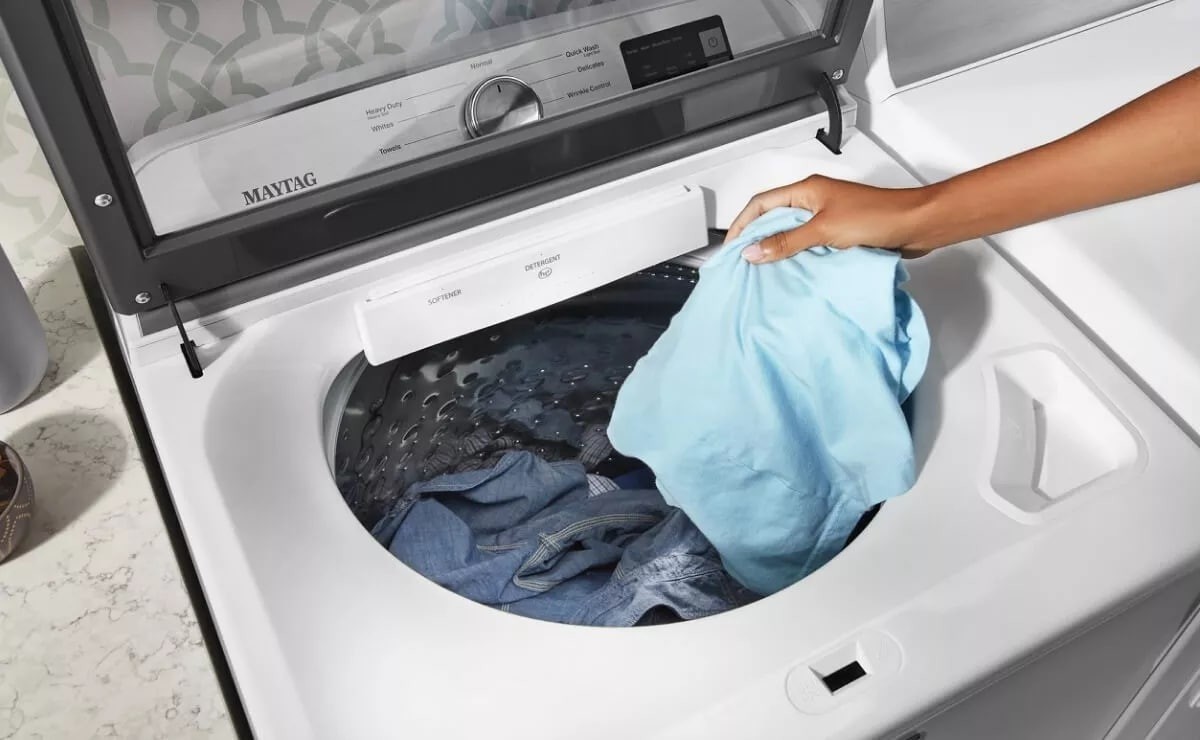
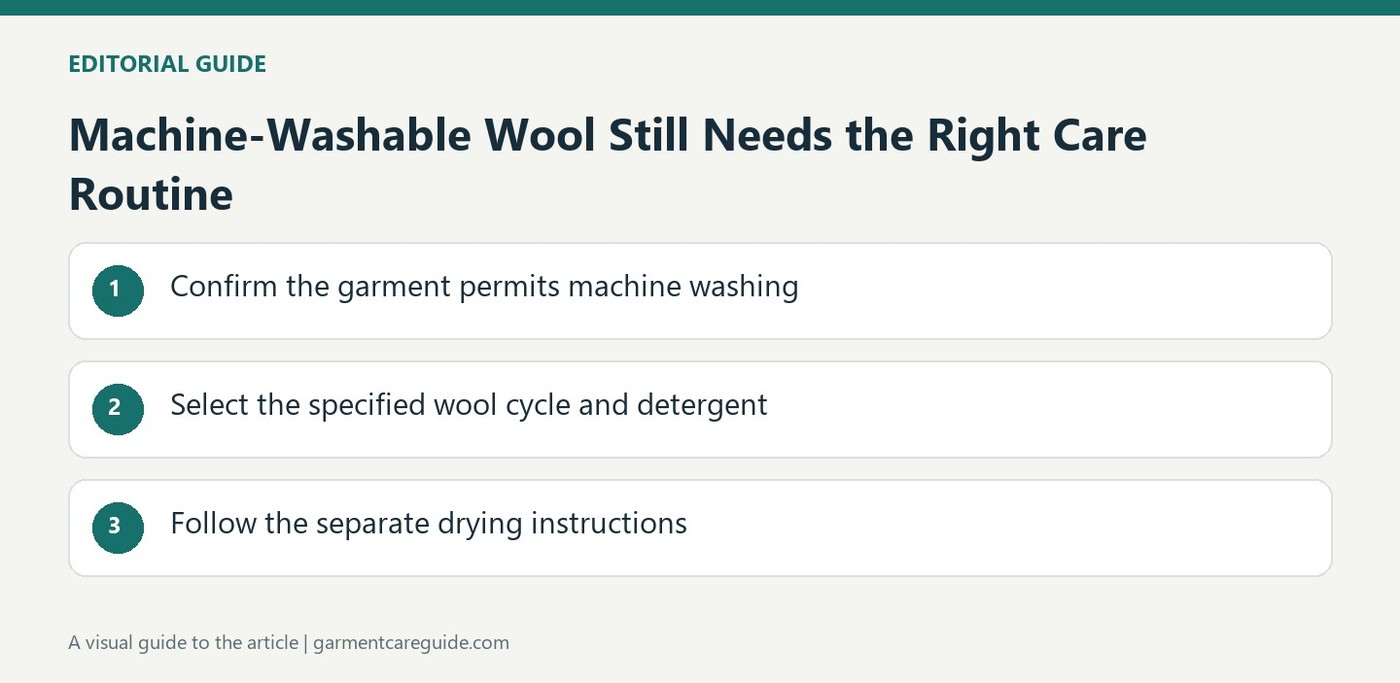
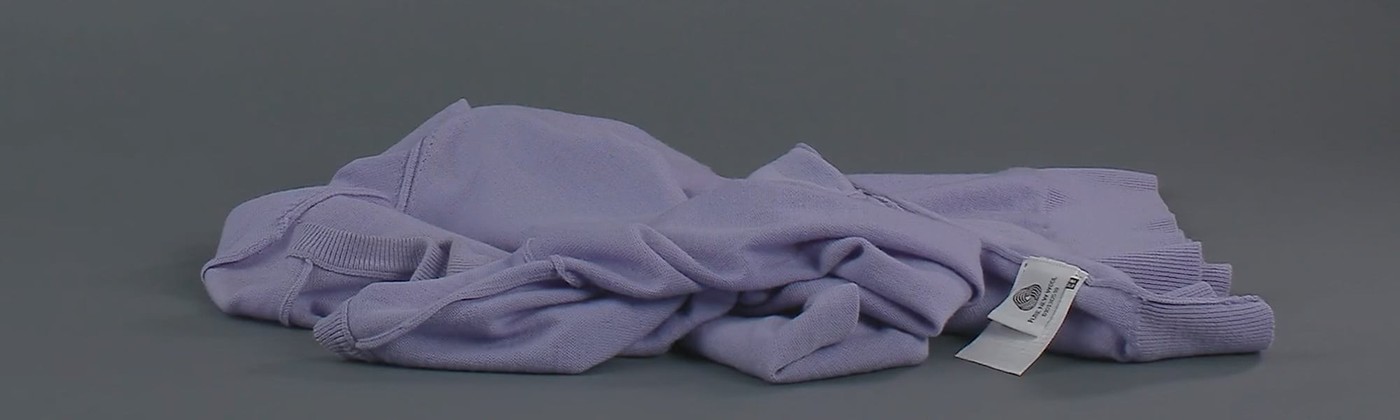
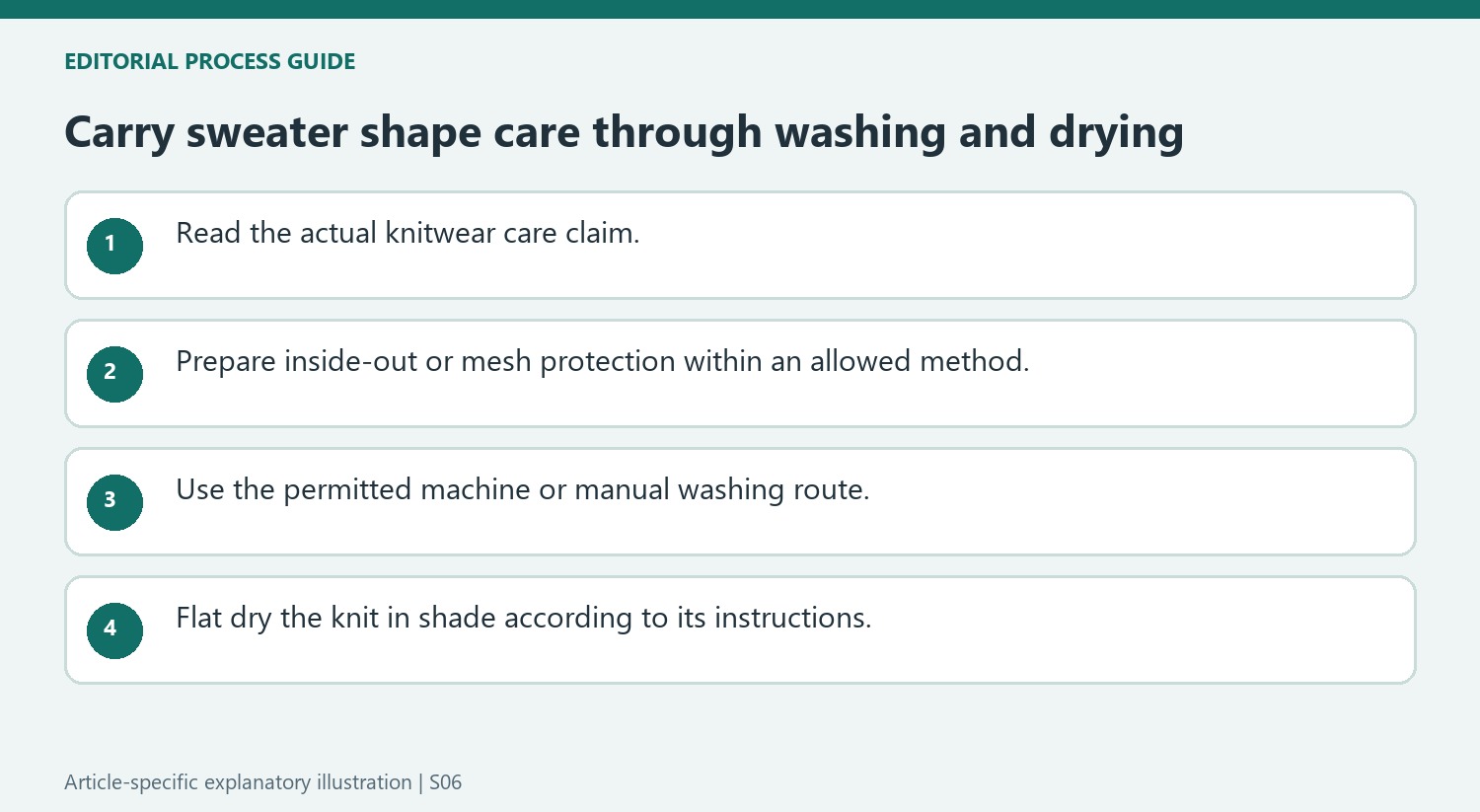
A wool sweater's care claim is the starting point for washing. Woolmark's sweater guide allows machine washing where the garment specifically permits it, rather than treating all wool knitwear alike. For an approved item, the source recommends turning it inside out or using a laundry bag, then choosing a suitable wool detergent. These preparation steps belong within an allowed washing method. They should not be interpreted as protection that makes any sweater suitable for an ordinary machine cycle, especially where the label calls for hand washing or another treatment.
Choose the appropriate washing route
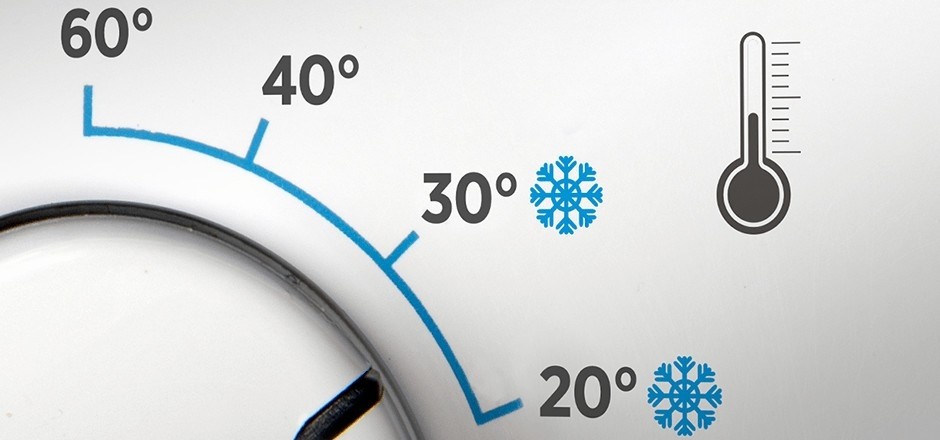
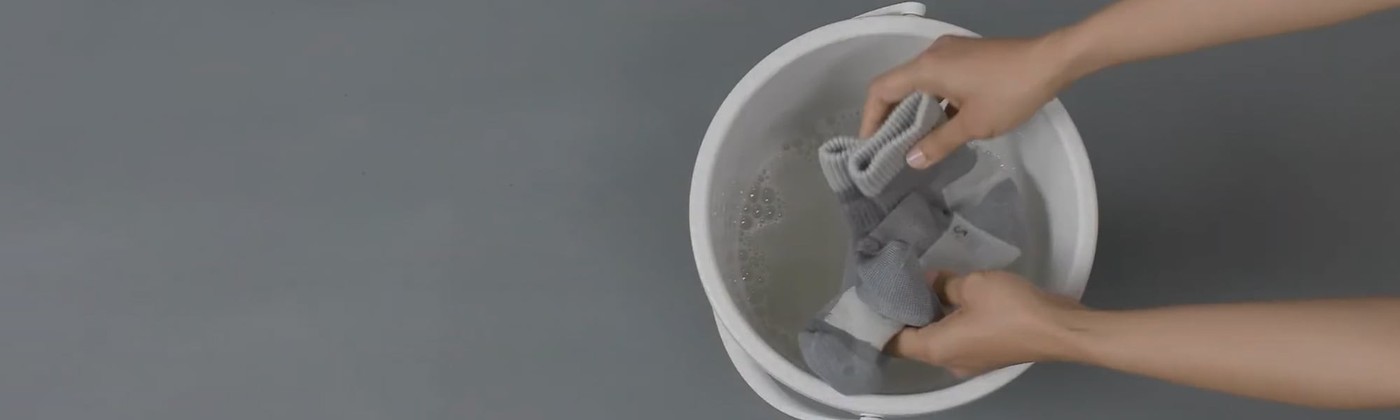
For machine-washable sweaters, Woolmark recommends the wool setting and identifies cold or delicate alternatives where the appliance lacks that program, subject to the garment's restrictions. Its separate hand-washing method uses clean, lukewarm water, wool detergent, a short soak and thorough rinsing. The two routes share an emphasis on suitable detergent and controlled treatment, but they are not interchangeable instructions for every garment. Read the actual label and the machine manual together. A similar-looking sweater may carry different directions because the finished products are not necessarily constructed or treated in the same way.
Dry knitted sweaters with full support
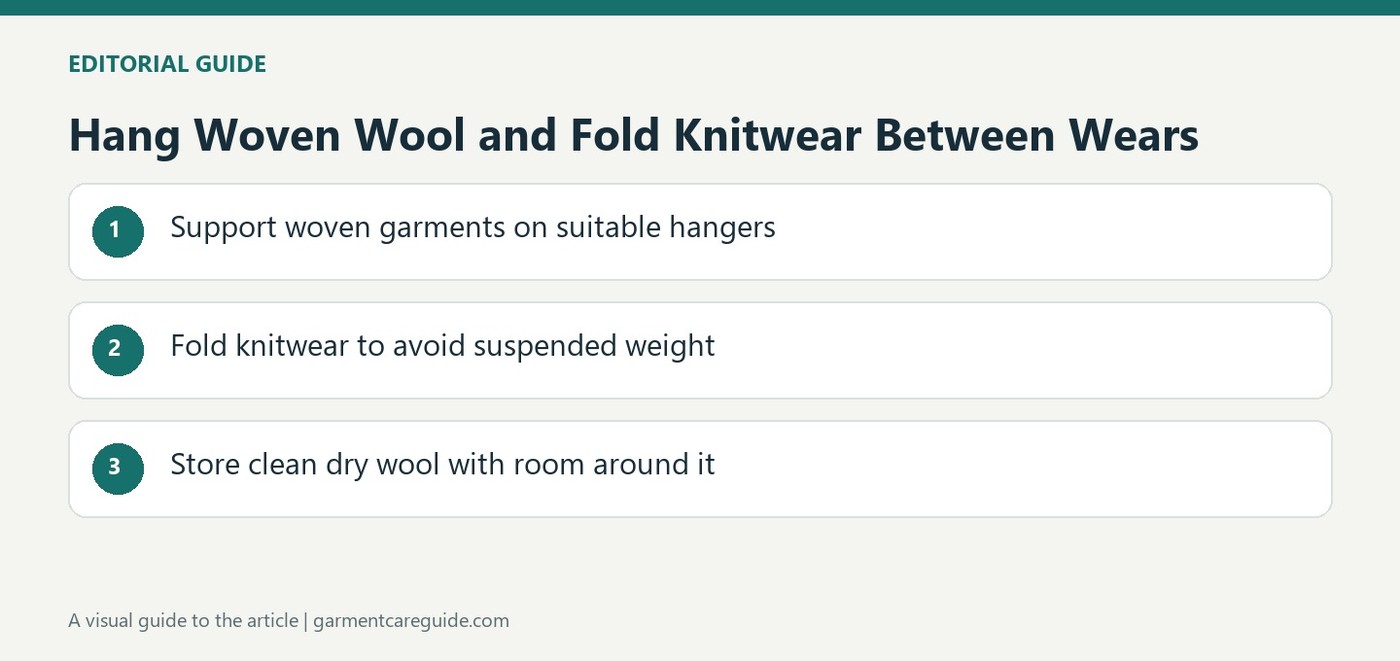
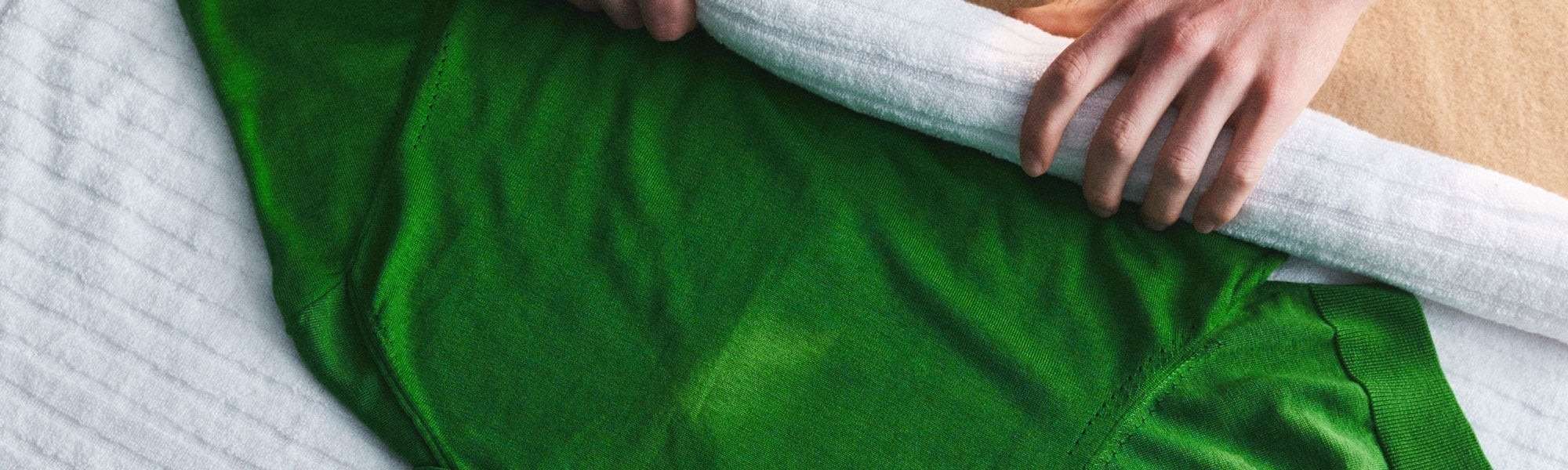
Woolmark advises flat drying knitted items such as sweaters in the shade. Supporting the wet garment across a surface differs from suspending its weight from a hanger. The source contrasts knitwear with woven garments, some of which can be hung on suitable hangers. That distinction makes drying part of preserving the sweater's form rather than an afterthought. Arrange the permitted drying area before washing and keep it away from direct sunlight. Following the complete sequence, from preparation to the final drying position, is more useful than concentrating only on whether wool can go into a washing machine.
Preparation protects the surface within an allowed method
Turning a sweater inside out or using a laundry bag is part of Woolmark's preparation advice for an item that may be machine washed. These measures do not make every wool knit suitable for a washer. The garment's actual claim still decides whether the route is permitted, and its temperature and process restrictions remain in force. This distinction matters when two sweaters look similar but have different finishes, blends, or construction. Read the label on each before grouping them. Then use the preparation step alongside an appropriate wool detergent and program. The bag and the reversed surface supply additional protection within the routine rather than changing what the item is approved to tolerate.
Keep soaking and rinsing in the manual route
The separate hand-washing instructions use clean lukewarm water with suitable wool detergent, followed by a short soak and thorough rinsing. Woolmark describes rinsing first in lukewarm and then cold water. The sequence concerns the permitted manual method; it should not be merged casually with a machine program or substituted for the sweater's own more specific restrictions. Plan the solution, handling, and drying area before the garment is wet. This makes it easier to proceed without pulling or hanging the item merely for convenience. The general guide provides a route to follow, while the completed product's care information keeps that route appropriate for the actual knit being cleaned rather than every sweater in the wardrobe.
Flat support and shade address different drying conditions
The source advises flat drying knitwear in the shade. Flat describes how the sweater's weight is supported, while shade describes its exposure. Both matter to the drying arrangement. A hanger may be useful for an appropriate woven garment but is not the same support for a damp knit. Lay out the required area before washing and consult any item-specific claim that modifies the general advice. The distinction is practical because the sweater can be correctly washed and still be handled unsuitably afterward. Think of preserving the garment's form as a continuous task from preparation through drying, rather than a question resolved solely by choosing between a wool cycle and a basin.
References
- How to wash a wool sweater. The Woolmark Company.