GarmentCare Guide
Recognize the basic process first
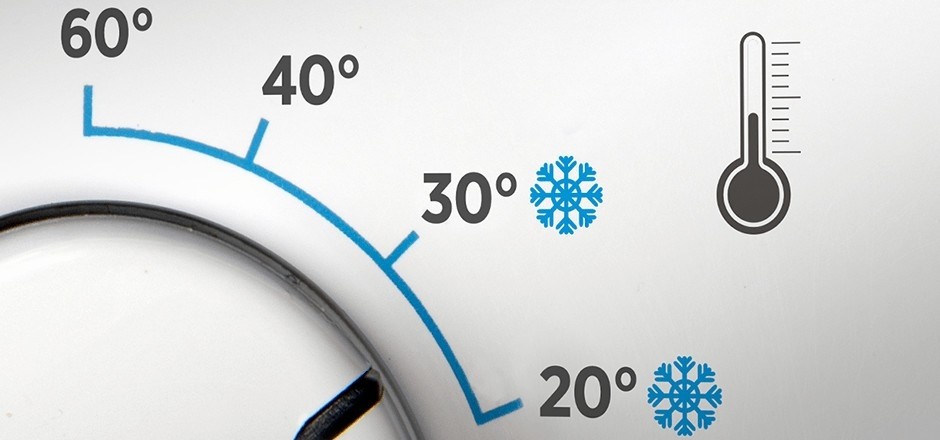
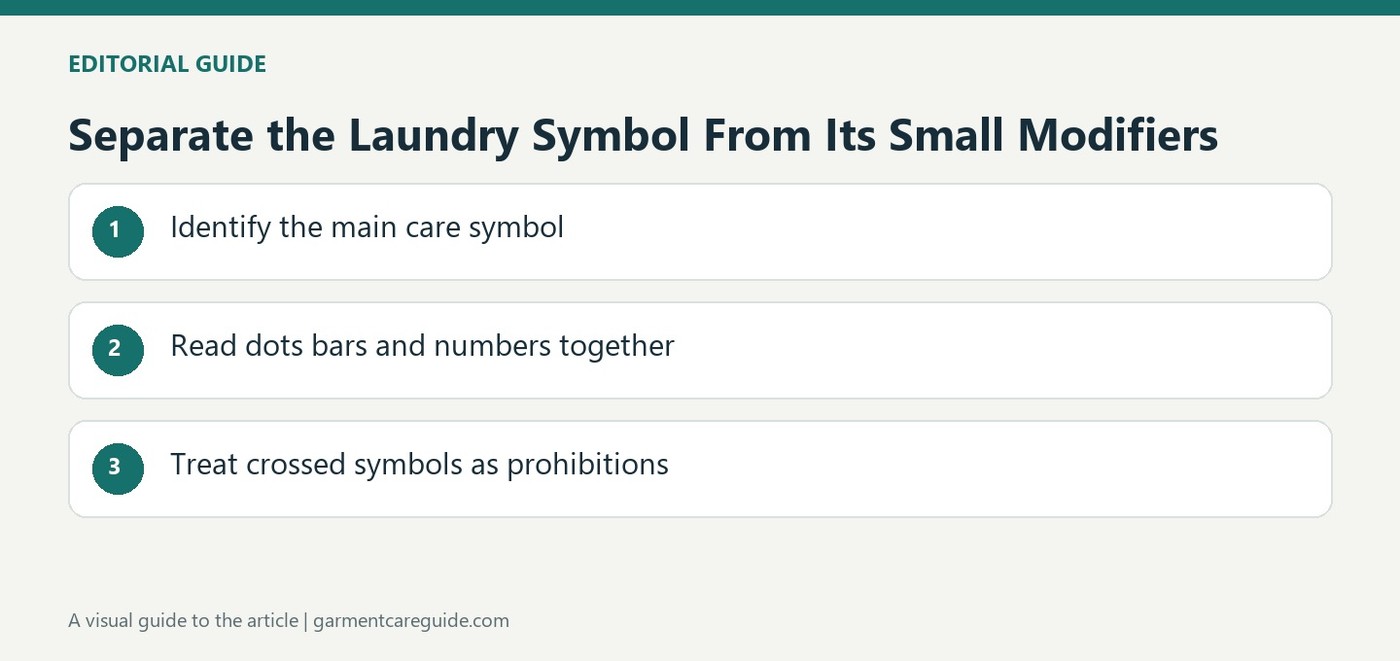
Homes & Gardens' guide groups care instructions into washing, temperature, professional cleaning, drying, bleaching and ironing. The article's useful starting point is the main shape: a tub relates to washing, a triangle to bleach and a square to drying. Those shapes prevent similar-looking dots and lines from being confused across different treatments. Read each symbol as a separate decision about the garment. A washing permission does not establish whether bleach can be added, and it does not determine how the wet item should be supported while it dries.
Small marks narrow the permitted process
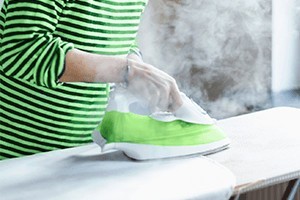
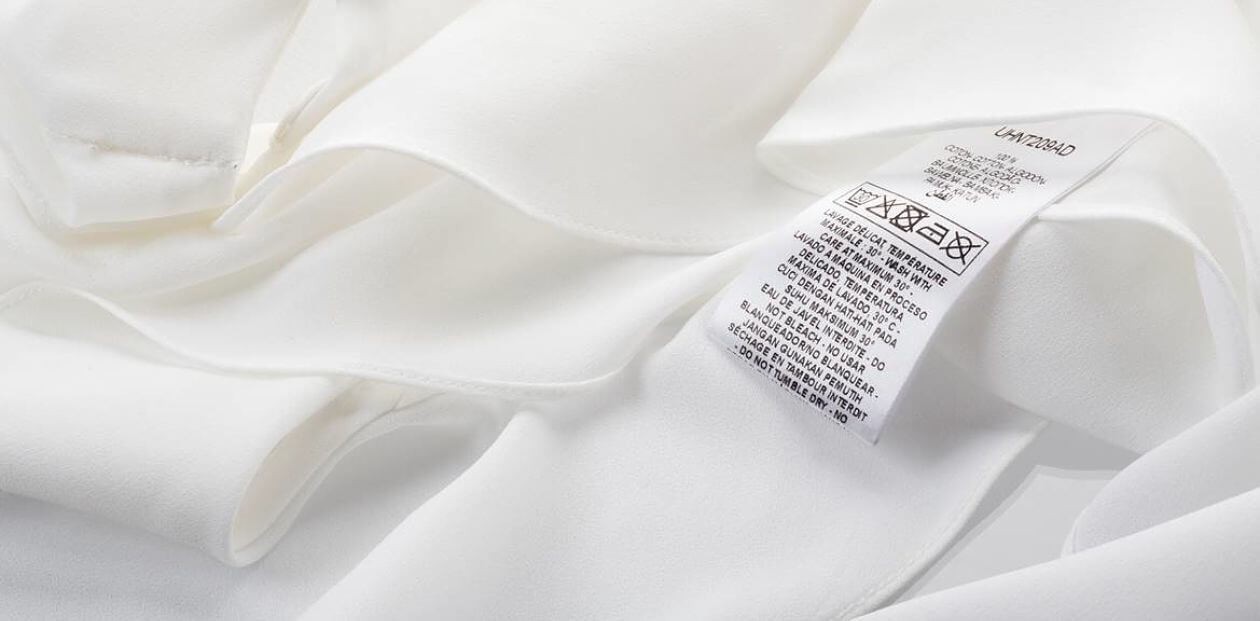
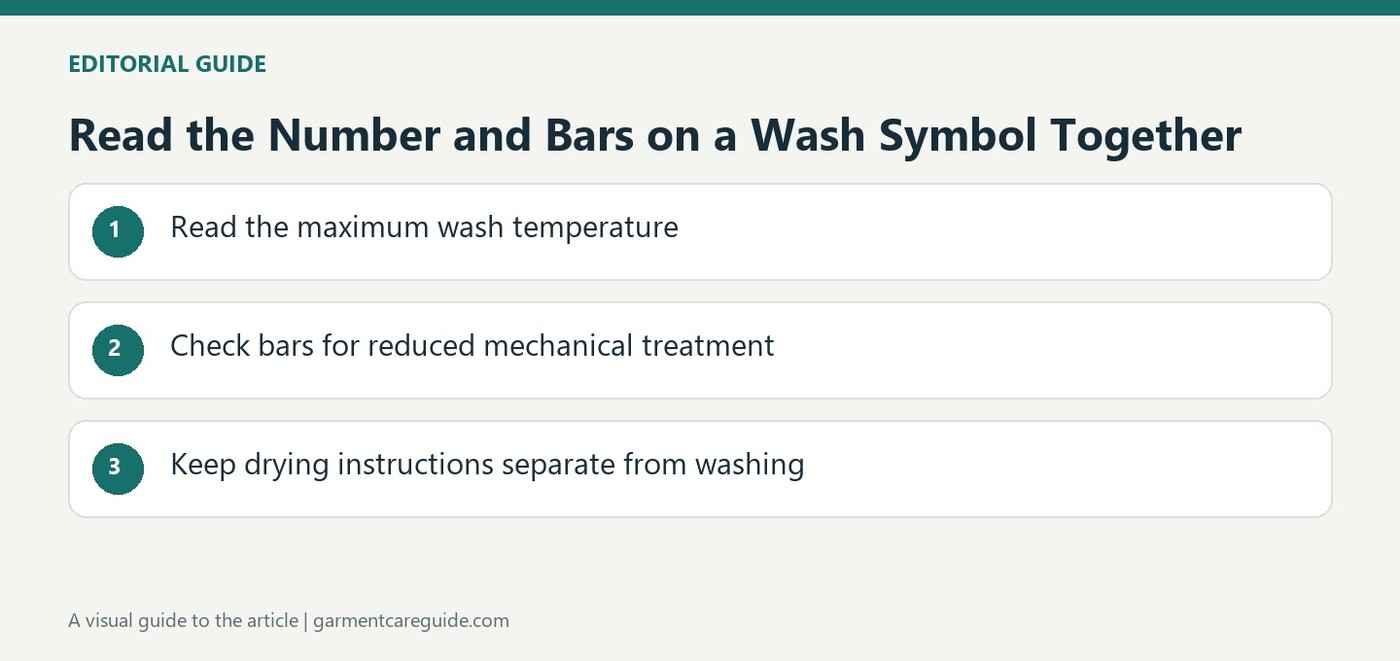
The guide distinguishes an ordinary wash tub from versions carrying one or two bars underneath. Those marks modify washing treatment rather than simply identifying the fiber. Temperature markings provide another restriction, while a hand or cross changes the instruction more fundamentally. The article also describes an iron with heat dots and a separate no-steam marking. These details show why recognizing an icon from memory is only the first step. The modifiers need to be read as well, and unfamiliar labels should be checked against an appropriate current reference instead of guessed from a nearby symbol.
Plan the drying method before washing ends
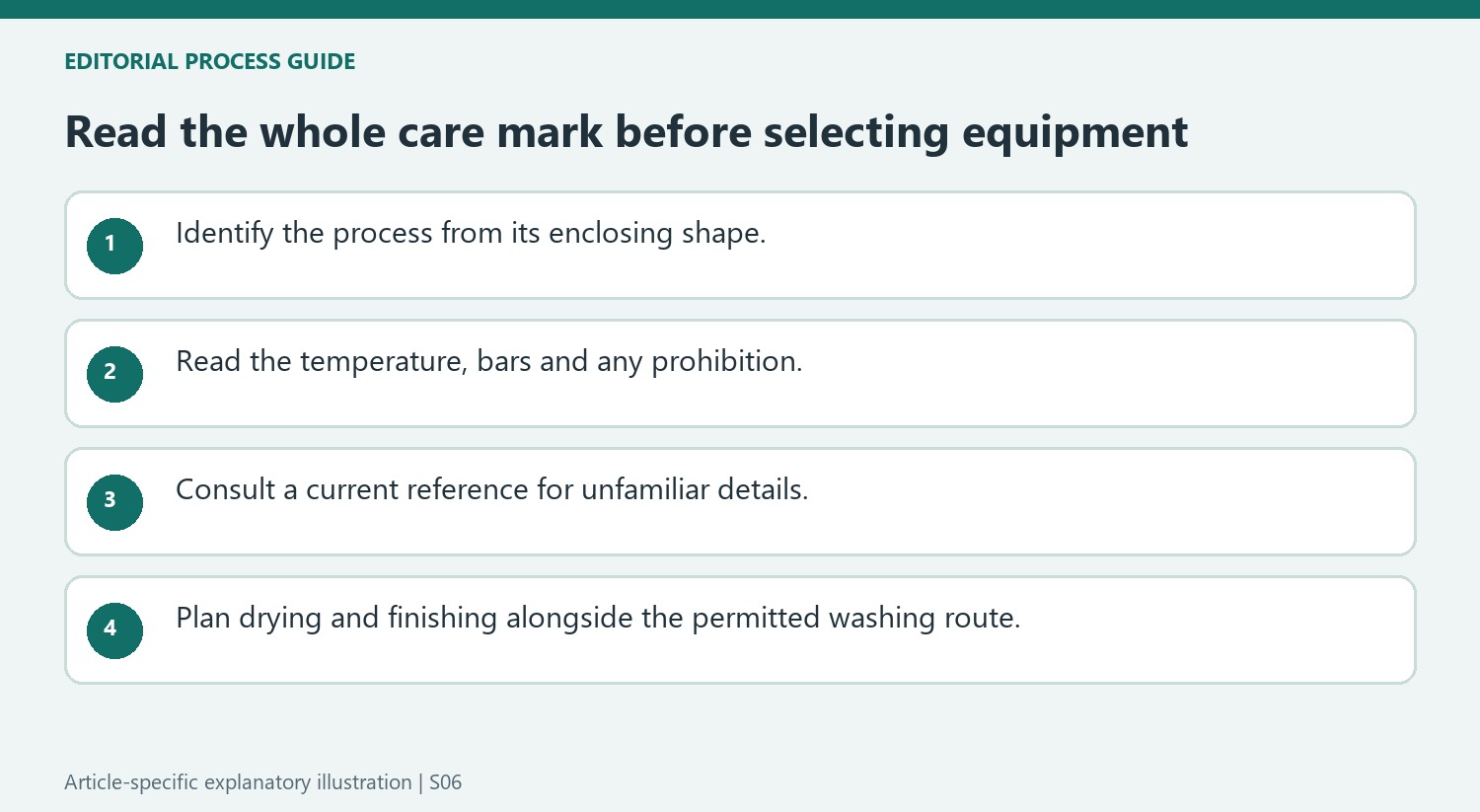
The article separates tumble drying from natural methods such as flat, drip and hanging dry. Shade modifiers add another condition. This makes drying a deliberate part of the care plan, rather than an automatic transfer from washer to dryer. Its wider advice includes separating laundry and avoiding overloaded machines. Use those habits within the garment's stated permissions, and seek appropriate guidance when a missing or unclear label leaves the material or treatment uncertain. The goal is to understand each stage sufficiently to avoid one correctly chosen setting being followed by an incompatible process.
A small modifier can change a familiar instruction
Recognizing the tub or iron is only the start of reading a care label. The guide describes bars under the tub, temperature information inside it, and an additional no-steam mark associated with ironing. Each narrows what the main shape permits. A person who remembers the broad icon but overlooks its modifier can therefore select an incomplete treatment. Read the whole symbol in place before translating it into appliance controls. If the label uses an unfamiliar system, consult an appropriate current reference or the garment maker. This is more reliable than applying a remembered dot count without checking which process surrounds it or assuming every symbol variant has the same meaning across all contexts.
A drying location and a drying process are separate choices
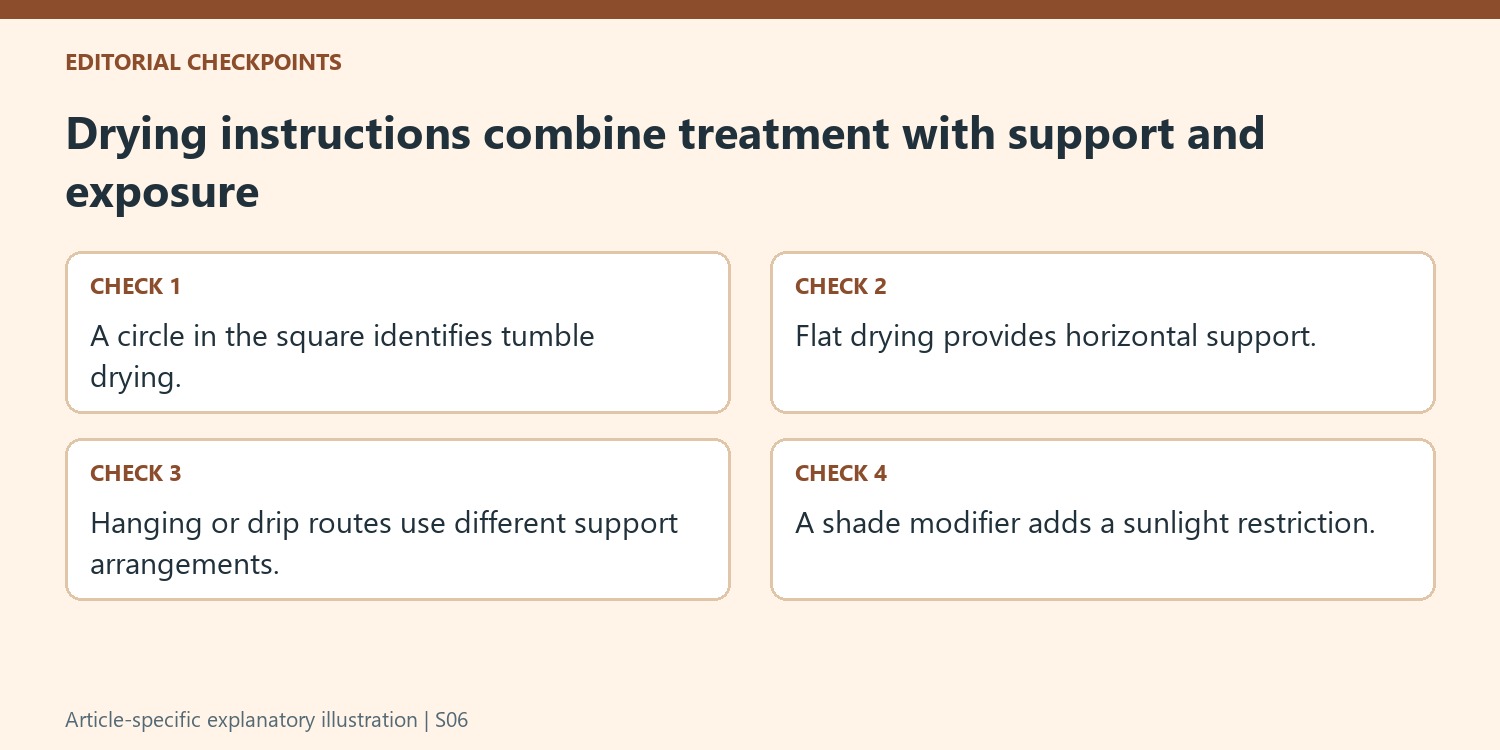
The guide distinguishes natural support arrangements from tumble drying and adds shade as a further condition. A horizontal line points toward flat support, while hanging or drip methods organize the wet article differently. The location should also respect any sunlight restriction. Planning those details before washing prevents a default transfer to the dryer merely because the rest of a load can go there. It also separates drum movement from heat: an air-only setting in a dryer is still a machine process. Use it only when the actual item permits tumbling. The complete label helps identify both what treatment is allowed and how the wet garment should be supported while it dries.
Uncertainty calls for identifying the item rather than guessing
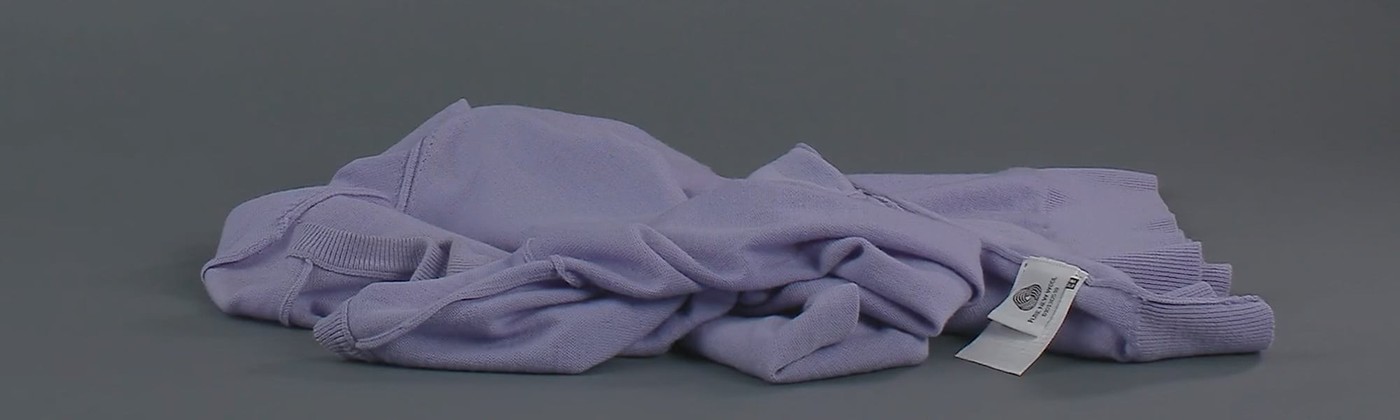
The article includes advice for missing labels, but an absent tag leaves important information unresolved. A fabric's appearance alone may not identify its blend, finish, or attached components. Seek the maker's information or appropriate professional guidance where the material or treatment remains uncertain. General habits such as separating laundry and avoiding overloaded machines are helpful within a permitted process; they cannot create permission for an unidentified garment. This distinction is especially useful for valued or unusual pieces. A suitable routine needs to connect the article with actual care information before water, chemicals, or heat are applied, instead of treating the gentlest-sounding household setting as a guarantee that every possible material will tolerate it.
References
- An essential guide to laundry symbols | Homes and Gardens. Homes & Gardens; Ottilie Blackhall.