GarmentCare Guide
Separate drum movement from added heat
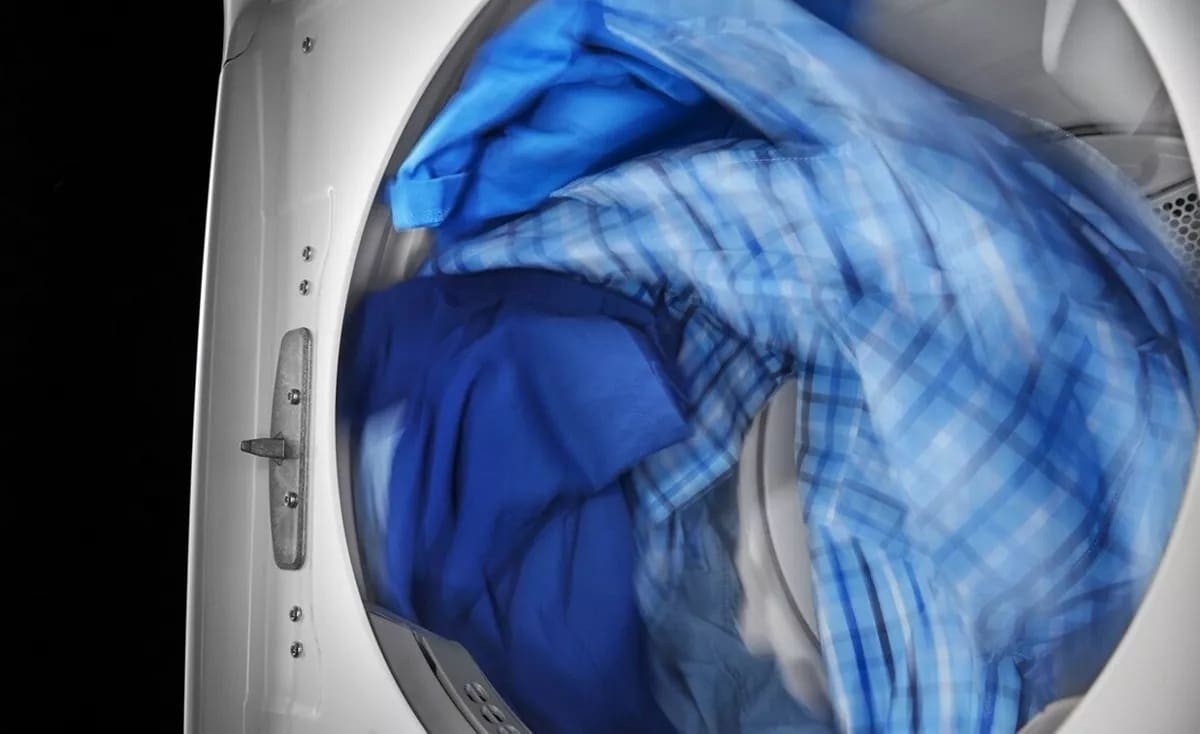
A dryer can tumble laundry with or without added heat. Maytag describes no-heat or air-only settings as a way of moving room-temperature air through the drum, often to freshen items or remove loose debris. Natural air drying on a rack or line is a different process because the garment is not being repeatedly moved through a rotating drum. This distinction is useful when reading a restrictive label. Removing heat changes one part of the treatment, but it does not turn the dryer into a stationary drying rack.
A crossed drying symbol still applies
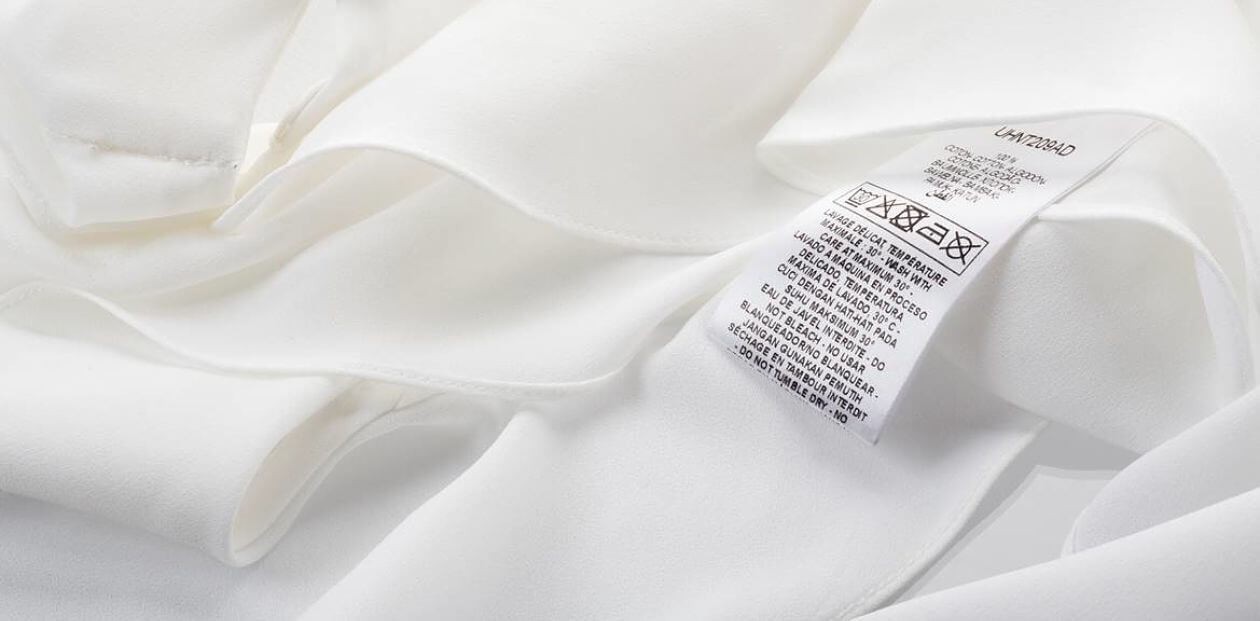
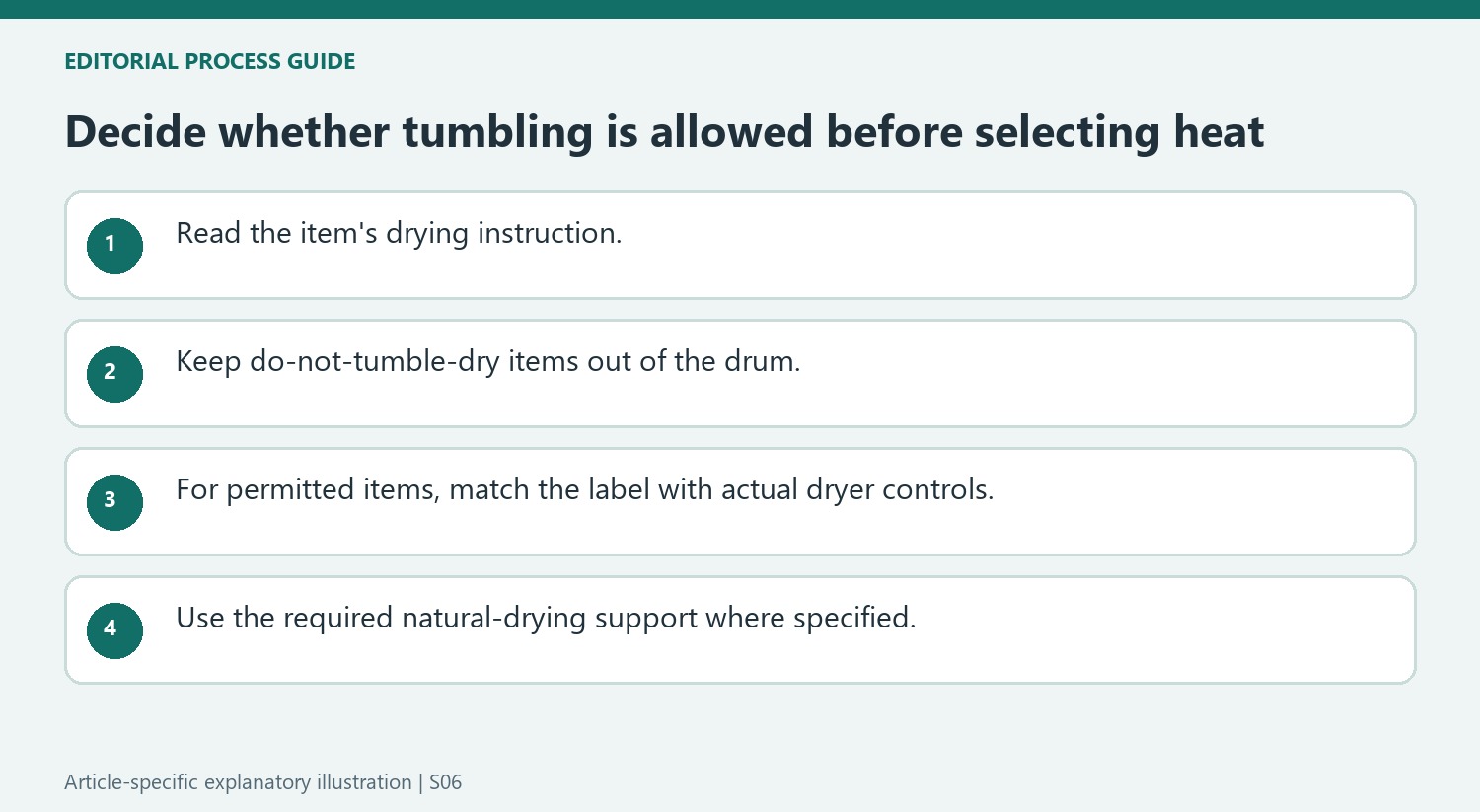
Maytag specifically advises against putting an item labeled do not tumble dry into a no-heat cycle. The restriction concerns the permitted process, not merely whether the heater is running. Check for the square-and-circle drying symbol and its modifiers before deciding which cycle to use. If tumble drying is permitted, heat instructions such as low or medium then help narrow the choice. A setting called delicate may involve low heat, but the appliance's name for a program should still be checked against its manual and the garment's stated care requirements.
Spin extraction is another separate operation
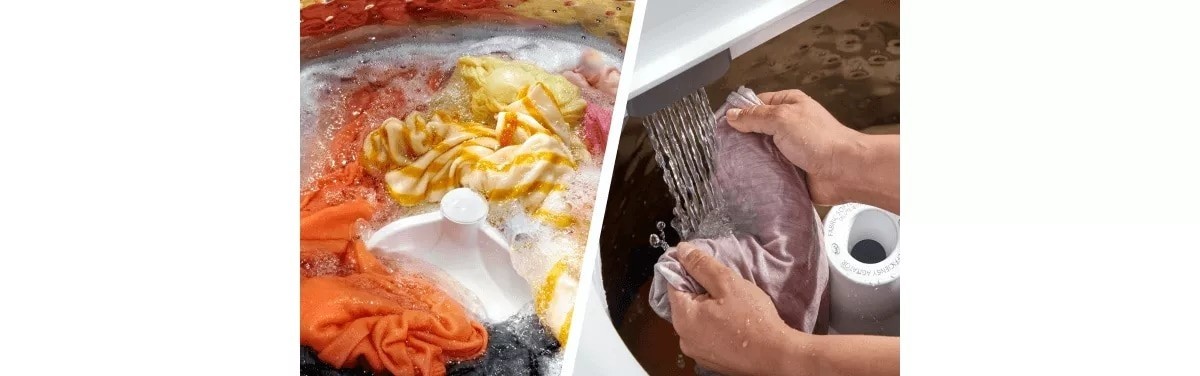
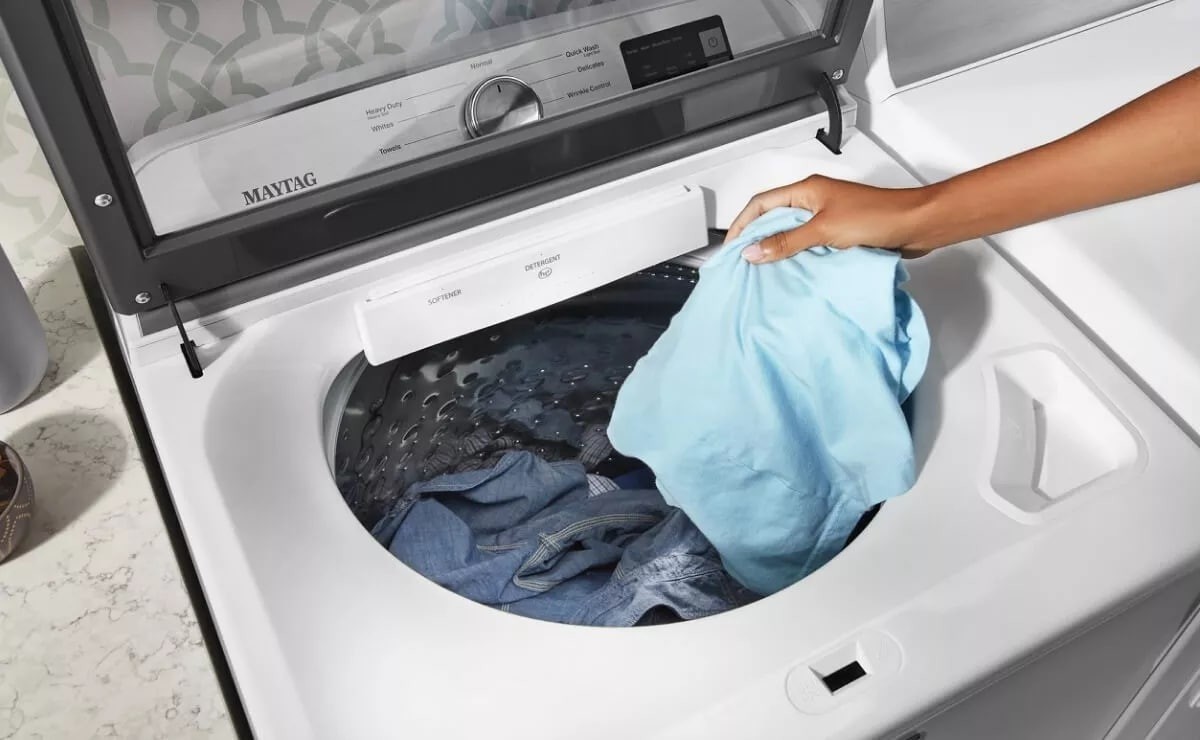
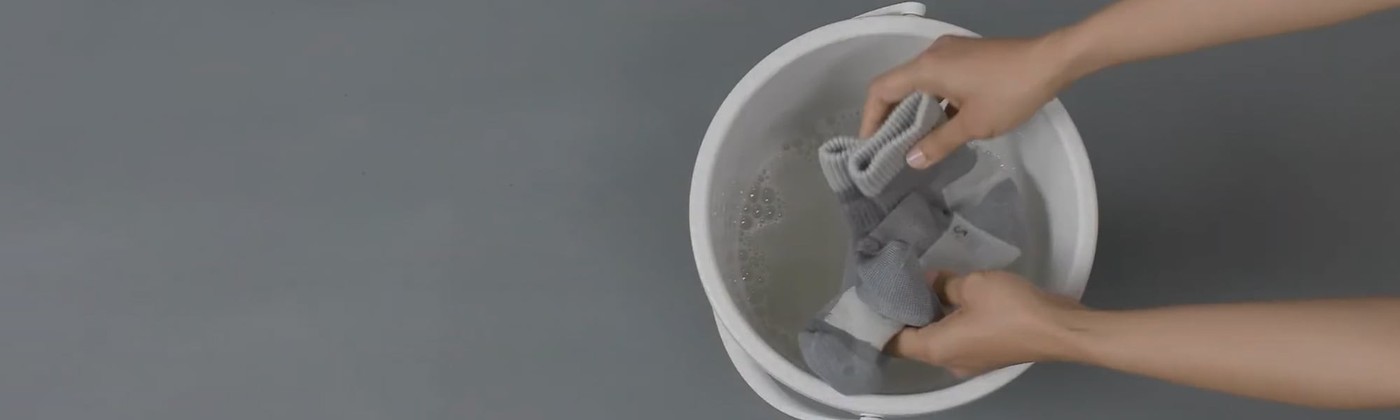
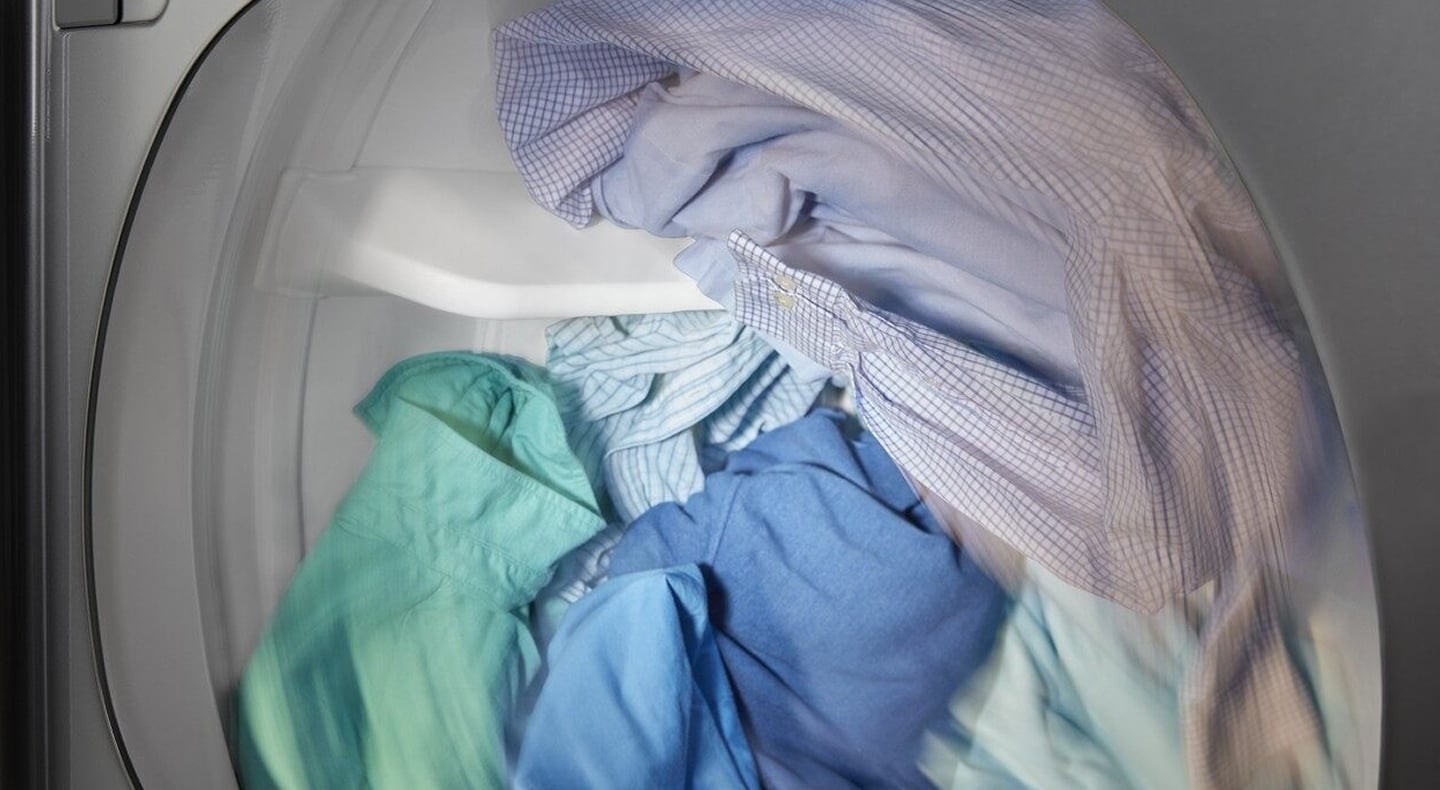
The guide also distinguishes washer spinning from dryer tumbling. A spin cycle removes excess water mechanically and generally leaves clothing damp, while drying removes more moisture through airflow, usually with heat unless otherwise selected. That means spin dry on a washer is not a substitute name for a tumble dryer program. For an item that must dry naturally, follow its instructions for water removal and support it in the specified position afterward. Keeping washing, extraction and drying as separate decisions helps avoid assuming that one gentle-looking setting grants permission for every later stage.
Air-only is a machine setting with drum movement
Maytag's no-heat option uses room-temperature air while the drum continues to tumble its contents. That makes it different from leaving a garment undisturbed on a rack. The distinction is important for an item marked do not tumble dry: removing added heat does not remove the repeated motion. The source explicitly says that the prohibition should still be followed. A user should therefore decide whether tumbling is permitted before comparing heat settings. This is more useful than treating air as a guarantee of gentle handling in every context. The word can describe the air entering a moving machine or a natural drying arrangement, but those are separate treatments for the garment.
Do not carry a washer heat choice into the dryer automatically
The washing and drying stages have separate labels because their treatments differ. A permitted warm or hot wash does not independently authorize high dryer heat, and a cold wash does not state the complete drying plan. Use the garment's actual drying instructions, then match them with the available dryer controls and appliance guidance. Maytag discusses preset cycles and adjustable heat, time, or dryness levels, which can vary by model. Those controls should be understood together instead of assuming every cycle name works identically across machines. The relevant question is which permitted treatment the selected program will deliver to the actual load, including whether the drum action itself is allowed.
A washer spin and a dryer cycle remove water differently
The source distinguishes a washer's spin from tumble drying. Spinning extracts excess water mechanically and normally leaves garments damp; it is not a promise that they are ready to store. A dryer moves air through tumbling items and may add heat depending on the setting. Natural drying then provides another route after appropriate water removal. Keeping these stages separate makes it easier to plan the care of heat-sensitive or movement-sensitive clothing. Follow any limits on spinning, wringing, and support as well as the final drying method. A familiar household phrase such as spin dry should not replace the particular instructions for moving a wet garment toward a fully dry, properly supported condition.