GarmentCare Guide
Confirm that the garment can tumble
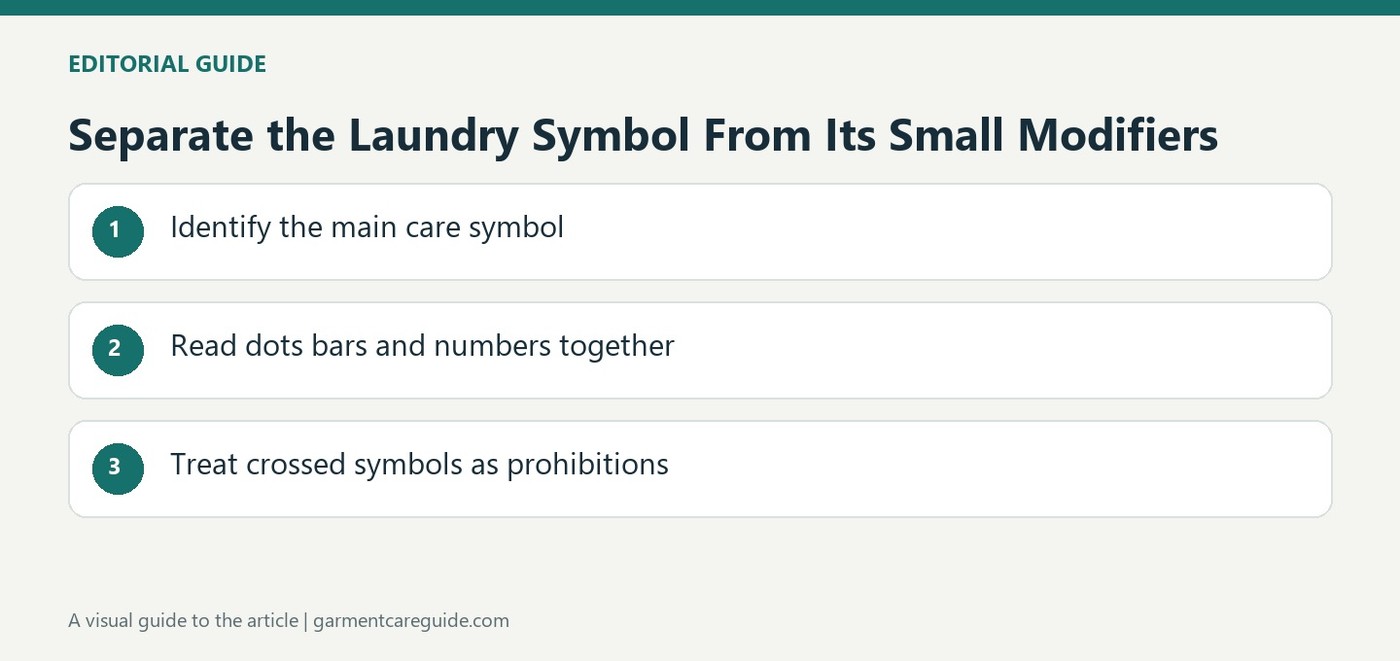
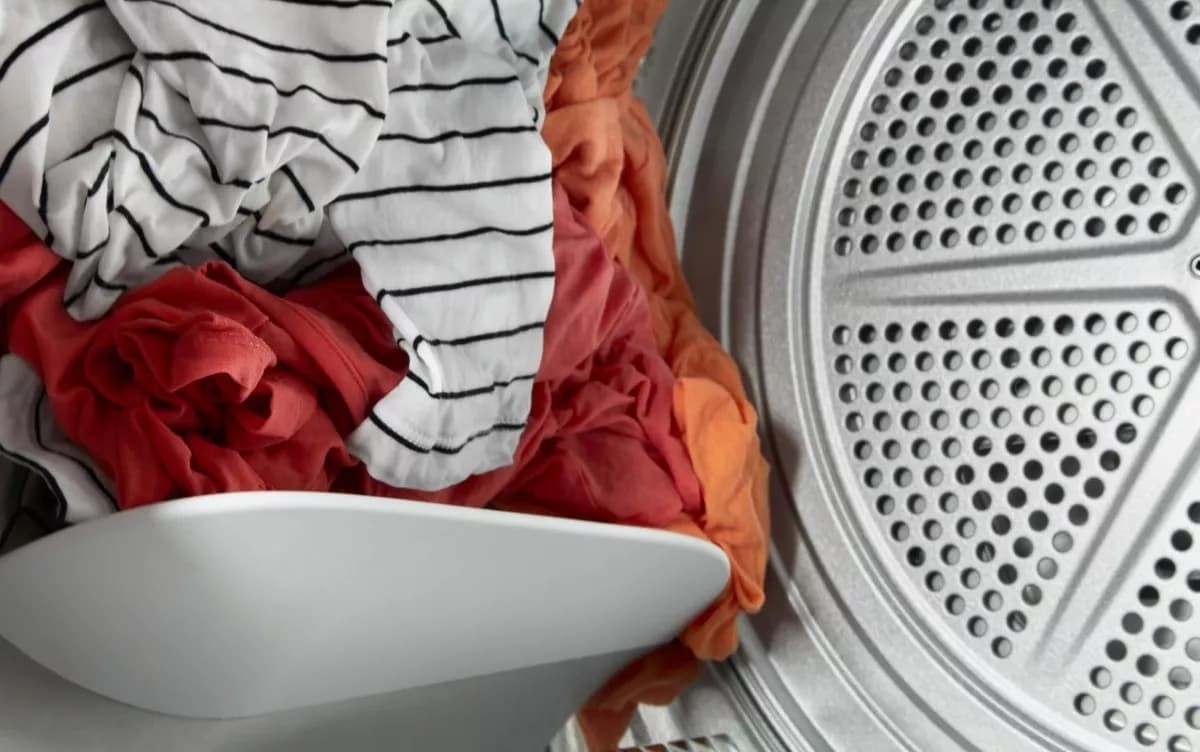
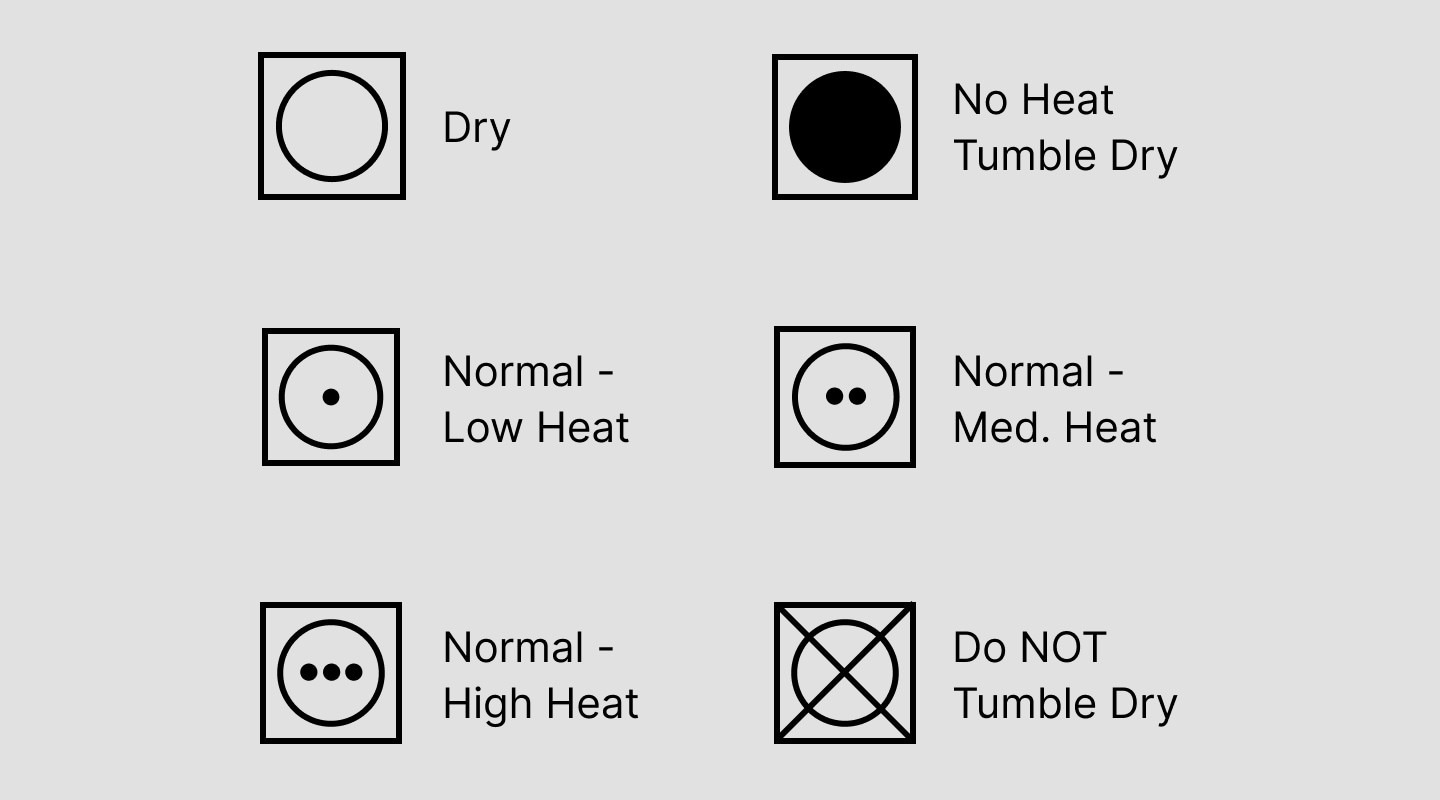
Tumble drying means drying laundry in a rotating dryer drum rather than on a line or rack. Whirlpool identifies the care symbol as a square containing a circle. Additional marks specify treatment, while a cross over the symbol means the item should not be tumble dried. This check comes before choosing a convenient cycle. Machine washing and machine drying are separate permissions, so a load that went through the washer together may need to be divided afterward. Some pieces can go into the dryer while others require natural drying.
Choose heat for the allowed treatment
Whirlpool distinguishes high, low and no-heat settings. The no-heat option moves laundry using room-temperature air, while heated settings add thermal action. The appropriate choice depends on the garment's instructions rather than simply the amount of time available. Low heat can be relevant for dryer-safe items with embellishments or heat-sensitive components. No heat remains a tumble process, so it should not be used to bypass a do-not-tumble-dry instruction. The label determines whether the drum treatment itself is allowed before the heat setting becomes the next decision.
Keep the load loose and compatible
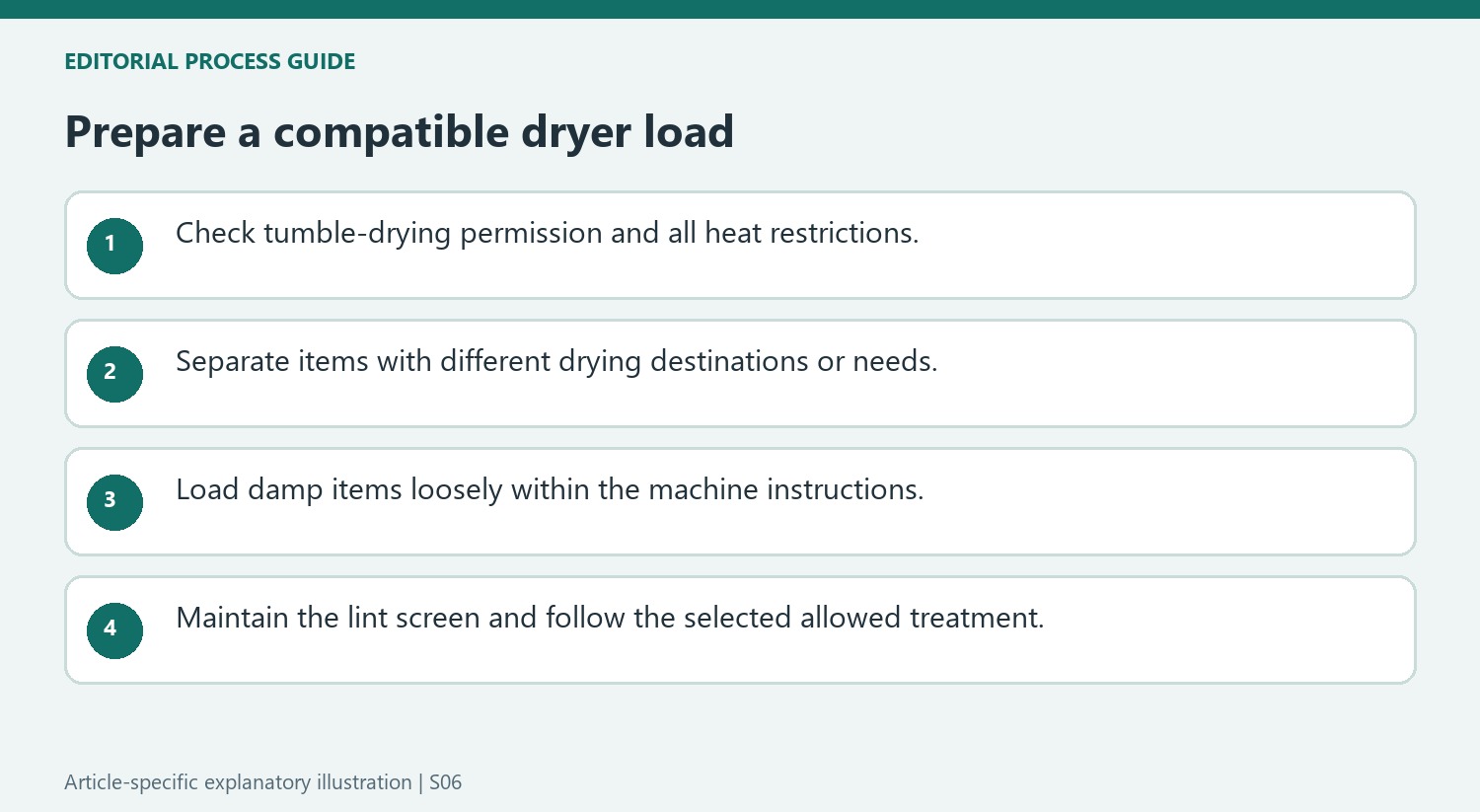
The guide recommends grouping similar items so fast-drying pieces are not exposed to unnecessary drying while heavier pieces remain wet. Leave room for movement rather than packing the drum tightly. Laundry should be damp rather than dripping, subject to its permitted water-removal treatment. Whirlpool also recommends cleaning the lint screen after each load to maintain airflow. These habits connect the selected setting with the conditions inside the machine. They help make drying more controlled, but they do not override fabric restrictions or the instructions supplied for the particular dryer model.
A single wash load may need several drying destinations
Garments grouped for compatible washing can still carry different drying instructions. Before transferring a load, check which pieces permit tumble drying and which need a line, rack, or flat support. The source's square-and-circle explanation makes that separation straightforward: identify permission for the process first, then read the heat or cycle restrictions. A no-heat setting is not an alternative natural-drying location because the drum still moves the clothes. Planning the destinations before washing also helps avoid leaving an item wet while searching for space. The dryer is one option within the care sequence, and its convenience should be considered only after the actual garment's instructions establish that the option is appropriate.
Match similar drying needs instead of maximizing the load
Whirlpool recommends keeping similar items together so lightweight articles are not repeatedly exposed while heavier ones remain damp. A compatible group should also have room to move. A packed or tightly tangled load changes the conditions inside the drum and can lengthen drying or encourage creasing. These are different questions from the chosen heat level: selecting low heat does not correct every problem caused by overloading. Check the machine's capacity and instructions while grouping garments by their permitted treatment. This connects the setting on the control panel with the actual laundry inside, rather than treating a program name as a guarantee of an even result regardless of the load's composition.
Water removal and airflow support the selected cycle
The guide says laundry should be damp rather than dripping before entering the dryer. Any additional water-removal step still has to suit the item; a generic suggestion for another spin does not override restrictions on handling a delicate garment. Once a suitable load is ready, maintain the lint screen as directed, with Whirlpool recommending cleaning after each load. Airflow is part of drying, so lint-screen care belongs to the routine rather than only to occasional troubleshooting. Follow the particular dryer's instructions for operation and maintenance. These habits improve control over the process, while the clothing label continues to set the permitted method and heat for each item throughout the drying stage. Recheck those restrictions when separating the freshly washed load.