GarmentCare Guide
Prepare compatible items and a suitable solution
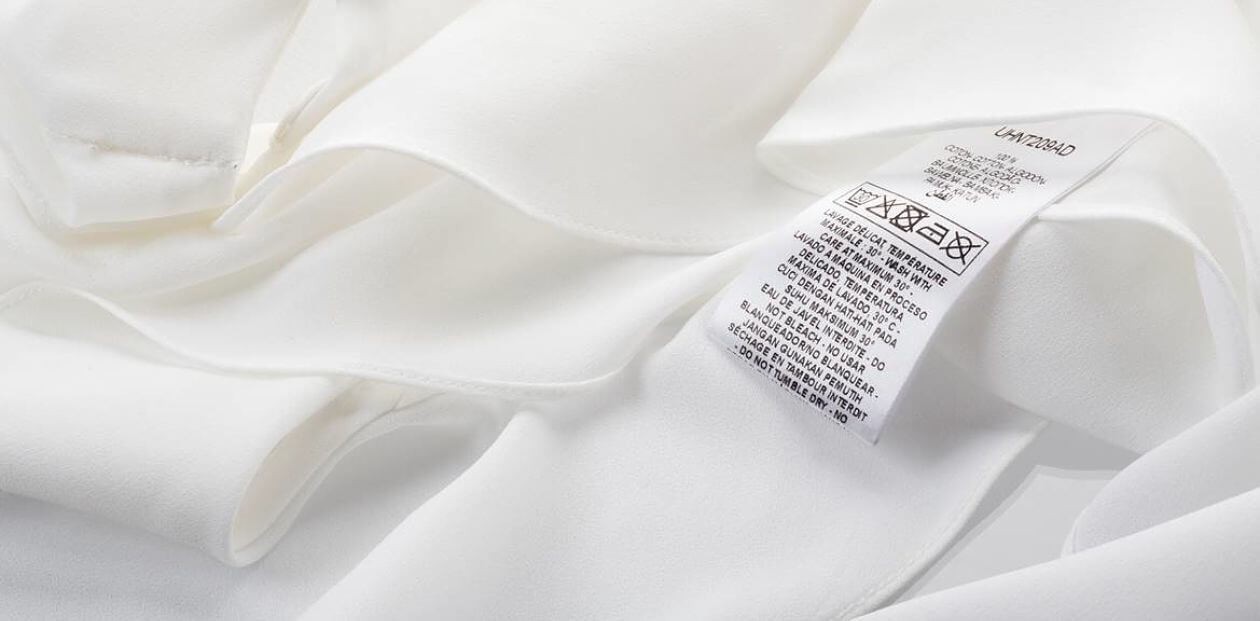
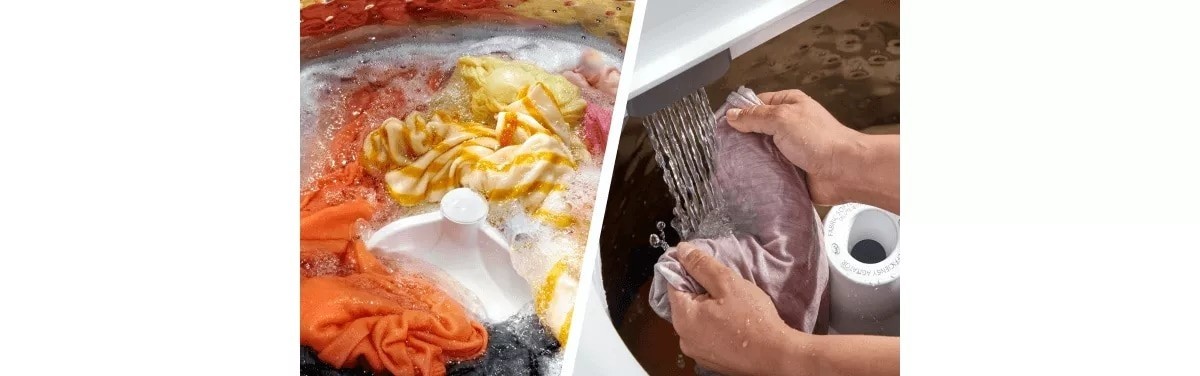
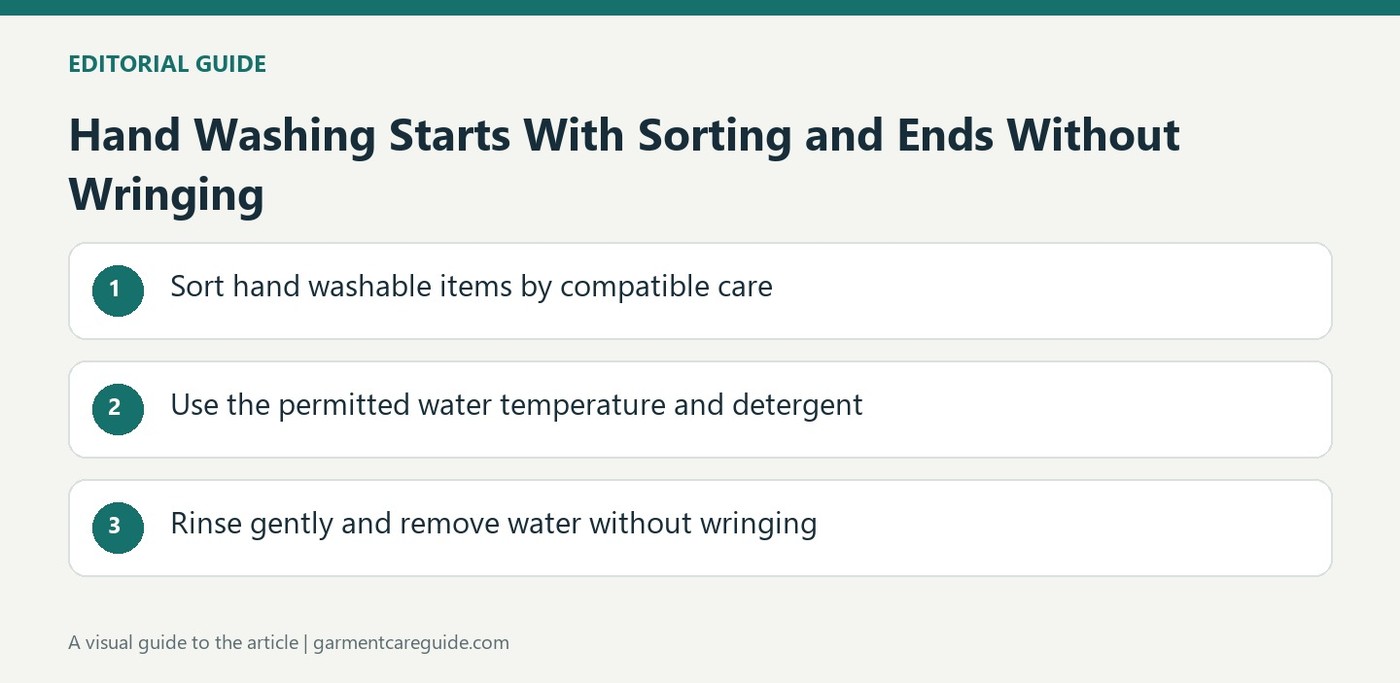
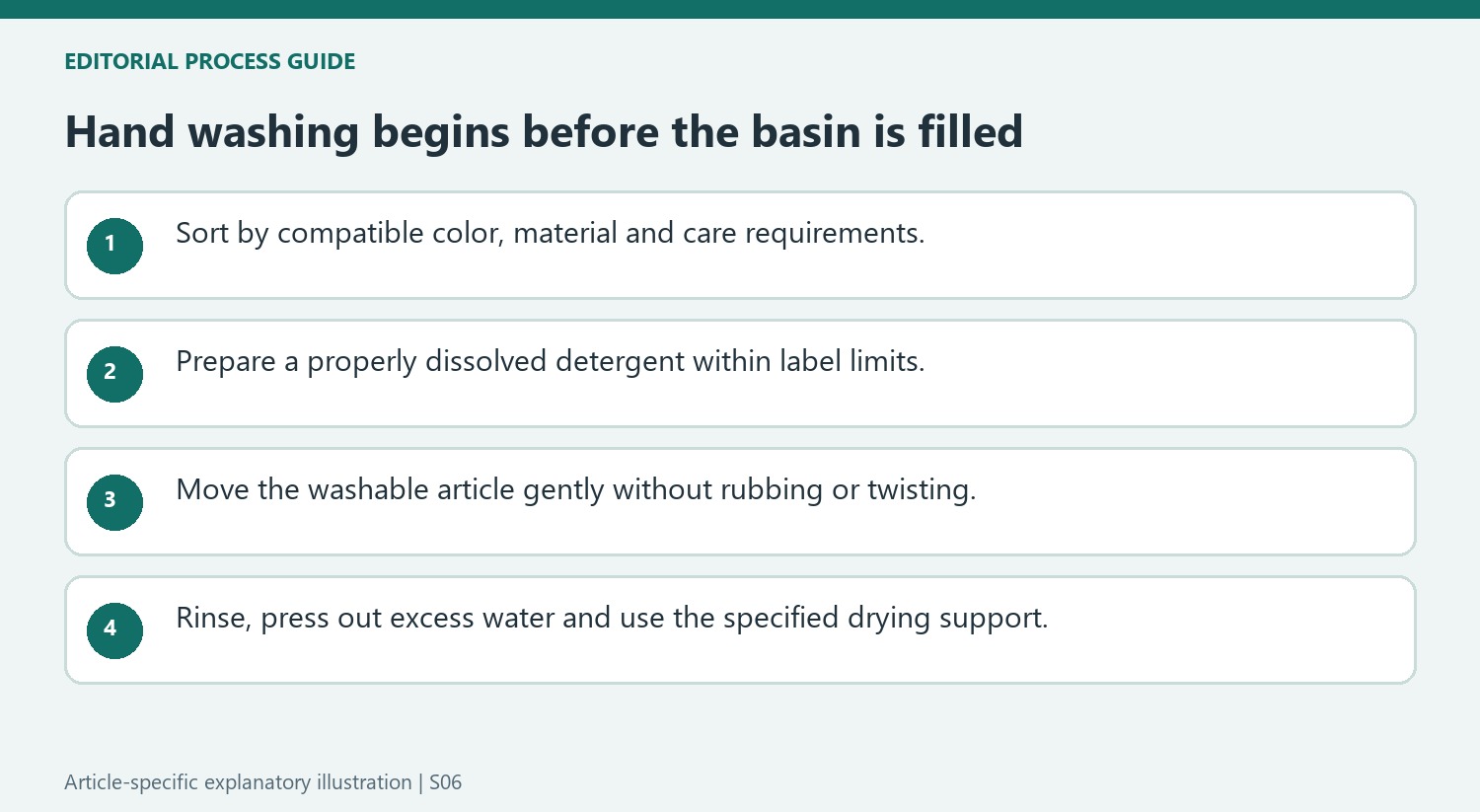
Ariel's hand-washing guide begins with sorting rather than with filling a sink. Separate items by color and consider fabric type and soil level as well. This reduces the chance of combining a delicate piece with something requiring a different treatment. Inspect the care label for washing permission and temperature restrictions before selecting a detergent. The guide emphasizes choosing a product that dissolves properly, helping avoid residue after rinsing. A basin of water is not automatically a gentle process if the detergent, temperature or grouped garments are unsuitable.
Use movement without twisting the fabric
Once a suitable solution has been prepared, submerge the washable items and handle them gently. Ariel describes moving garments through the water while avoiding twisting motions that can stretch them. Its general routine includes soaking, but an individual garment's label and relevant product directions should guide the actual treatment. A special wool or silk item may need its own instructions. The useful principle is controlled handling: washing by hand still exposes clothing to water, detergent and mechanical action, so the absence of a machine does not remove the need to follow care limits.
Rinse before pressing out excess water
After washing, drain the used solution and rinse until the water is clean. The source finishes by pressing out surplus water rather than wringing or twisting the garment. This keeps water removal distinct from stretching the fabric into a tight rope. Then use the drying method specified for the item, supporting its shape as needed. If considering a machine's hand-wash program instead, consult both the garment instructions and the appliance manual. A cycle name is useful information, but it should not replace the specific permissions and restrictions supplied with the clothing.
Sorting matters in a sink as well as a machine
A small basin can still bring incompatible colors or fabrics into contact. Ariel begins its hand-washing sequence with sorting and also discusses separating items by soil level. This is useful when a quick wash contains only a few pieces: the small number does not remove the possibility of dye transfer or different care needs. Inspect the labels before deciding which garments can share water and detergent. A fabric that releases color should be handled separately, while a specialist wool or silk item needs its own compatible care. The source's general hand-washing routine should therefore be adapted to the actual articles, rather than used as a reason to combine every delicate-looking garment together.
A gentle method includes the solution and the handling
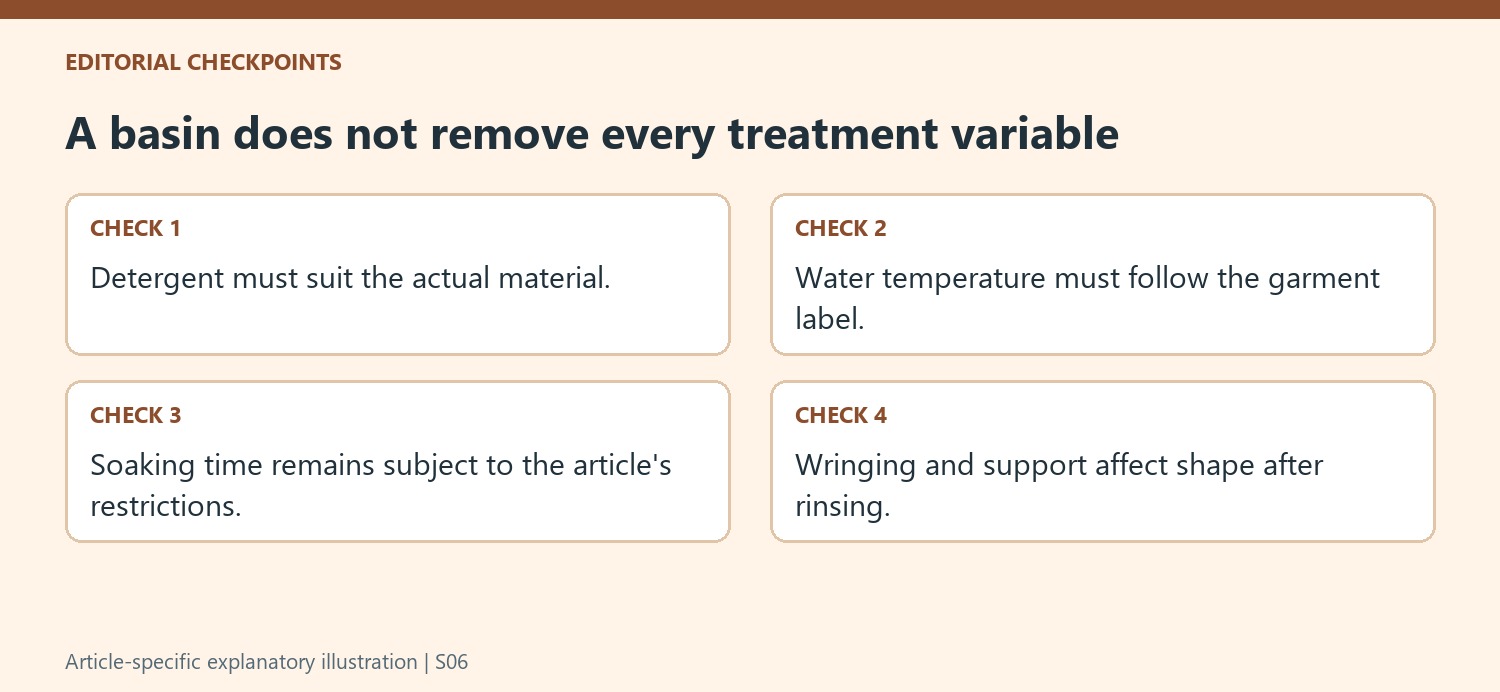
Choosing to wash manually does not make any detergent or water temperature appropriate. The source emphasizes a detergent that dissolves properly and checking the garment's temperature restrictions. After preparing a suitable solution, move the washable article through it gently instead of twisting or stretching it. The general guide includes a soaking period, but a particular item's instructions may restrict that treatment. Keep the care limits attached to the individual garment. This gives a more complete understanding of gentleness: chemical choice, temperature, time, and movement all contribute. The absence of a rotating drum removes one source of mechanical action, but hands can still rub, pull, or wring too aggressively.
Finish water removal without turning the garment into a rope
The guide's final handling step presses out surplus water rather than twisting the fabric tightly. That distinction protects the intended shape during the transition from rinsing to drying. Rinse until the water is clean, then use the label's specified drying arrangement. A knit that needs horizontal support should not be hung merely because it was washed in a sink. Prepare the appropriate drying space before starting so the wet item does not need an improvised solution. If using an appliance program named hand wash, check the actual garment permission and machine instructions first. A familiar program name describes a machine option; it does not independently resolve whether the particular garment should enter that machine.