GarmentCare Guide
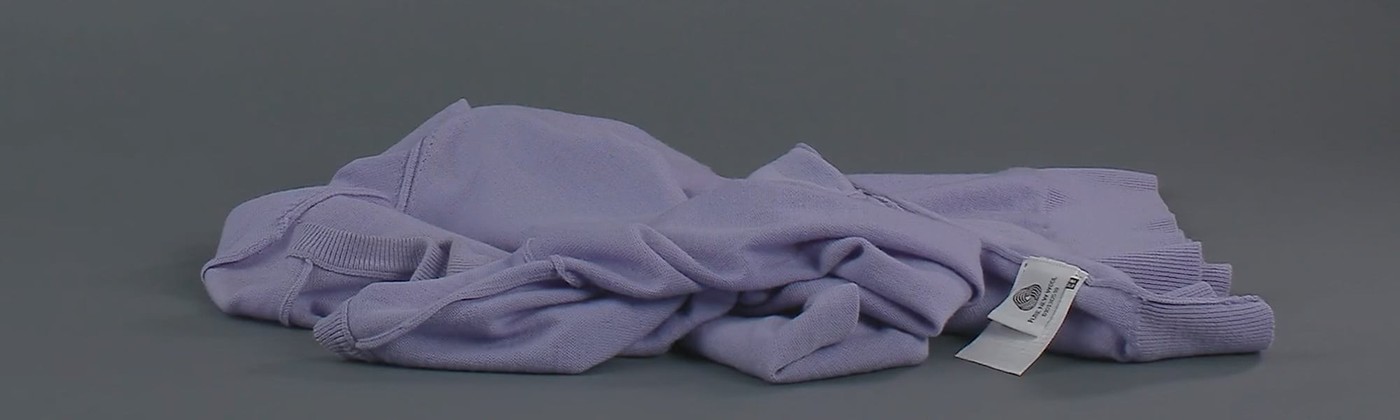
Find the care instructions among the tags
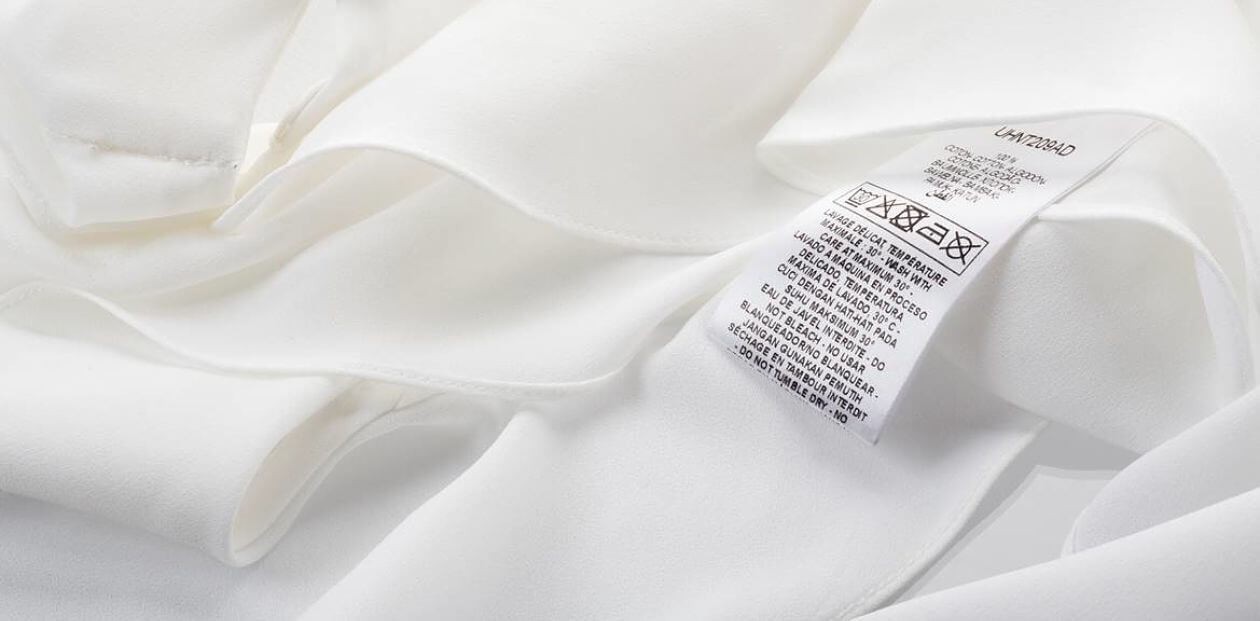
Whirlpool notes that clothing may carry separate information for branding, size, fabric and care. Before selecting a wash, locate the tag that actually describes treatment. Its symbols supply instructions for the garment, rather than merely identifying what the fabric contains. This is useful when a familiar fiber appears in an unfamiliar construction. A label can account for the finished item, including features that a fiber name alone does not explain. Keep it available while deciding how the garment will be washed, dried and finished.
A number is not a demand for hotter water
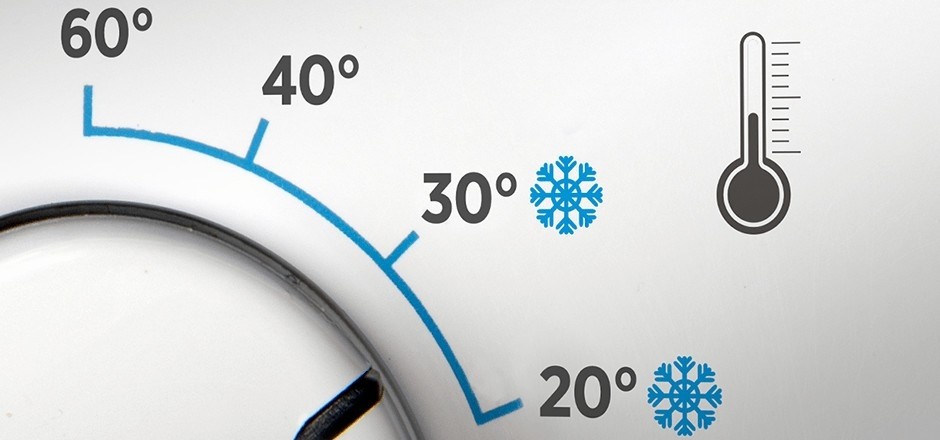
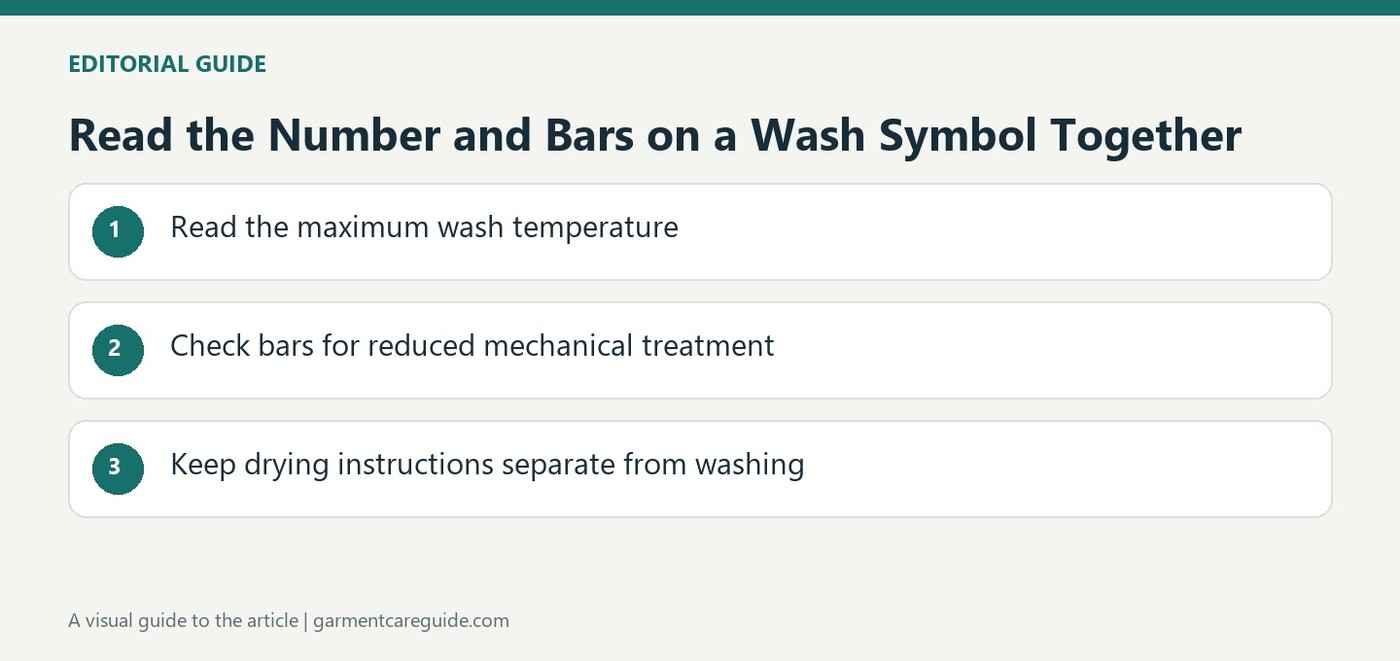
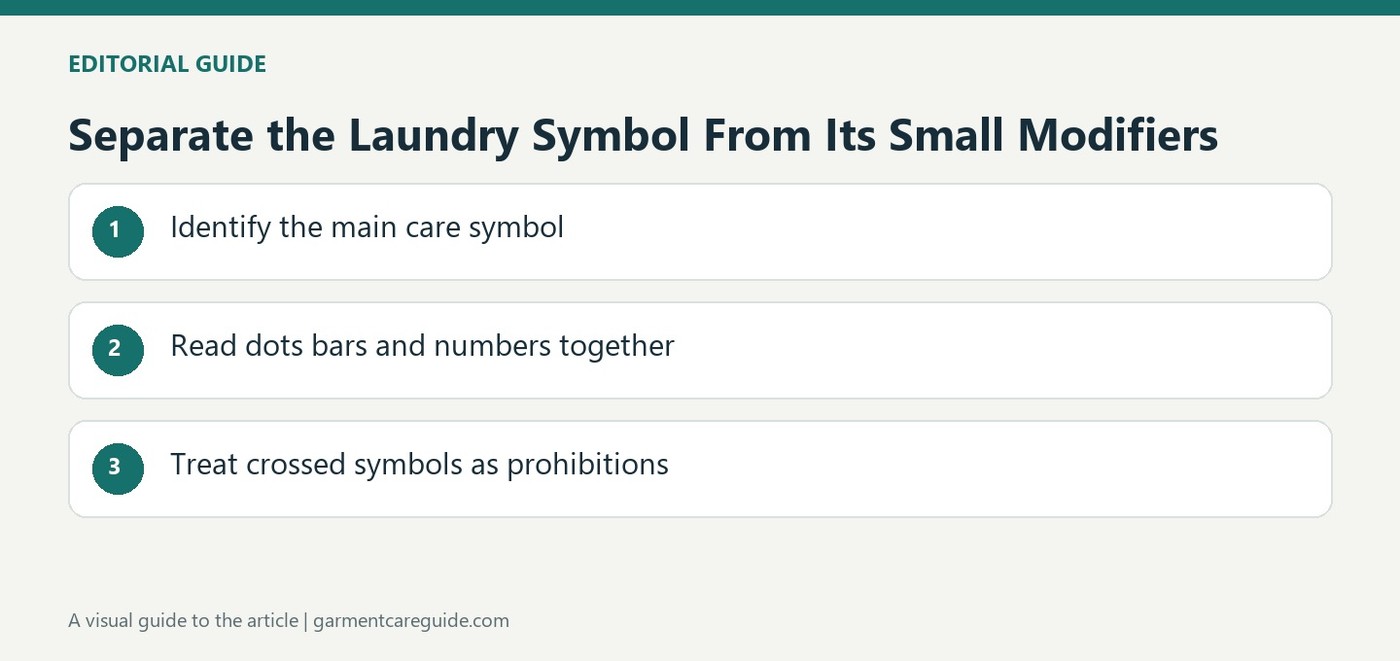
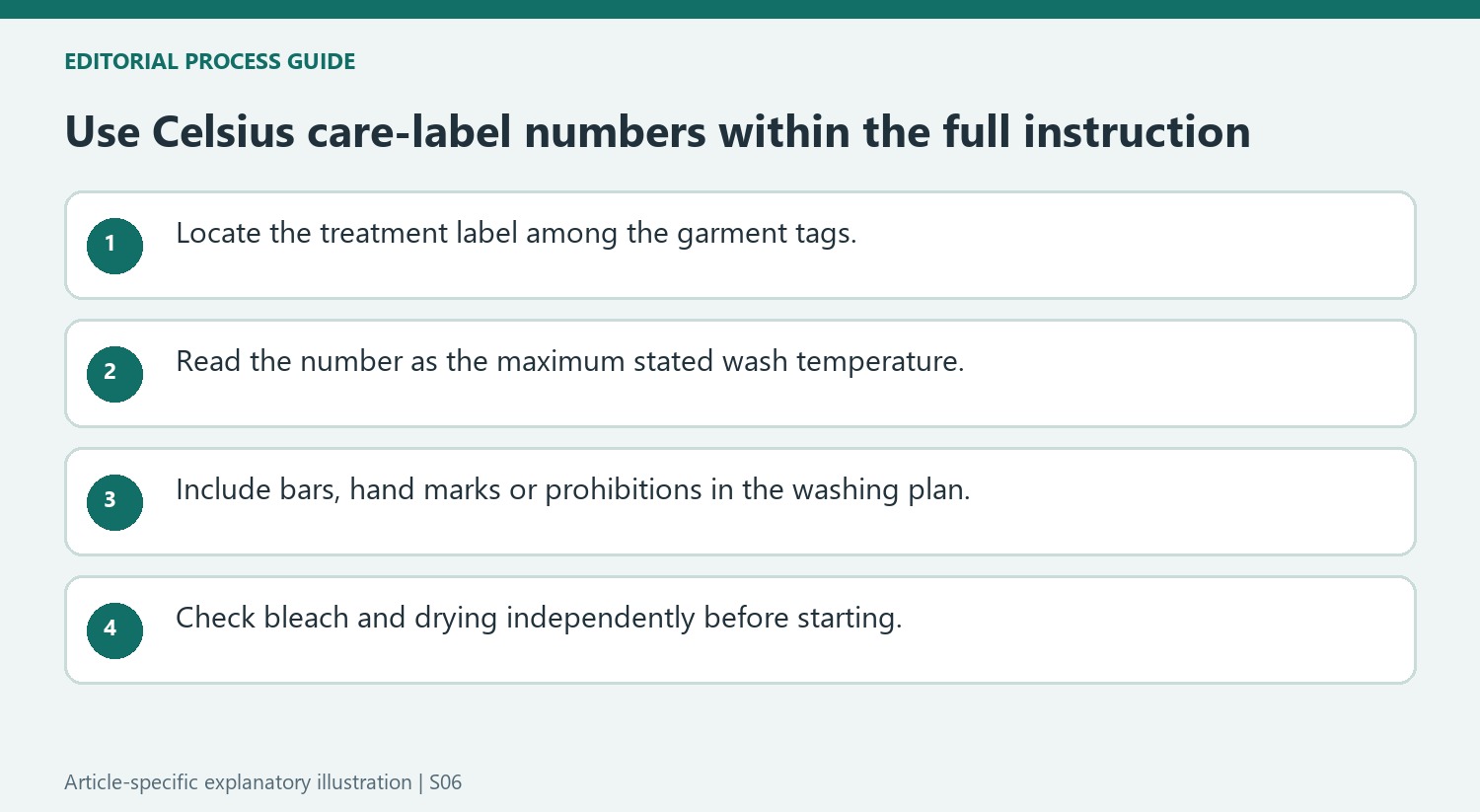
In Whirlpool's guide, numbers such as 30, 40, 50 and 60 within a washing symbol refer to degrees Celsius. They indicate the maximum recommended temperature for that item. The number should therefore be read as a limit, alongside the other process markings. Bars beneath the tub distinguish washing treatments, including permanent press or gentle cycles. A hand or cross changes the instruction more substantially. Reading all those parts together avoids treating a temperature setting as a complete washing plan or assuming every item made from a particular fiber shares the same limit.
Bleach requires an additional permission
Whirlpool identifies the triangle as the bleach symbol, with diagonal lines restricting use to non-chlorine bleach and a cross prohibiting bleaching. This decision is independent of whether machine washing is allowed. Drying is also addressed separately by the square and its contents. A practical routine is to read the wash limit, check the process, inspect the triangle and then plan the drying stage before starting. That sequence keeps different treatments from being accidentally bundled together. It also makes the care tag a working reference throughout laundry day instead of a label checked only when a problem appears.
Treat the printed wash number as a ceiling
Whirlpool describes numbers in the tub as Celsius temperature limits. A 40 marking therefore identifies a maximum recommended washing temperature for that item rather than an instruction to seek the hottest possible program. The other process marks remain relevant within that limit. A tub with additional bars can require gentler treatment, and a hand symbol indicates another washing route. Read the whole instruction before translating it to the controls. This is especially useful for mixed garments, where the fabric composition may sound familiar but the completed item includes trims, structure, or finishes. The label supplies care information for that garment, rather than merely repeating a rule for its main fiber.
Keep bleaching separate from the wash temperature
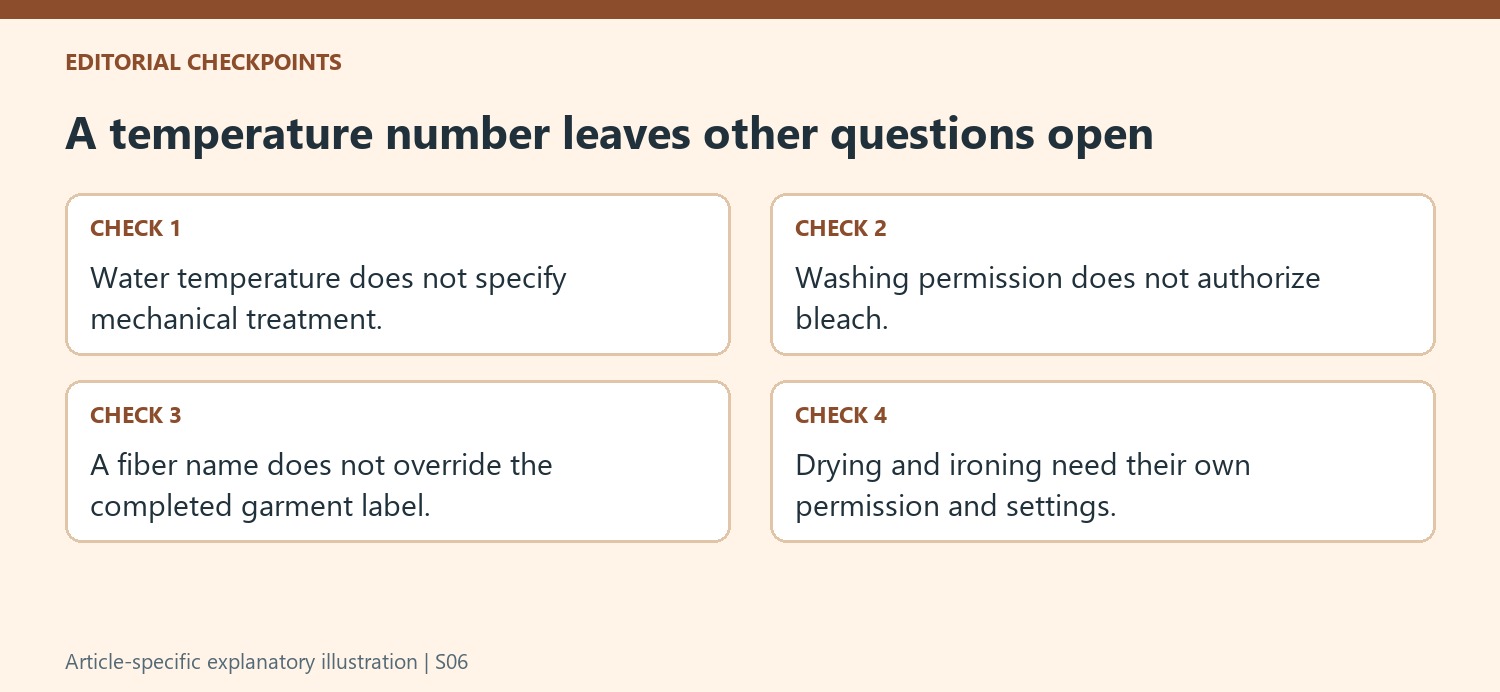
A permitted water temperature does not establish whether bleach can be used. The triangle gives that information independently, including a restriction to non-chlorine bleach or a prohibition. This distinction remains relevant for white or heavily stained clothing. Before adding a treatment, consult both the garment label and the product instructions so the chosen approach fits the permitted care. If two items have the same washing temperature but different bleaching instructions, those differences still matter when planning the load or treating individual marks. A label is useful because it separates these operations. Reading only the tub would leave a chemical-treatment decision unresolved even when the selected water setting is otherwise appropriate.
Carry the label through the end of the routine
The guide continues from washing into natural drying, tumble drying, ironing, and professional cleaning. Those stages can add restrictions that are easy to miss if the label is checked only while loading the washer. Plan the drying method in advance, then confirm any ironing permission before finishing. A garment can tolerate the chosen wash while needing a different support arrangement or lower heat afterward. The professional-cleaning information also belongs to its own process and should be retained for a cleaner where relevant. Keeping the full instruction set available makes the care routine consistent from sorting to storage, instead of allowing a familiar fabric name or a default dryer program to replace the garment's stated limits.
References
- Laundry care symbols explained. Whirlpool.