GarmentCare Guide

Identify the correct stage of care
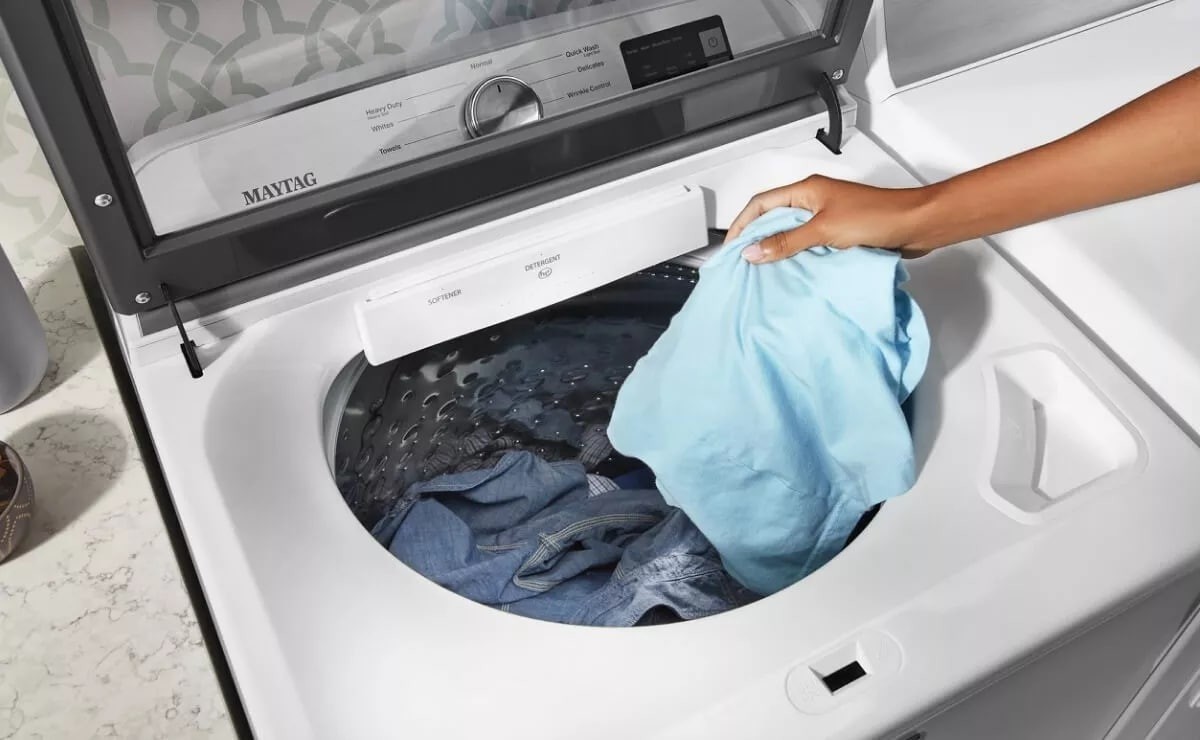
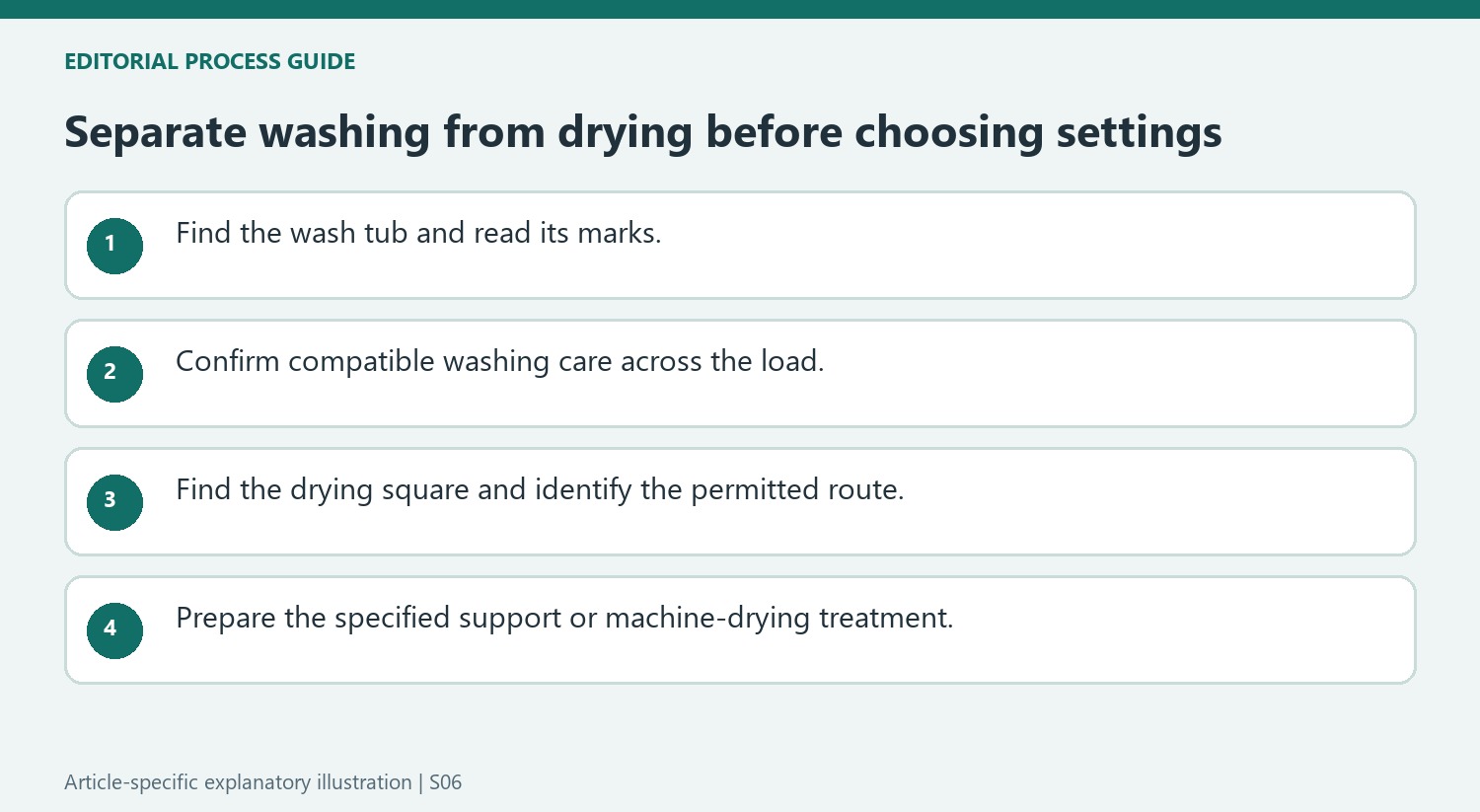
Maytag's laundry symbol guide starts by distinguishing washing instructions from drying instructions. The wash tub tells you about washing, whereas the square belongs to drying. That difference can be easy to miss on a small tag, particularly when both contain dots or bars. Read the enclosing shape first. A low-temperature washing instruction does not describe the dryer, and a drying restriction does not replace the wash directions. Treating the symbols as separate stages gives each decision a clear place in the laundry process.
Read the marks around the tub
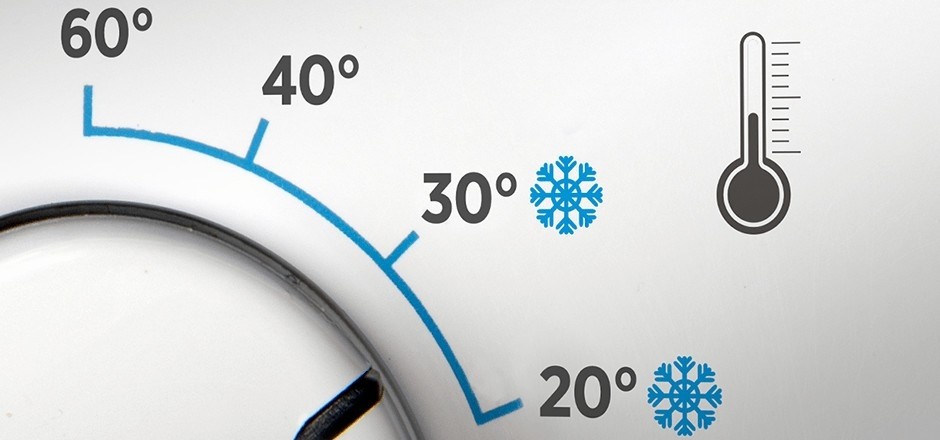
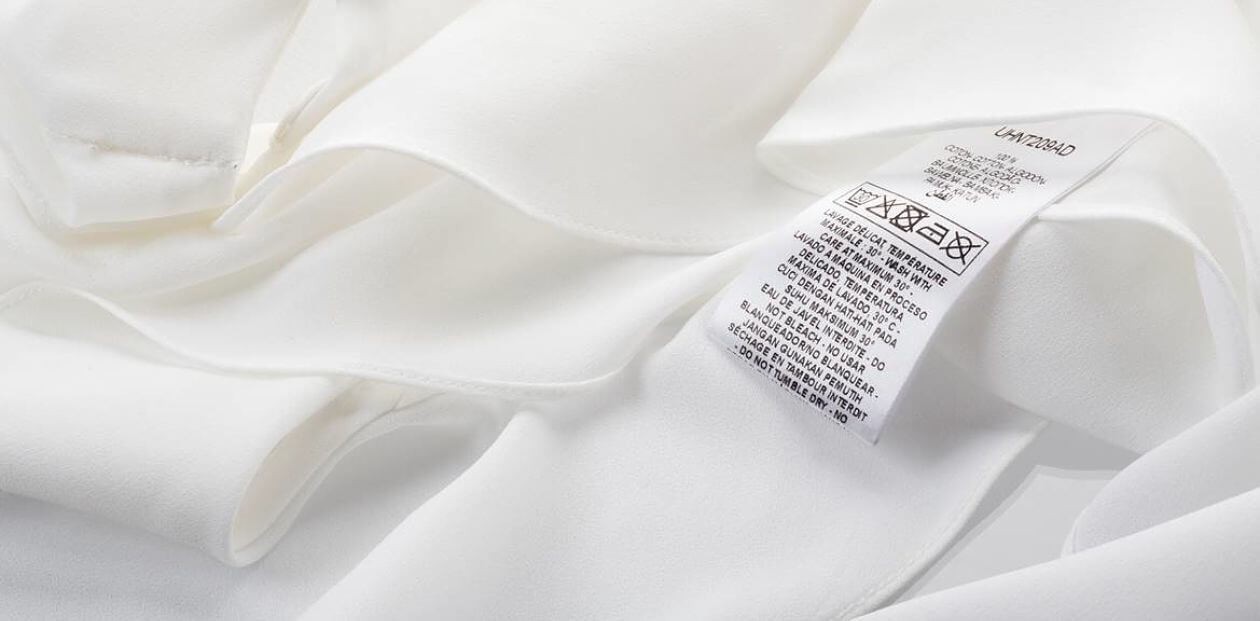
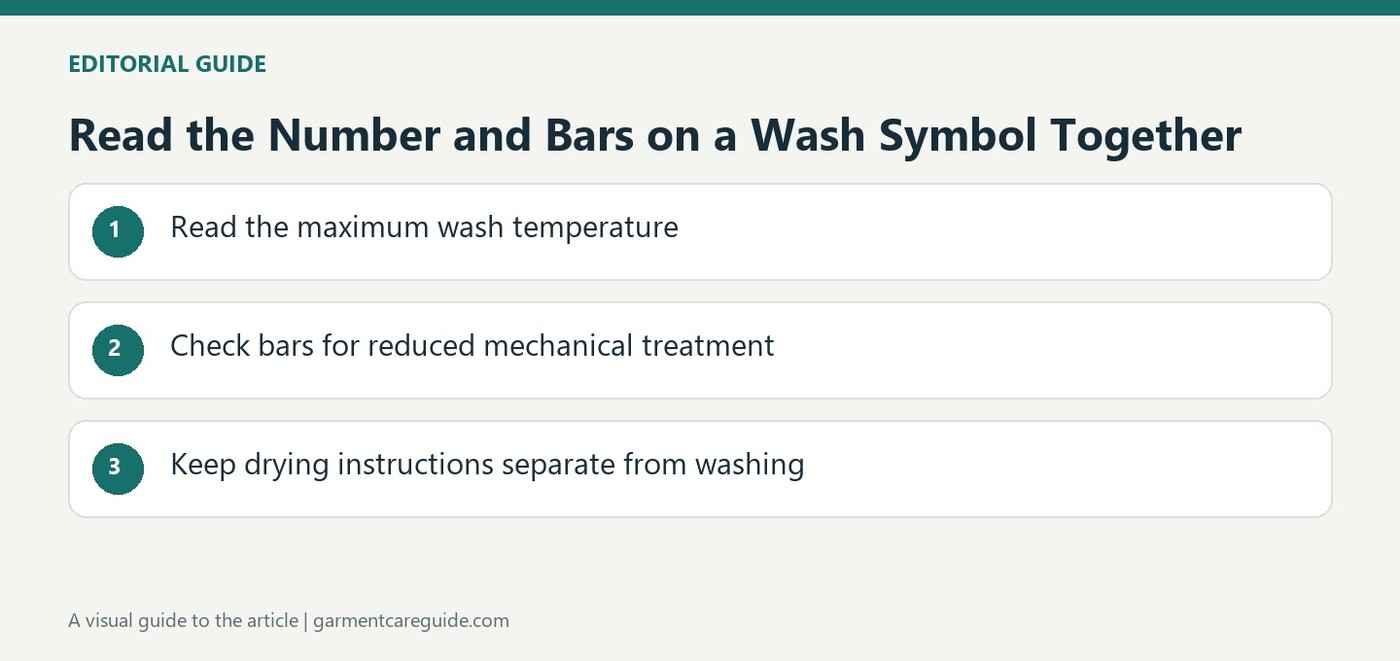
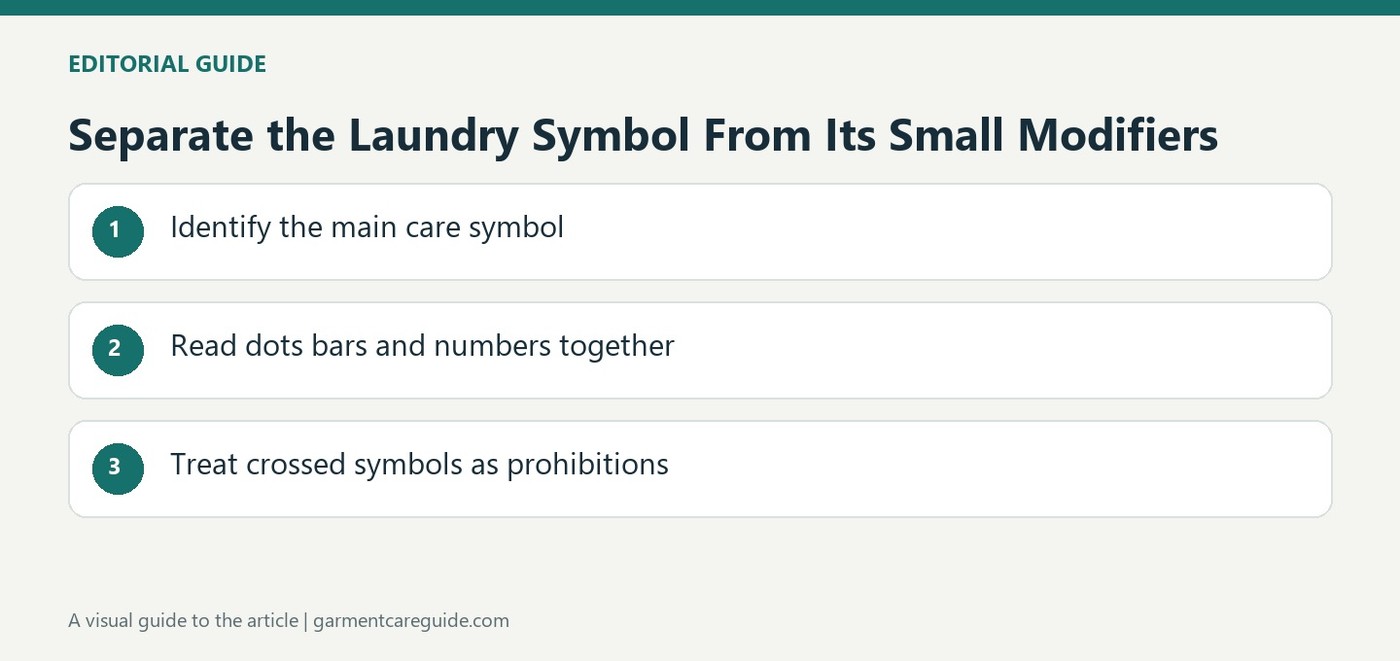
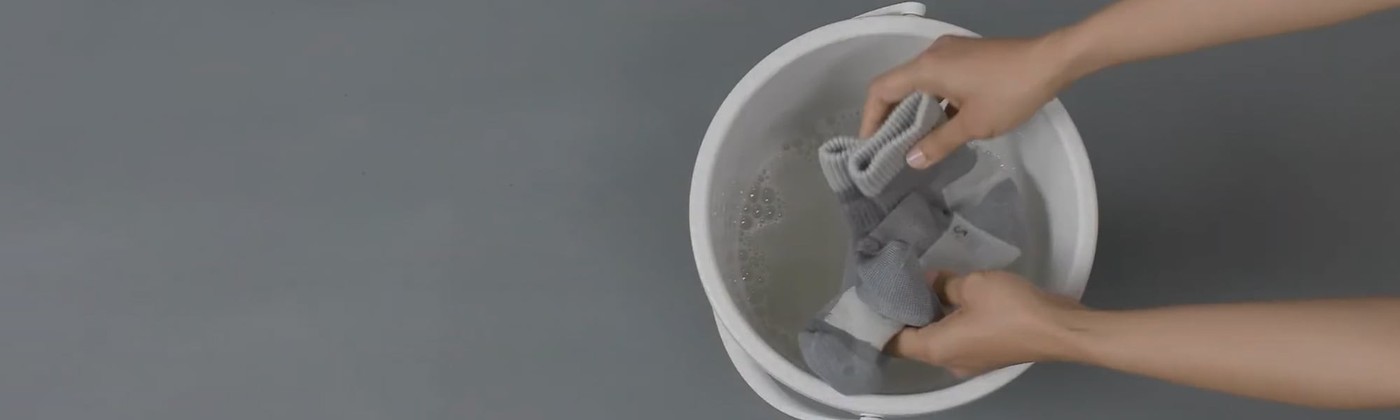
The guide explains that dots inside the tub relate to water temperature and bars underneath describe the wash process. A tub with one bar points to permanent press, while two bars indicate gentle or delicate washing. A hand identifies hand washing, and a crossed tub prohibits washing. Bleach is addressed separately through a triangle. These details help connect the care tag to the washer's controls without assuming that temperature is the only relevant setting. If several items are being considered for one load, their care requirements need to be compatible before a shared cycle is selected.
Choose the drying method before loading the machine
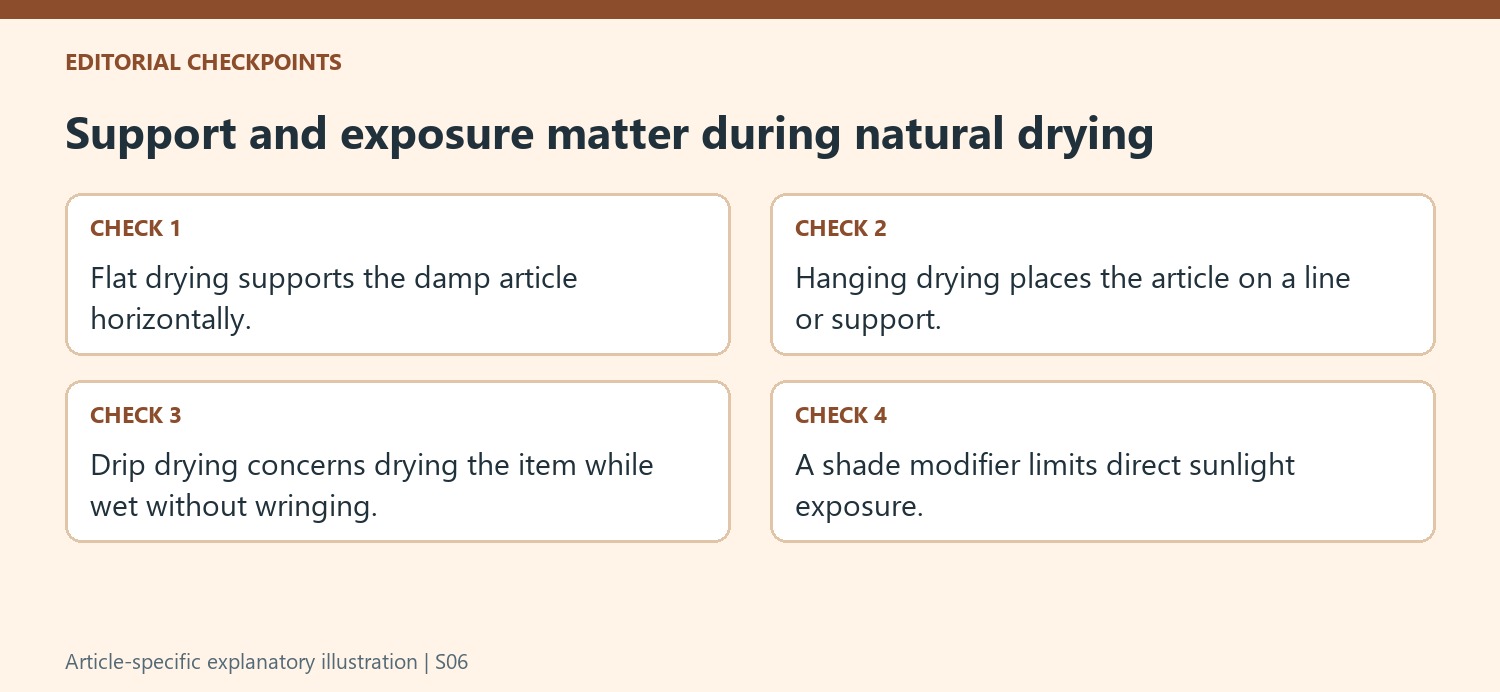
A circle inside a square indicates tumble drying, subject to any additional restrictions. Natural drying symbols instead use lines within the square to describe methods such as flat or drip drying. Maytag also identifies a shade modifier for items that should dry away from direct sunlight. These are instructions about how the garment should be supported and exposed while moisture leaves it. Checking them before unloading the washer helps avoid automatically transferring every item into a dryer. The remaining iron and professional cleaning symbols then guide later finishing or specialist treatment, completing the care plan.
Use the enclosing shape to prevent a setting error
Dots and bars can appear in more than one part of a care label, so their position matters. A temperature indication in a wash tub does not set the temperature of the dryer, and marks beneath a drying square do not modify washing. The first step is therefore recognizing the shape around the smaller marks. The guide's organization into washing and drying families makes this a practical reading method for a crowded tag. Work through one process at a time and identify its modifiers before moving to the next. This prevents a familiar dot count from being remembered without its context and applied to the wrong appliance during a later stage of laundry.
Check natural drying instructions before the clothes are wet
The guide distinguishes flat drying, hanging or drip arrangements, and drying away from direct sunlight. Each tells the user something about support or exposure while moisture leaves the article. These choices should be prepared before a load is started. A garment that needs a flat surface should not be hung automatically simply because a rack is nearby. Likewise, a shade requirement is additional information about where the item belongs. Match the actual label with the available space and keep any restriction on wringing in mind. Drying is a separate treatment, so doing the washing correctly does not remove the need to follow how the wet garment is supported afterward.
Keep the garment label and appliance program connected
The care label states what the item permits, while the appliance controls describe the available programs. Those sources of information need to be read together when translating a process requirement into a machine setting. The same load also needs compatible instructions across its contents; matching colors alone cannot establish that. After identifying washing permission, temperature, and process, check bleach and drying separately. Ironing and professional cleaning remain further decisions rather than implied permissions. When a regional or unfamiliar symbol appears, consult the manufacturer or a suitable symbol reference instead of inferring its meaning from one nearby mark. This keeps the routine anchored in the actual garment and the equipment being used to care for it.