GarmentCare Guide

Start with the process symbol
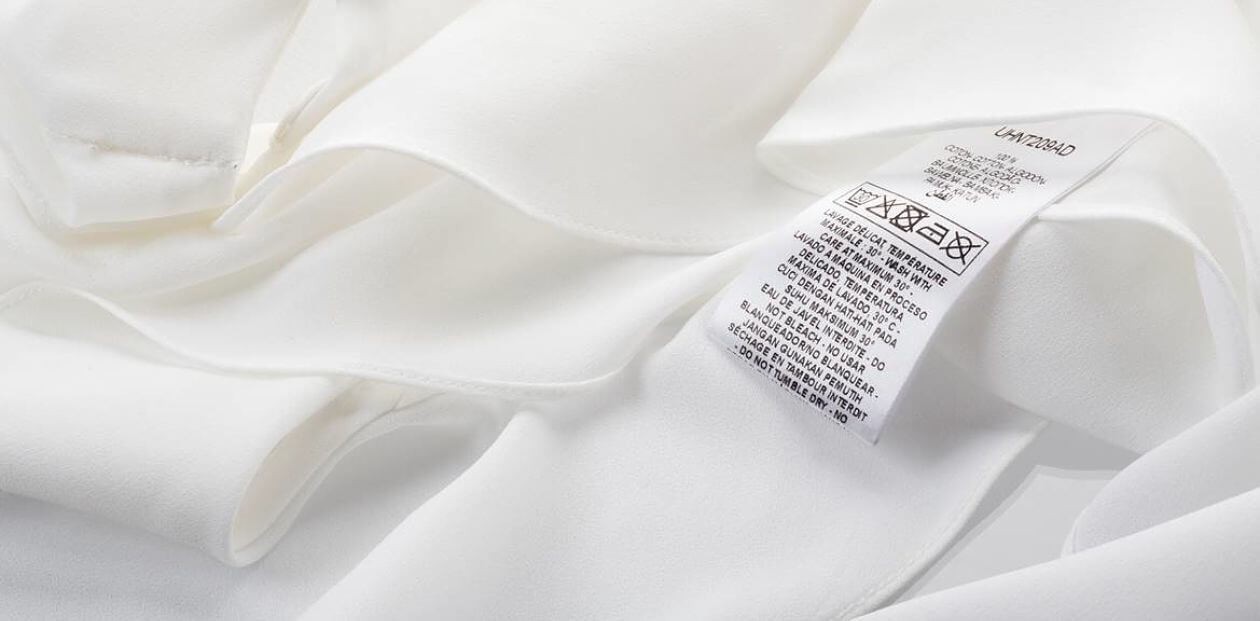
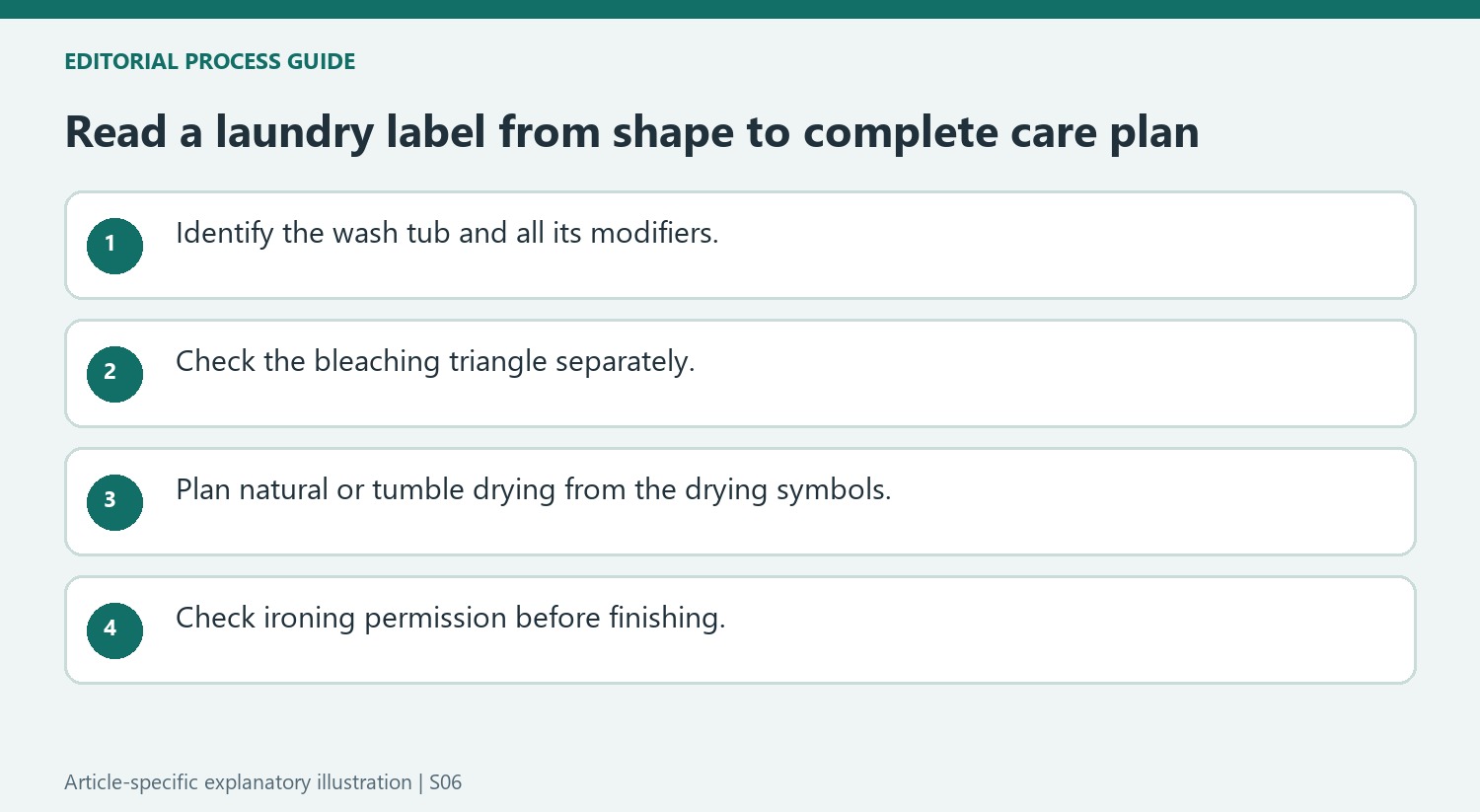
A clothing care label is easier to interpret when its basic shapes are identified before the smaller marks inside them. Tide's laundry symbol guide distinguishes a wash tub, a bleaching triangle, drying symbols and an iron. Each belongs to a different part of garment care. This means permission to put a shirt in the washing machine does not also give permission to bleach it or use a hot dryer. Read the group of symbols as a sequence of separate instructions for the same item.
Dots and bars answer different questions
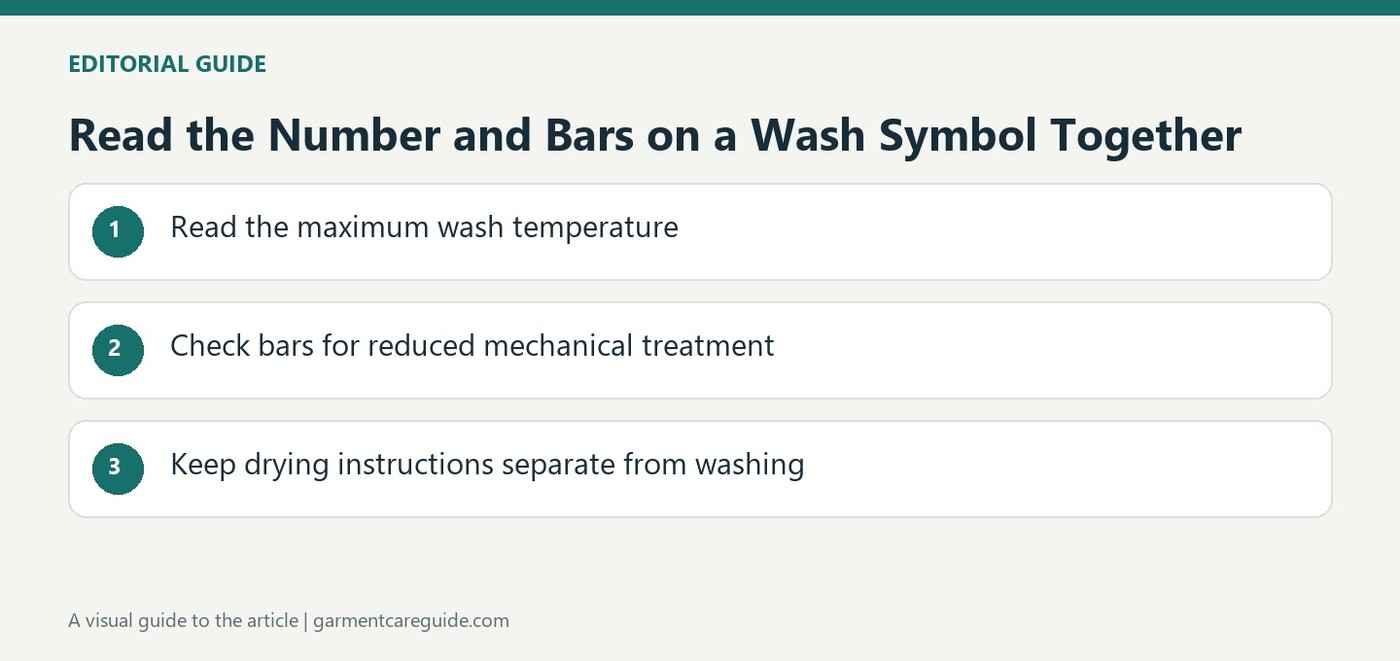
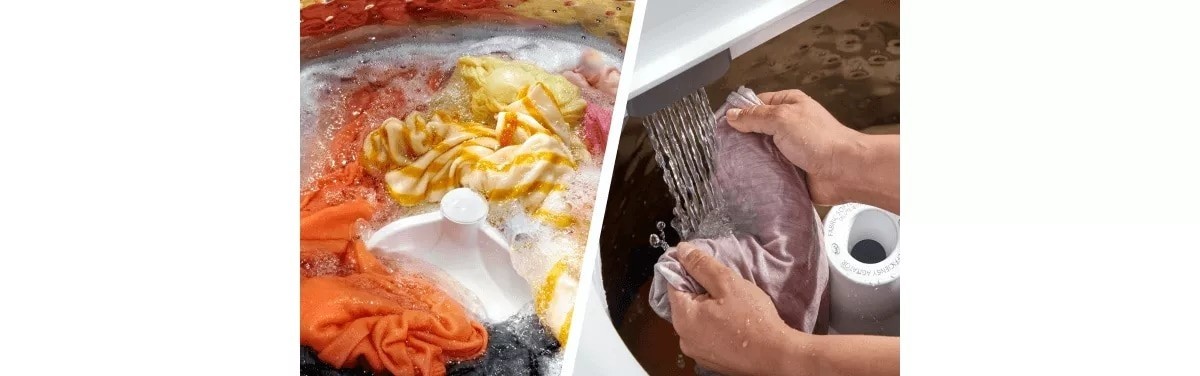
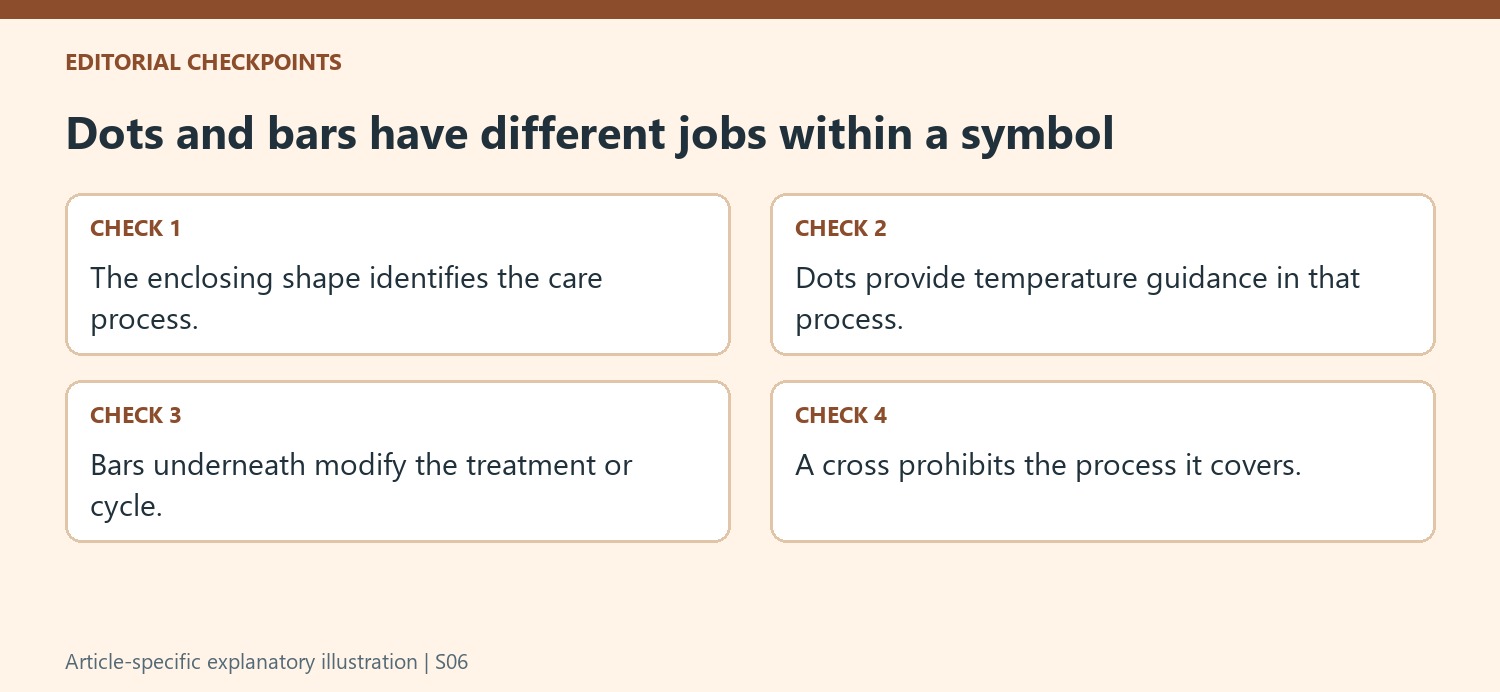
Within a washing symbol, dots communicate temperature guidance, while bars below the tub indicate a different washing process. Tide describes one bar for permanent press and two for a delicate or gentle cycle. A hand inside the tub changes the instruction again, identifying hand washing. Keeping these details separate avoids a common mistake: choosing cool water while overlooking the need for gentler mechanical treatment. Temperature and agitation are distinct settings, and both can affect whether the chosen wash matches the label. An X over a symbol indicates that the depicted process is prohibited.
Finish by checking how the item should dry
The drying stage deserves another look at the label before wet clothes leave the washer. A square containing a circle refers to tumble drying, with additional marks governing the permitted treatment. A horizontal line indicates flat drying, which is a different instruction from hanging an item on a line. Tide also distinguishes ironing heat and bleach permissions. Building a habit of reading these stages in order makes the label useful during the whole laundry routine. It also prevents a correctly washed garment from receiving an unsuitable treatment during the final steps.
Match the complete wash instruction to the controls
A tub with a temperature mark tells only part of the washing story. Before selecting a program, also look below it for the bars that modify the process. A cool wash on a vigorous cycle does not necessarily supply the treatment indicated by a gentler-process symbol. The guide's distinctions are therefore best used as a set of settings to match, rather than one isolated temperature to remember. If several garments are going into the same load, compare those requirements before starting. Items may share a color while requiring different handling. The common load needs a compatible process as well as a temperature permitted by every included care label.
A prohibition applies to the pictured treatment
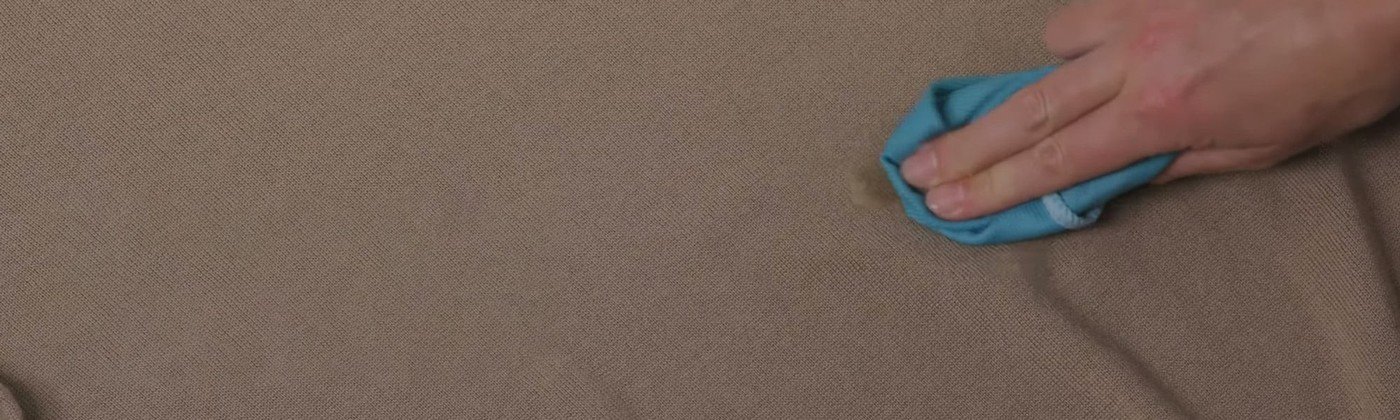
The X needs to be read together with the shape it crosses. A crossed wash tub concerns washing, while a crossed tumble-drying symbol concerns a different operation. Neither should be used to invent permission for another stage. The triangle similarly needs its own check before a bleach product is added. This matters when treating a stain, because local pretreatment is still part of caring for the same garment. A washable item can have restrictions on chemicals or later finishing. Keep the actual label in view while planning the sequence. When a mark is unfamiliar, identify its process family before consulting a reference so that the answer applies to the symbol being read.
Plan the support as well as the drying heat
Natural drying instructions describe how the wet article should be supported, not merely an instruction to avoid hot air. Laying a garment flat and hanging it from a line place its weight differently. The source also distinguishes a prohibition on wringing, which concerns how excess water is removed before drying. These details belong to the post-wash plan just as much as a dryer setting does. Arrange the appropriate surface or line before the item is wet, then check the iron symbol separately if finishing is needed. A correctly chosen washing cycle is one stage of the routine; preserving the intended drying and pressing instructions completes the care sequence for the particular garment.
References
- How to Read Laundry Symbols. Tide®; Tide.