 GarmentCare Guide
-

Separate Delicate Whites from More Robust White Laundry
White colour alone does not mean garments should share the same wash programme.
-

Sorting Laundry by Fabric: A Sorting System Can Make Laundry More Predictable
Homes & Gardens places care labels at the start of a useful sorting routine. Sorting by color is useful, but fabric weight and care requirements are equally important.
-

Polyester Blends Still Need Individual Laundry Checks
Machine-washable polyester benefits from suitable heat settings and timely removal from the dryer.
-

Let the Full Fibre Blend Guide Elastane Laundry
Stretch clothing may combine elastane with cotton, nylon or polyester, changing its care needs.
-
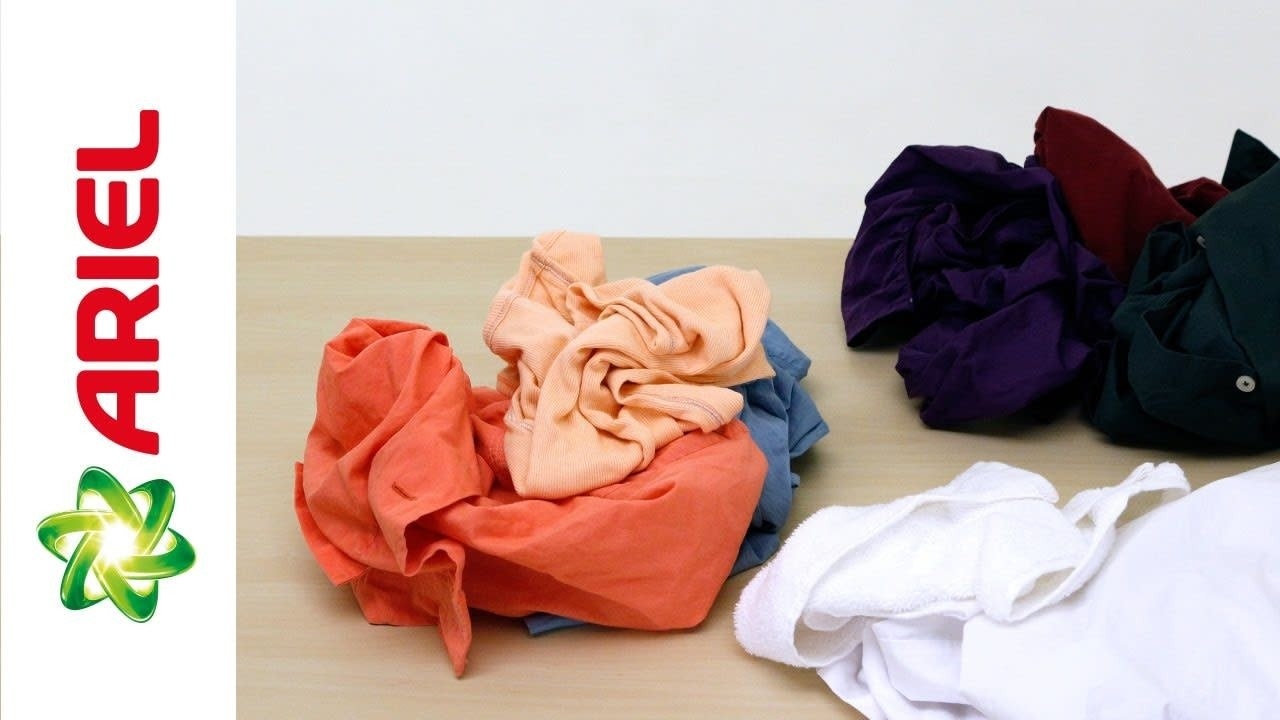
Sorting Laundry by Fabric: Separating Laundry Means Matching Care Requirements
Ariel explains how dye transfer can change the appearance of lighter clothing and recommends separating whites, light shades, dark shades, and delicates. Sorting by color is useful, but fabric weight and care requirements are equally important.
-

Plan Travel Laundry Before Packing the Suitcase
A small wash kit and separate laundry bag make clothing care easier away from home.
-
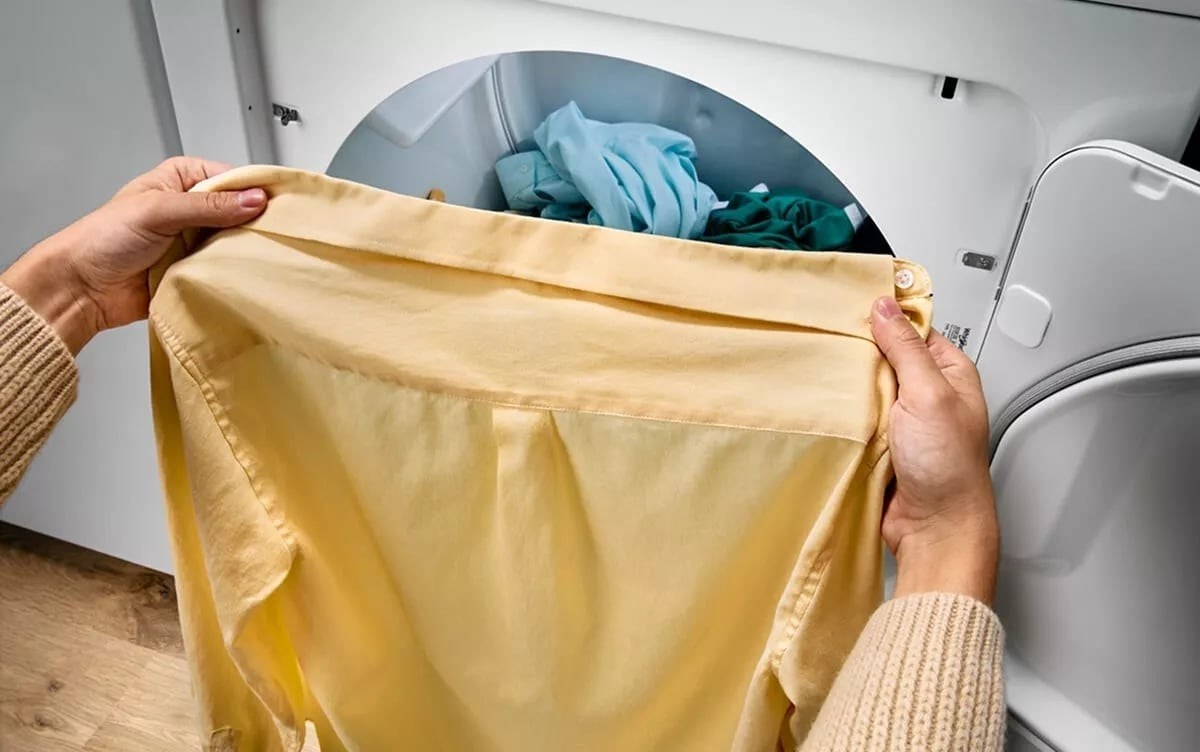
Cold and Warm Wash Comparisons: A Practical Framework for Separating Clothing Loads
Whirlpool's sorting guide considers color, fabric, soil, care labels, and whether an item is new. Water temperature works alongside detergent, time, and mechanical action.
-

Unload Coloured Laundry Promptly to Limit Dye Transfer
Cold washing, sensible sorting and timely unloading help preserve coloured garments.
-

Cold and Warm Wash Comparisons: Reducing Shrinkage Risk Across Washing and Drying
Maytag connects shrinkage risk with fiber type, water temperature, and dryer settings. Water temperature works alongside detergent, time, and mechanical action.
-
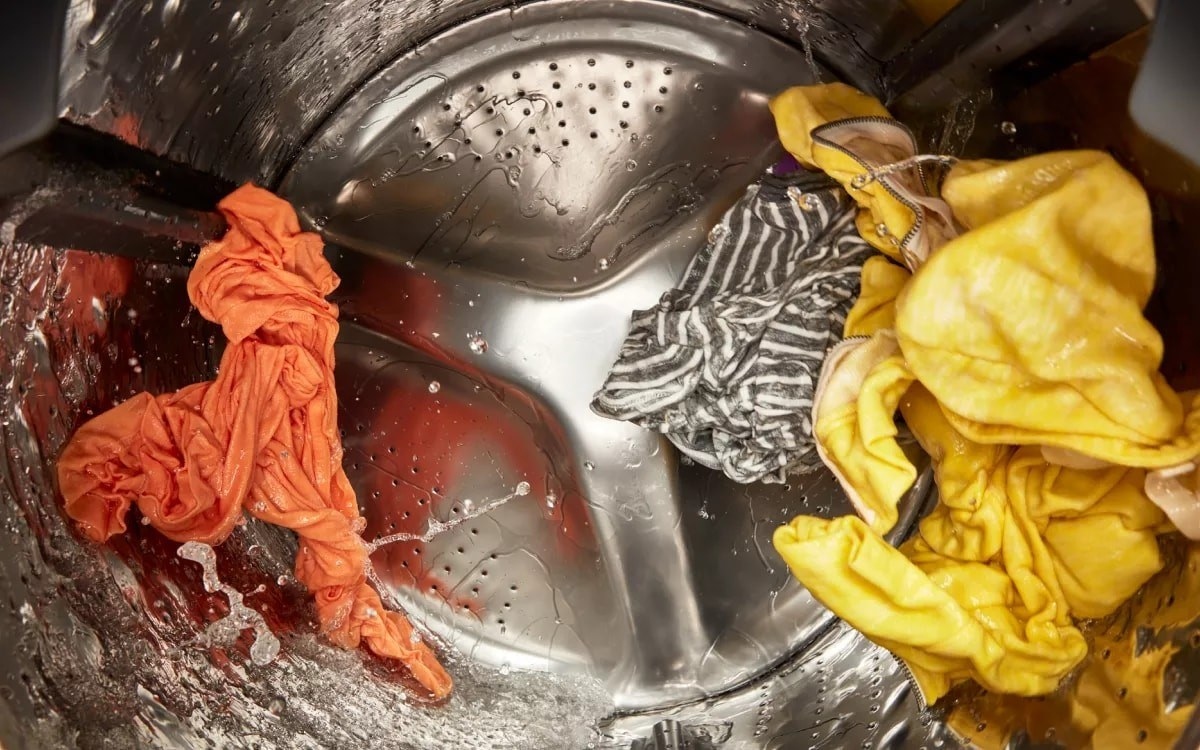
Cold and Warm Wash Comparisons: Water Temperature Affects Fabrics Differently
Whirlpool's guide explains that whether clothing shrinks in warm or hot water depends on its fabric. Water temperature works alongside detergent, time, and mechanical action.
-

Cold Inside-Out Washing Helps Preserve Denim Colour
Jeans care benefits from controlled washing rather than relying on freezer myths.
-

Sort Laundry by Weight as Well as Colour
Fabric type, soil level and garment weight help determine a compatible washing load.
-

Use a Cool Laundry Routine When a Modal Garment Permits It
Ariel describes cold machine washing and careful finishing for suitable modal clothing.
-

Washing Delicate Fabrics: Protecting Washable Delicates from Snagging
Tide's delicate-fabric guide recommends reading the label before choosing detergent, temperature, or wash action. Delicate clothing can be vulnerable to snagging, abrasion, twisting, and loss of shape.
-

Washing Delicate Fabrics: Delicates Need Different Treatment According to the Item
Tide distinguishes lingerie, silk clothing, and sheepskin products rather than grouping every delicate item into one method. Delicate clothing can be vulnerable to snagging, abrasion, twisting, and loss of shape.
-

Washing Linen Clothing: Washing, Drying, and Storing Linen Carefully
Linen is made from flax, but a garment may combine it with other fibers. Linen garments may contain blends and construction details that change their care requirements.
-

Washing Dark Clothing: A Compatible Laundry Load Has Several Things in Common
Maytag groups compatibility around color, fabric weight, soil level, temperature, and cycle. Dark color introduces concerns about fading and dye transfer, but it does not eliminate differences in fabric and construction.
-

School Uniform Loads Need More Than One Laundry Routine
White shirts, embroidered jumpers and sports kit require different washing choices.
-

Choose a Nylon Wash Routine From the Finished Garment's Label
Ariel's nylon guidance makes washing and drying permission conditional on the particular item.
-

Washing Dark Clothing: Reducing Fading Requires More Than Separating Colors
Ariel's guidance on fading focuses on the way garments are sorted and handled, including turning suitable clothing inside out. Dark color introduces concerns about fading and dye transfer, but it does not eliminate differences in fabric and construction.

