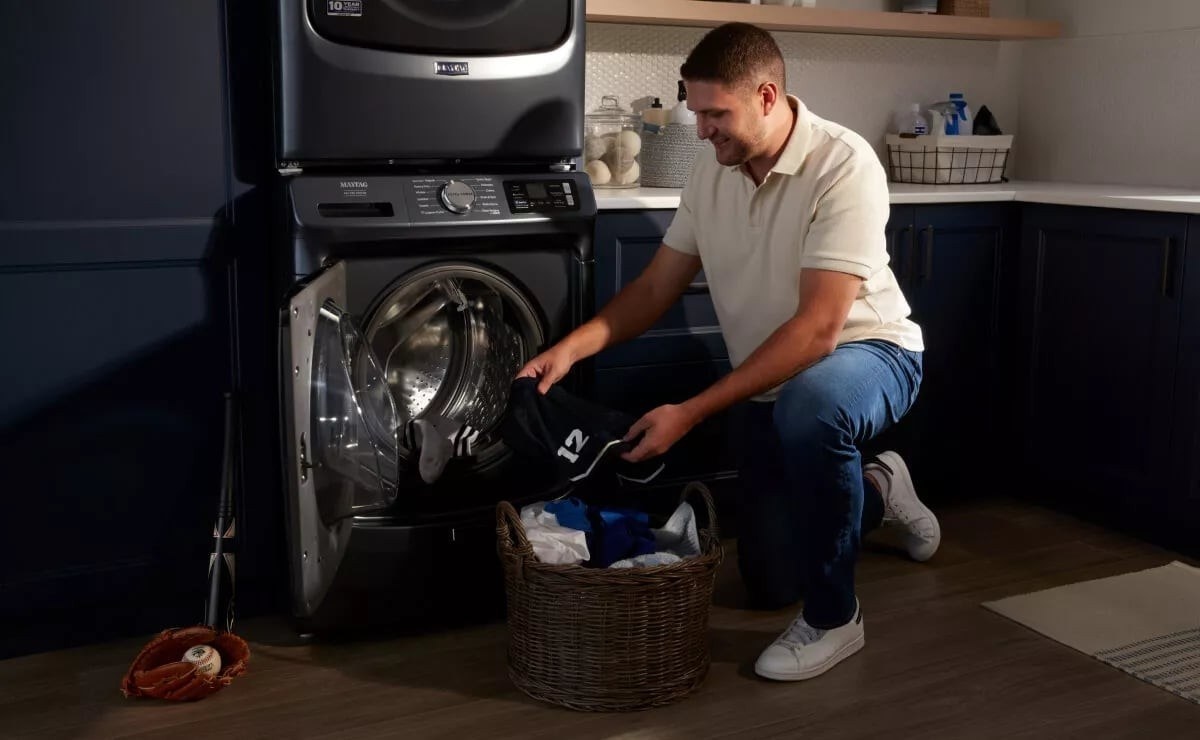
GarmentCare Guide
Cold and Warm Wash Comparisons
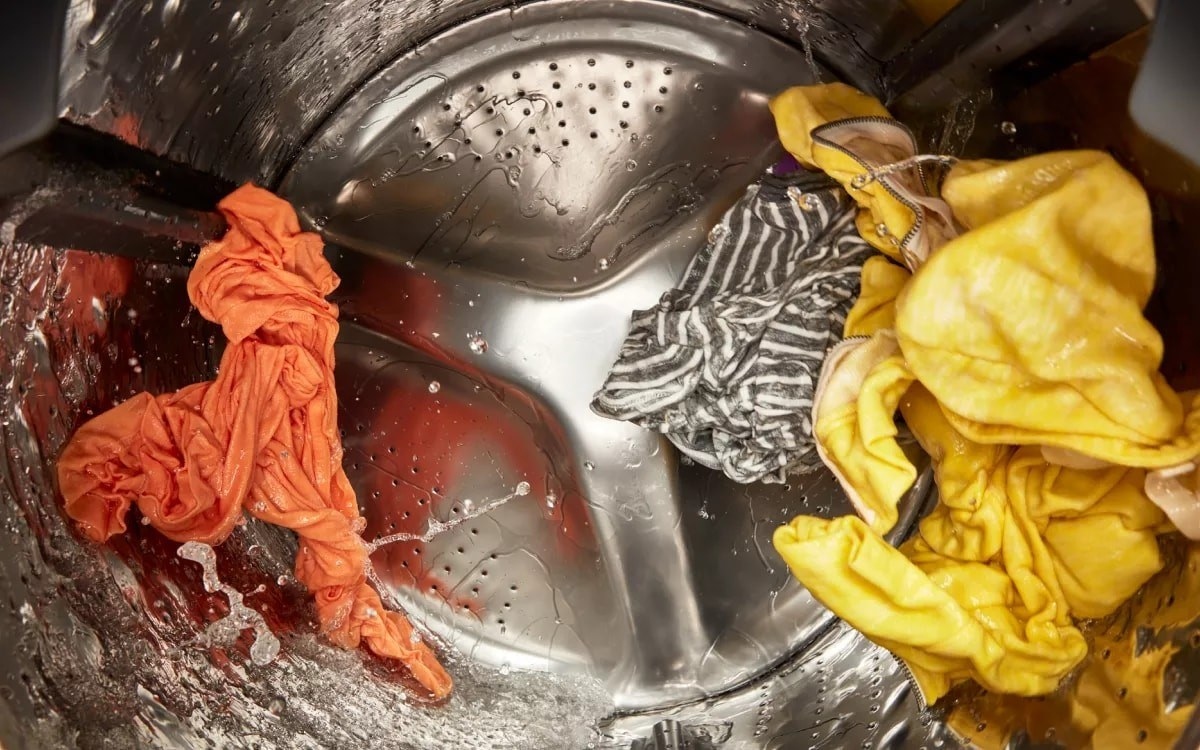
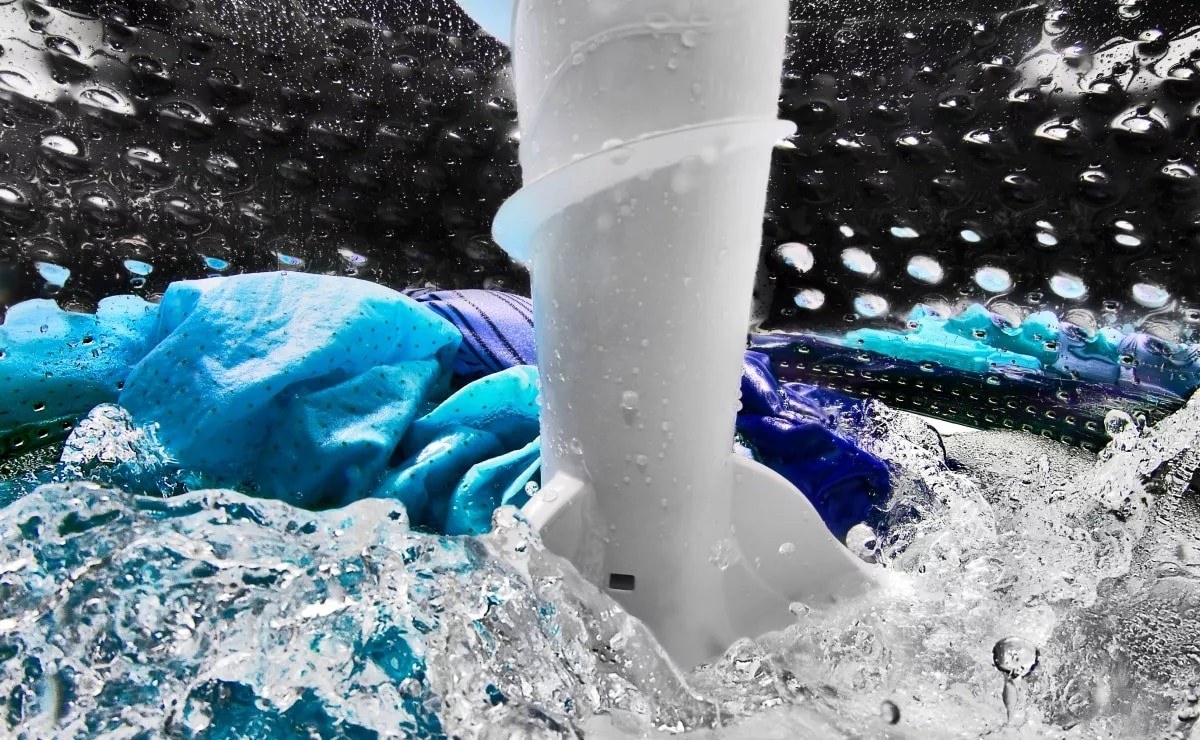
Water temperature works alongside detergent, time, and mechanical action. The warmer option is not automatically better for a garment, and the colder option does not remove every restriction on washing. Match the process to the label and the type of soil, while keeping dye transfer and fabric distortion in mind when deciding which items can share a load.
Heat and fabric both matter
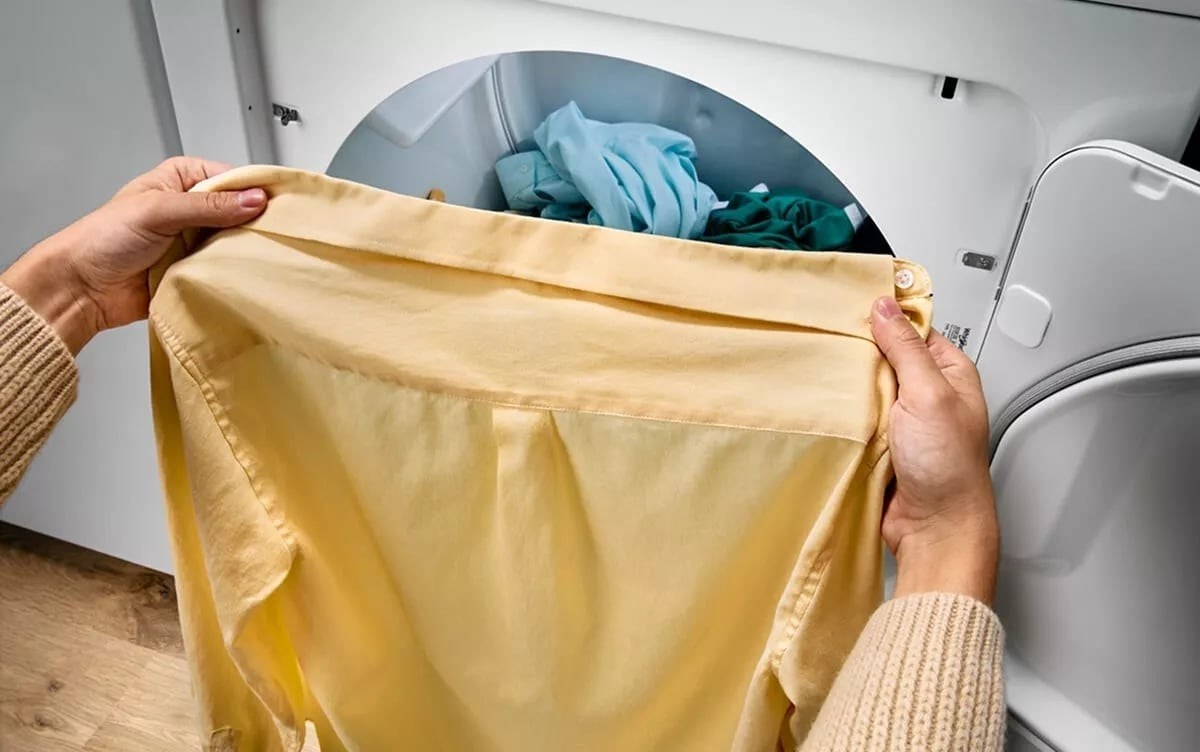
Maytag connects shrinkage risk with fiber type, water temperature, and dryer settings. It recommends checking labels and separating garments that need different treatment. A cooler wash may help suitable fabrics, but the complete care instruction still decides whether the machine and dryer are appropriate.
Do not undo a careful wash
The drying stage can expose clothing to more heat and movement after the wash is finished. Choose an allowed low-heat or air-drying method rather than assuming a successful wash makes any dryer cycle safe. Natural-fiber garments deserve particular attention, while blends and pre-treated fabrics should still be assessed according to their own labels.