 GarmentCare Guide
-
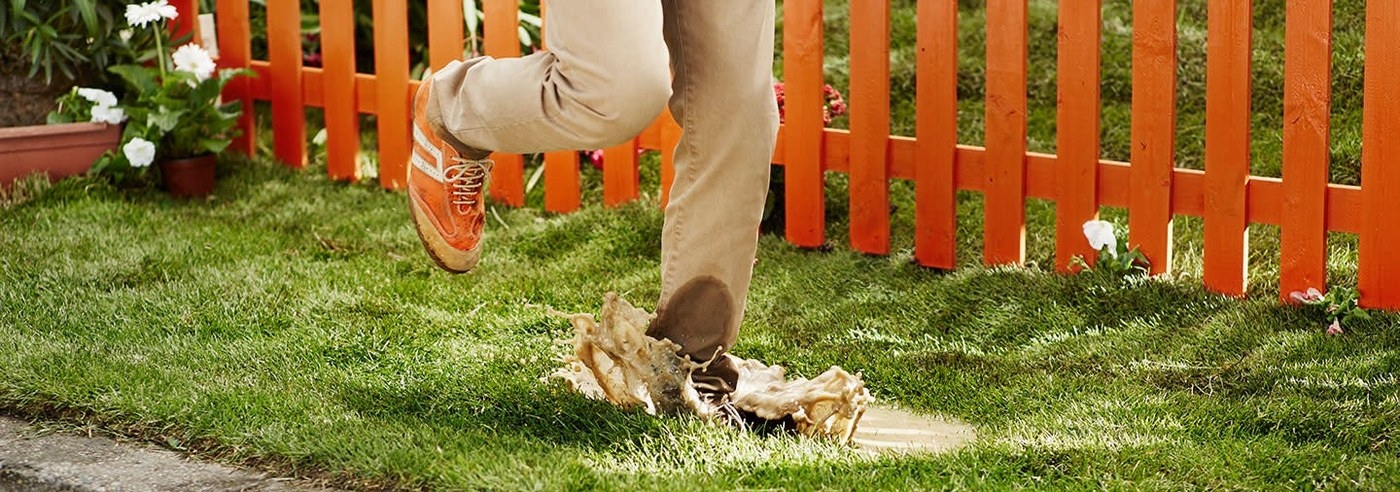
Mud-Stain Care for Jeans: Removing Excess Mud Before the Main Wash
Tide's mud guide begins with carefully removing excess mud and rinsing the remaining mark. Mud on jeans does not justify the strongest wash setting without a care check.
-

Mud-Stain Care for Jeans: A Mud-Stain Routine That Avoids Overloading
Ariel describes removing excess mud from heavily soiled clothing before the wash. Mud on jeans does not justify the strongest wash setting without a care check.
-
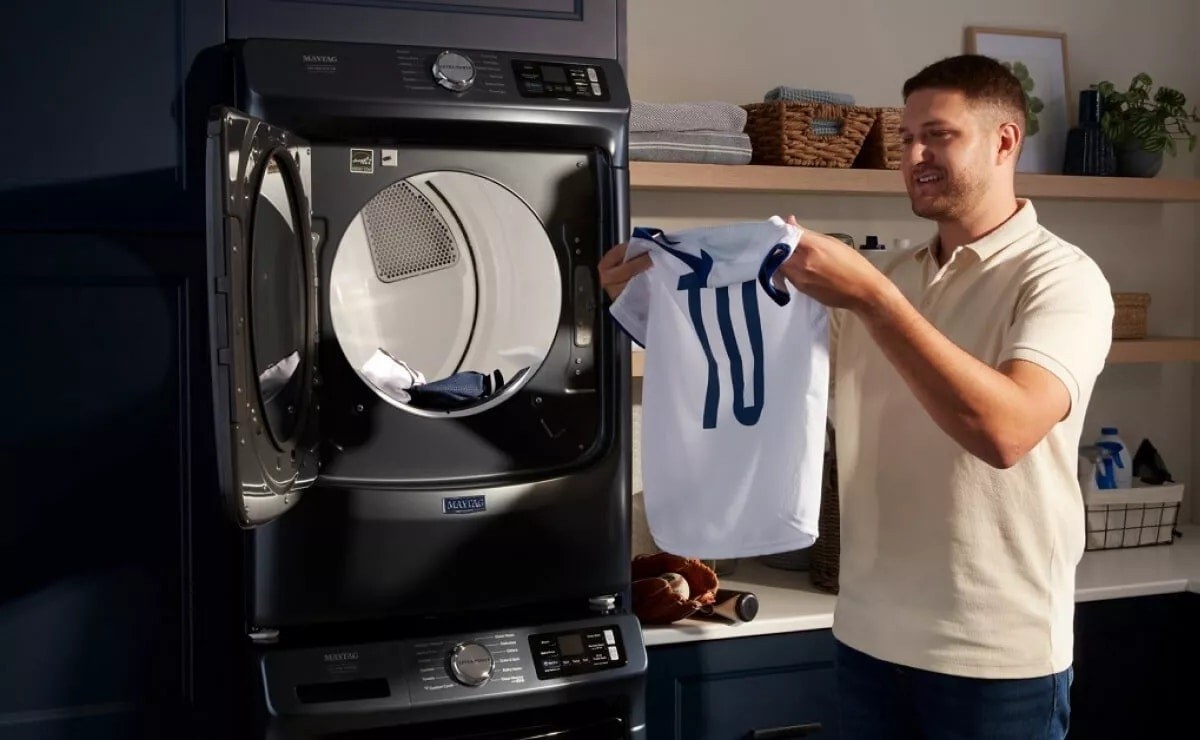
Mud-Stain Care for Jeans: Cold Rinsing and Pretreatment for Mud Marks
Maytag describes gently removing excess soil, rinsing the remaining mark with cold water, and applying an appropriate detergent treatment. Mud on jeans does not justify the strongest wash setting without a care check.
-

Mud-Stain Care for Jeans: Pretreatment Helps Remove the Remaining Mud Mark
Homes & Gardens describes lifting away excess mud before addressing what remains in the fabric. Mud on jeans does not justify the strongest wash setting without a care check.
-

Grass, Mud and Collar Grime Need Different First Steps
Outdoor laundry benefits from matching preparation to the kind of dirt on the fabric.
-

Distinguish Sweat Marks From Deodorant Build-Up
Underarm discoloration can arise from perspiration or residues transferred from antiperspirant products.
-
Treating Sweat Stains on Shirts: Underarm Discoloration Can Include Product Buildup
Ariel distinguishes perspiration from residue associated with deodorant or antiperspirant. Underarm stains can involve perspiration, body oils, and deodorant or antiperspirant residue.
-
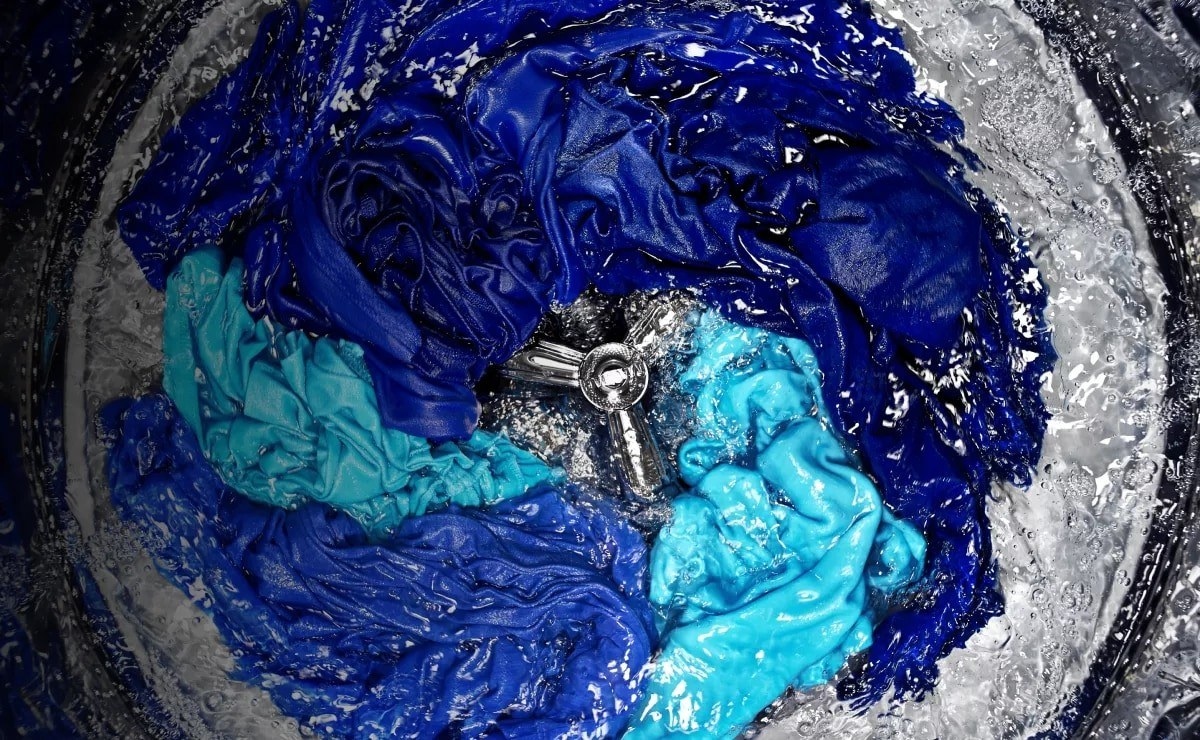
Treating Sweat Stains on Shirts: Treating Sweat Stains Without Setting Them in Heat
Maytag explains that perspiration, body oils, and deodorant ingredients can contribute to underarm discoloration over time. Underarm stains can involve perspiration, body oils, and deodorant or antiperspirant residue.
-
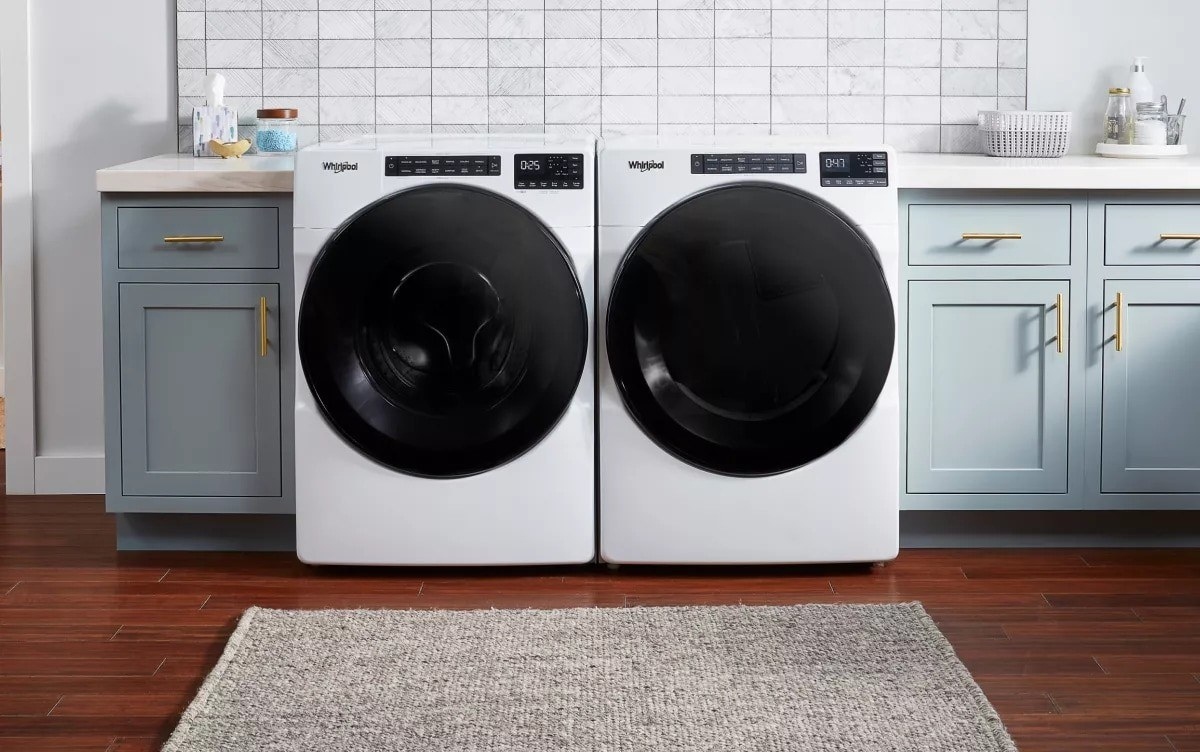
Treating Sweat Stains on Shirts: Sweat-Stain Care Includes a Drying Decision
Whirlpool connects underarm yellowing with sweat, body oils, and common deodorant ingredients. Underarm stains can involve perspiration, body oils, and deodorant or antiperspirant residue.
-
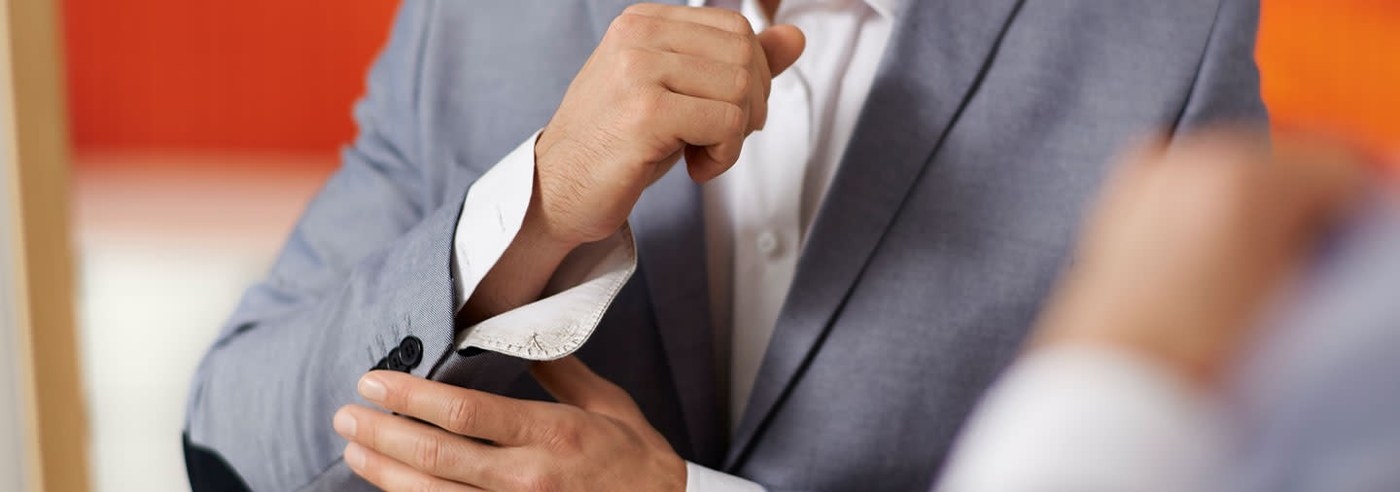
Treating Sweat Stains on Shirts: Collars and Cuffs Collect Concentrated Body Soil
Tide's collar-and-cuff guide addresses the concentrated soil that can collect where clothing contacts the skin. Underarm stains can involve perspiration, body oils, and deodorant or antiperspirant residue.
-
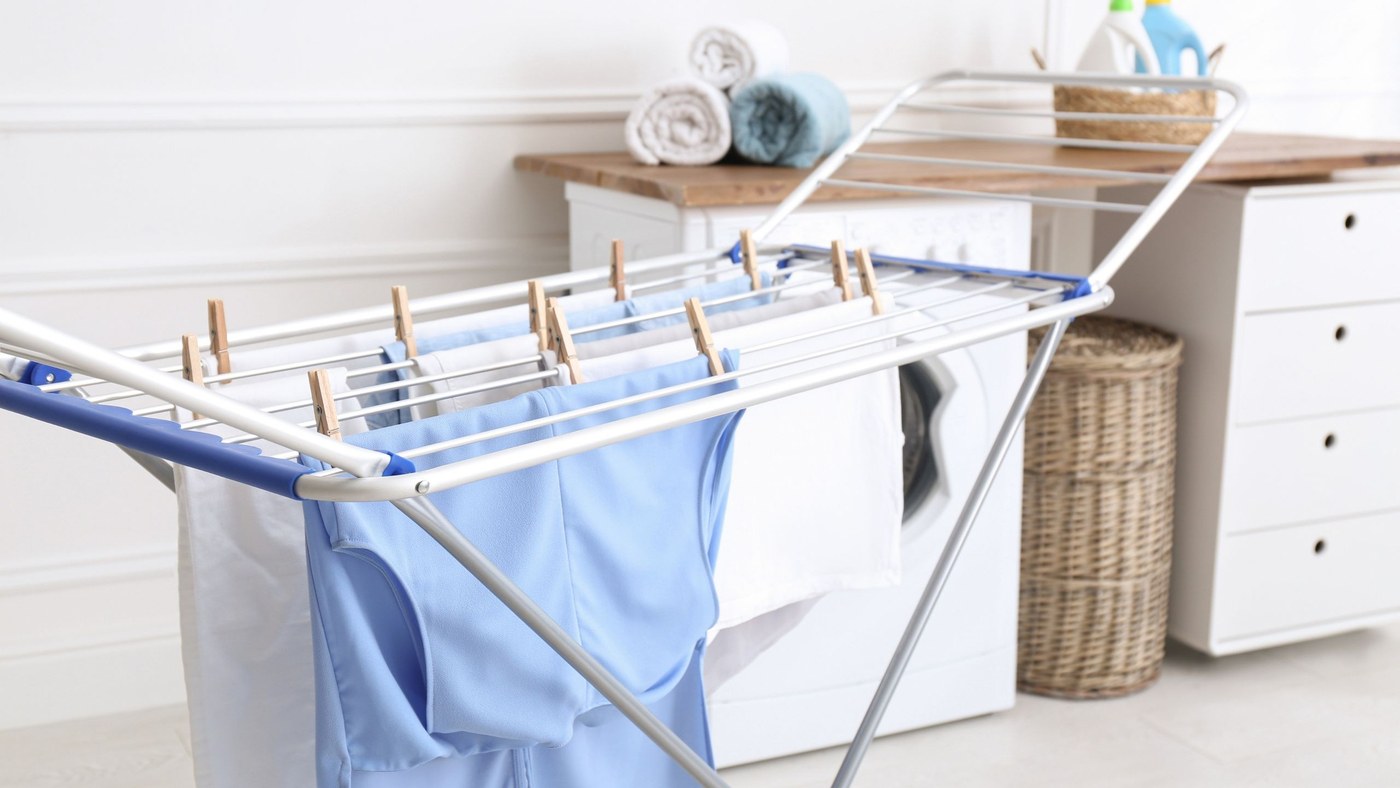
Plan Laundry Drying Space That Can Fold Away
Retractable and folding equipment can reduce the floor space occupied between laundry days.
-
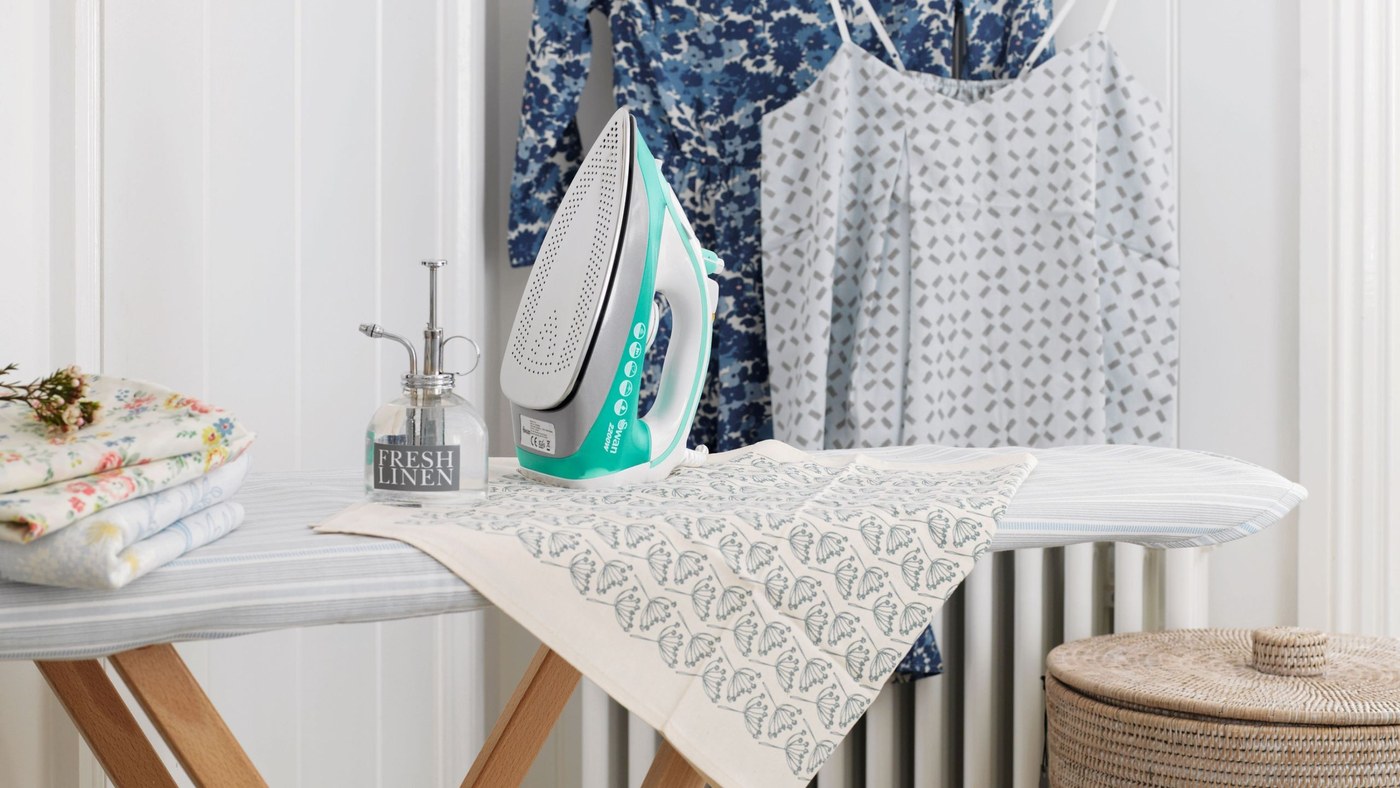
Check an Iron's Steam Capability Before Using It Vertically
Some steam irons can refresh hanging garments, but the appliance and fabric instructions still apply.
-
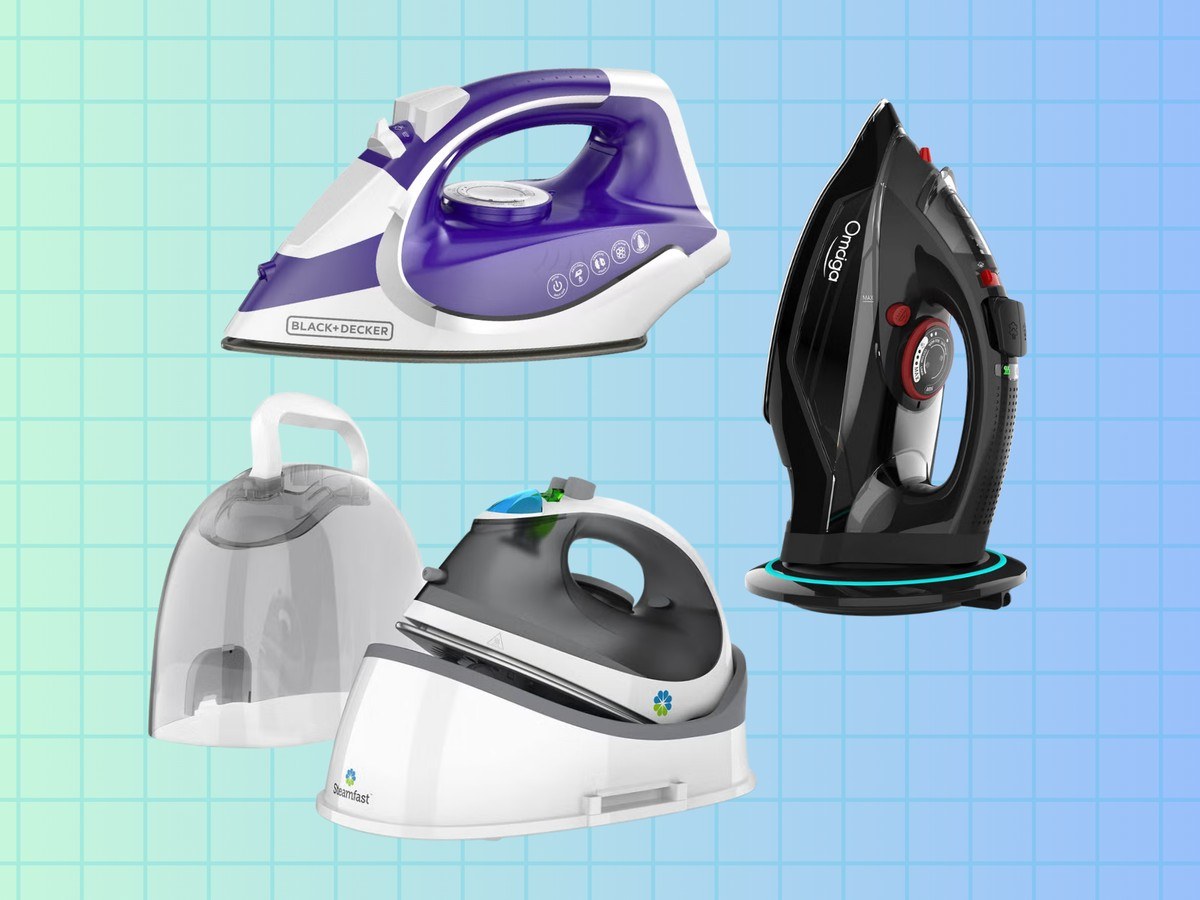
Compare Cordless Irons by More Than Freedom of Movement
Wrinkle removal, steam output and safety features matter alongside the absence of a trailing cord.
-
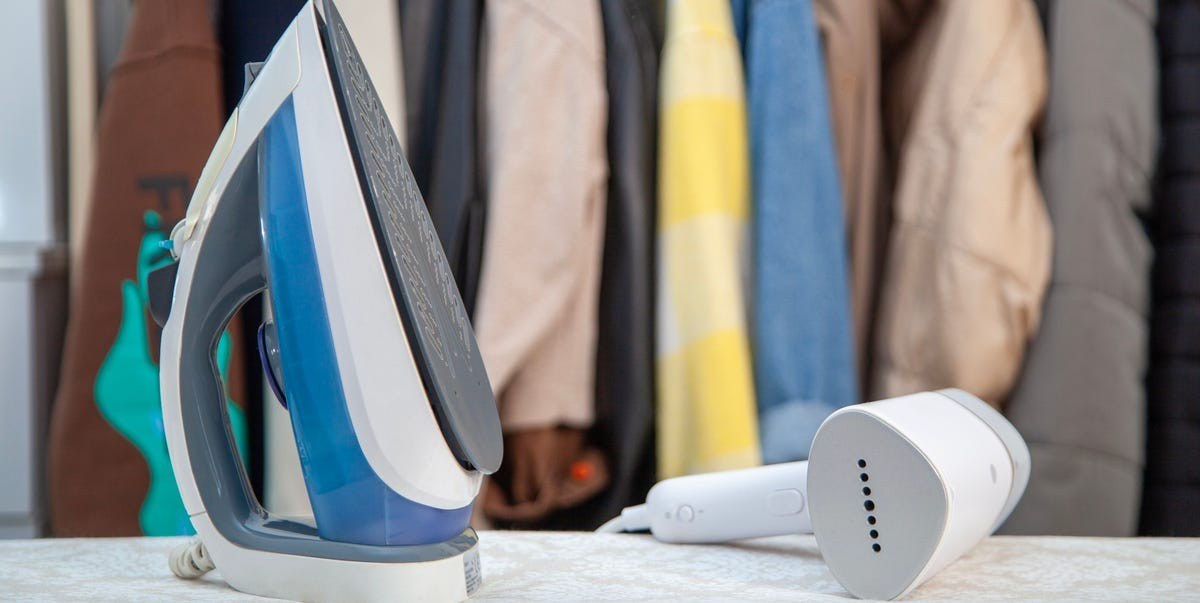
Choose Pressing or Steaming for the Finish You Need
An iron suits crisp creases, while a garment steamer can refresh soft shapes on the hanger.
-

Air Drying Sweaters: Indoor Drying Needs Space and Humidity Control
Homes & Gardens describes using a generously sized drying rack rather than crowding wet garments together. Drying needs attention even after a sweater has been cleaned correctly.
-
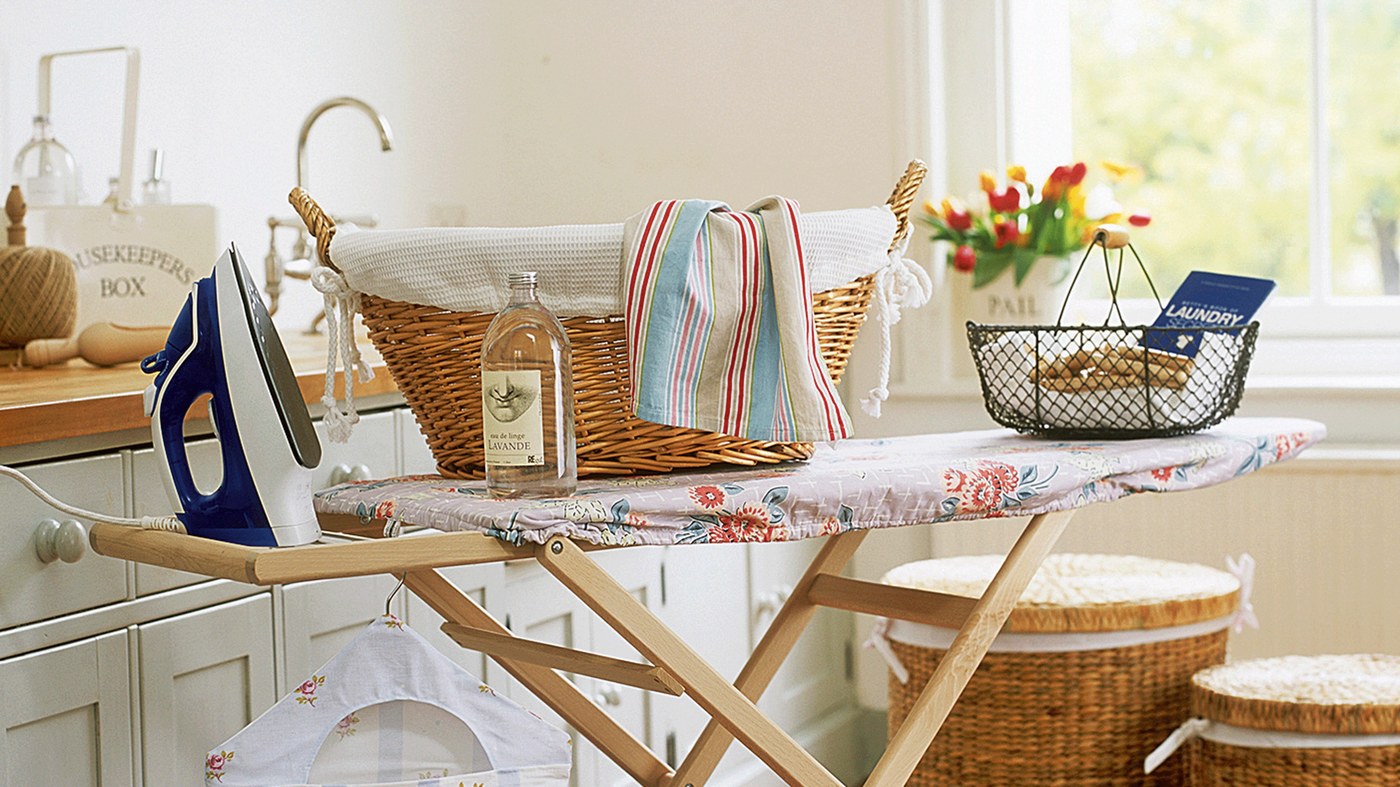
Prepare a Burnt Iron before Treating the Soleplate
Unplugging, emptying, and cooling come before any attempt to remove scorched residue.
-
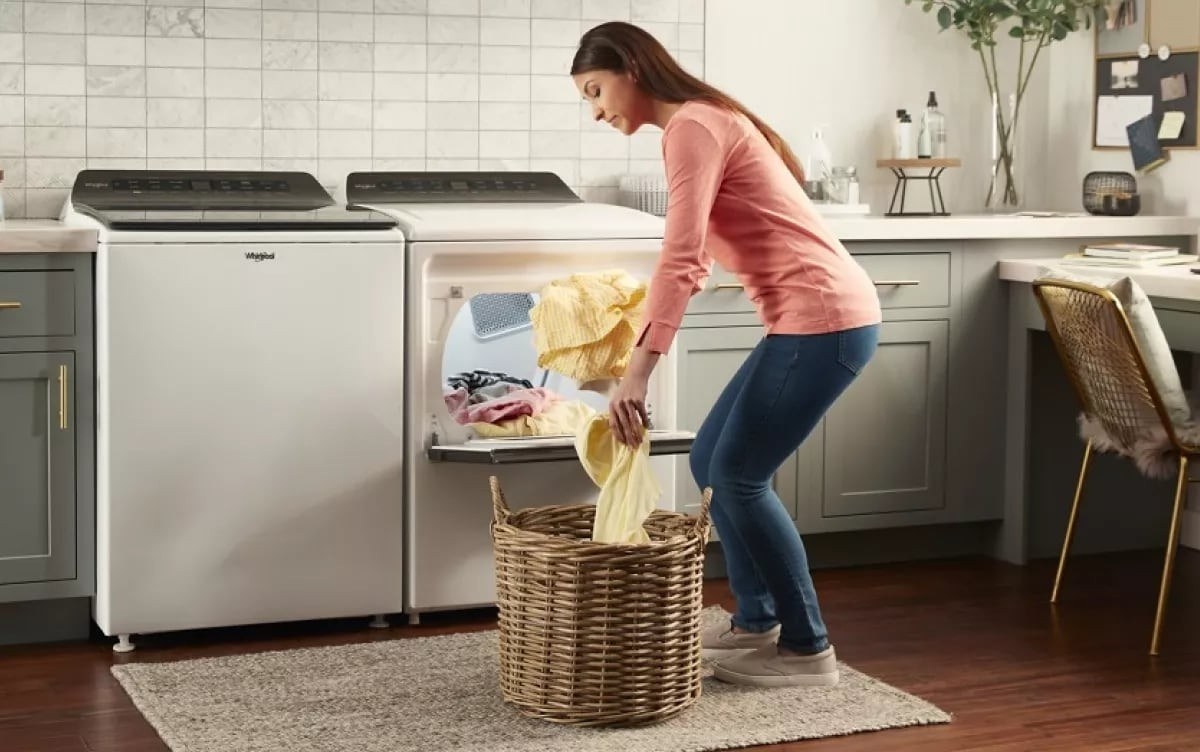
Preventing Dryer Shrinkage: Preventing Shrinkage Begins with the Label
Whirlpool identifies heat and agitation as factors that can distort or tighten some fabrics. Shrinkage prevention concerns the entire care sequence, including the dryer.
-
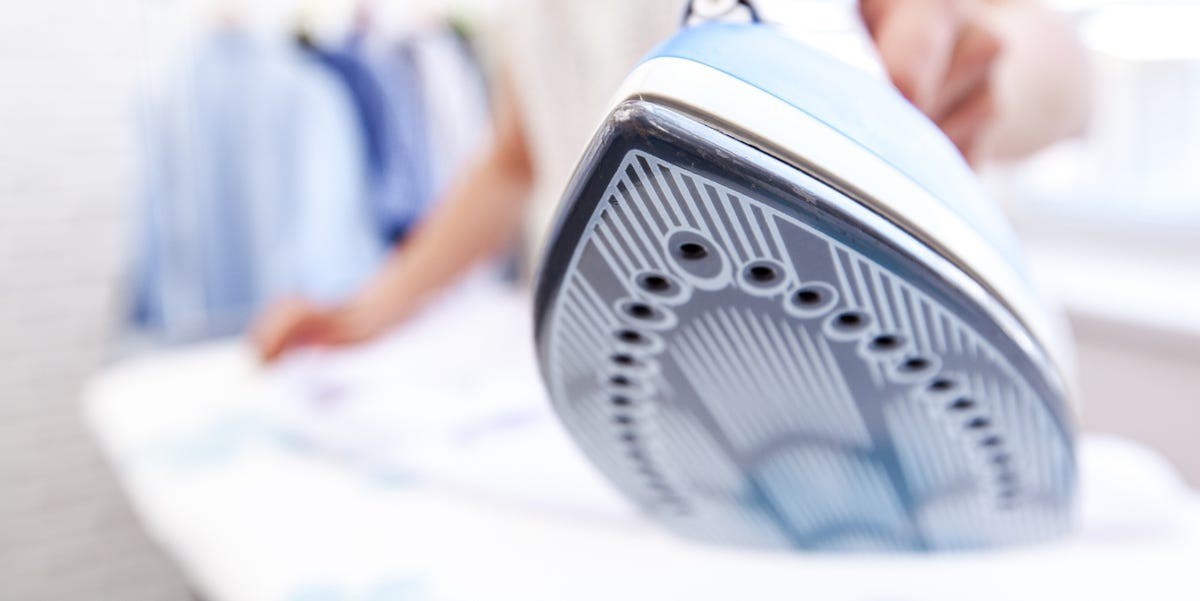
Use the Soleplate Groove to Work Around Shirt Buttons
The narrow groove near an iron's edge helps reach nearby fabric without pressing the button itself.
-

Preventing Dryer Shrinkage: Dryer Heat and Movement Can Change a Garment
Homes & Gardens discusses high temperatures and the dryer's movement as contributors to shrinkage in vulnerable fabrics. Shrinkage prevention concerns the entire care sequence, including the dryer.
-
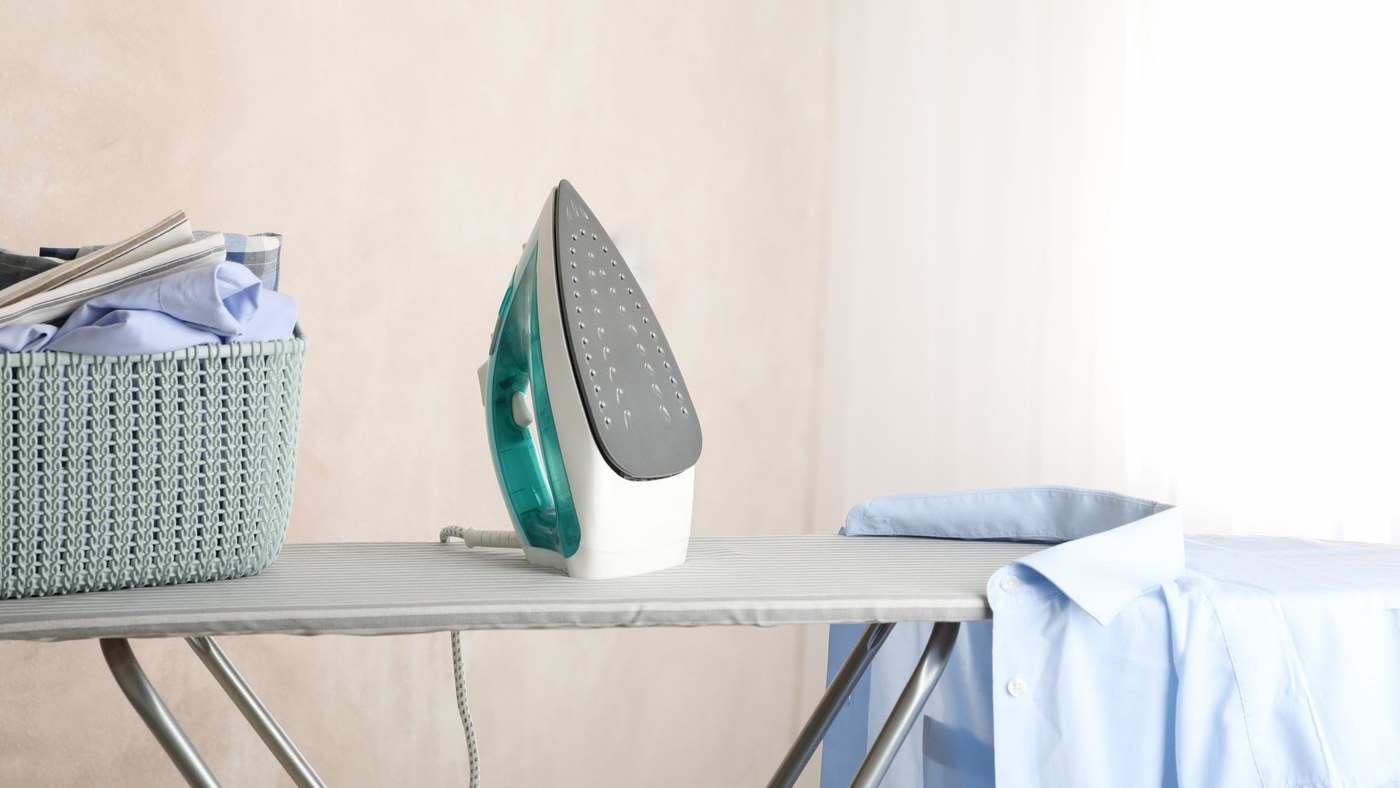
Decide Whether an Iron Fits Your Clothing Routine
An ironing setup is more useful when it reflects the garments you wear and the space available.

